Trip Updates and Travel Information Portal

GENERALArchitectureintermediate
Trip Updates and Travel Information Portal — GENERAL architecture diagram

About This Architecture

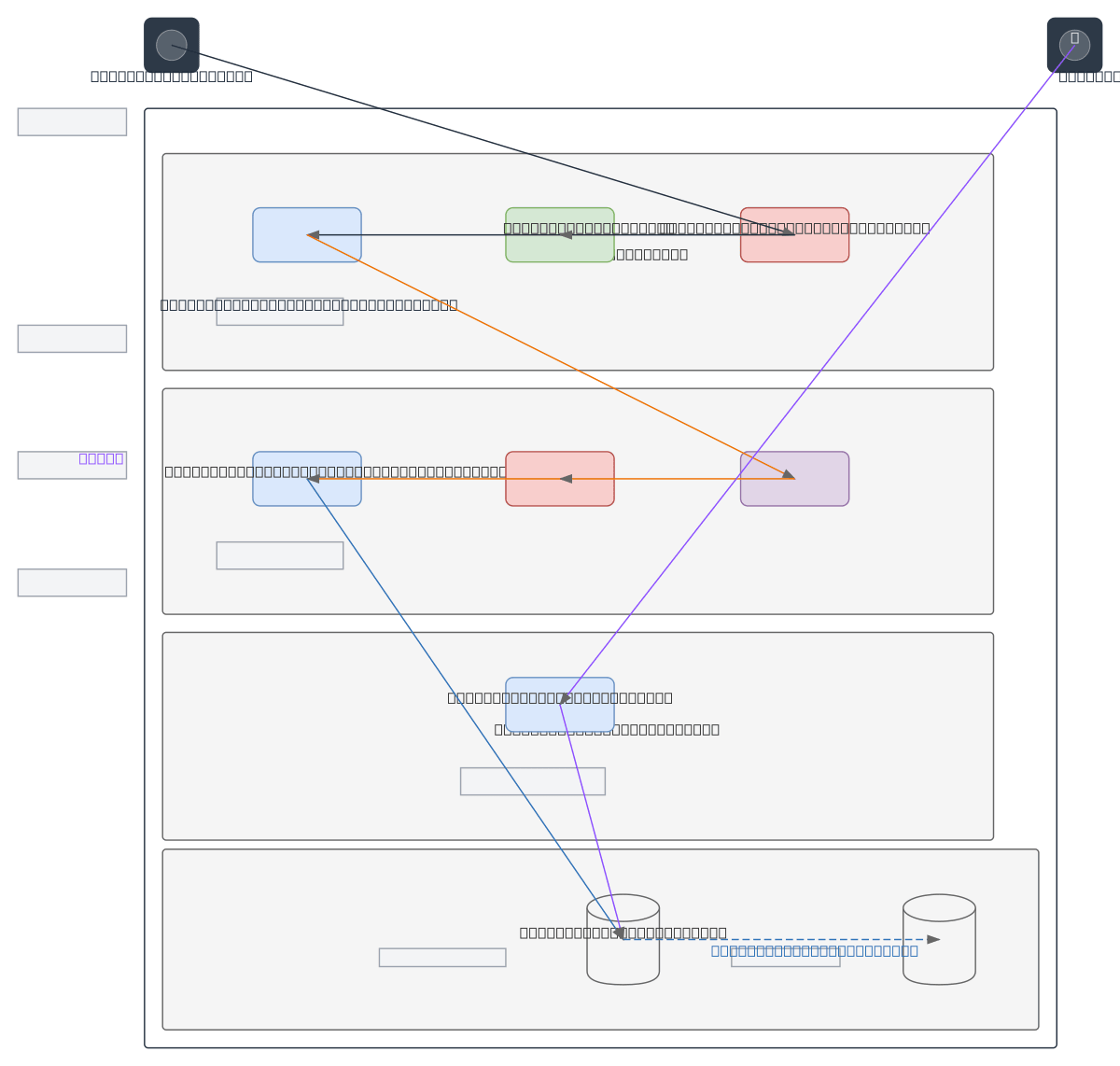
A modern three-tier travel portal combining Next.js frontend, Node.js/Express REST API, and MongoDB Atlas backend with admin content management via Payload CMS. User requests flow through WAF and CDN for static assets, then to the API Gateway, Auth Service, and REST API Server, which queries MongoDB Primary with read-replica failover. Admin users manage destinations, contacts, and travel content directly through Payload CMS, ensuring real-time data consistency across the platform. This architecture demonstrates separation of concerns, scalable authentication, and high-availability database replication for mission-critical travel information. Fork this diagram on Diagrams.so to customize for your travel tech stack, adjust failover strategies, or integrate additional services like caching layers or message queues. The WAF and CDN combination provides both security and performance optimization for global user bases.

People also ask

How do you architect a scalable travel information portal with admin content management and database failover?

This diagram shows a three-tier architecture where Next.js frontend connects through WAF and CDN to an API Gateway, which routes to Auth Service and Node.js/Express REST API. MongoDB Atlas Primary handles writes while a Read Replica provides failover, and Payload CMS enables admins to manage destinations and travel content independently.

Next.jsNode.jsMongoDBPayload CMSREST APIfull-stack architecture
Domain:
Software Architecture
Audience:
Full-stack developers and solutions architects building scalable travel information portals

Generated by Diagrams.so — AI architecture diagram generator with native Draw.io output. Fork this diagram, remix it, or download as .drawio, PNG, or SVG.

Generate your own architecture diagram →

About This Architecture

A modern three-tier travel portal combining Next.js frontend, Node.js/Express REST API, and MongoDB Atlas backend with admin content management via Payload CMS. User requests flow through WAF and CDN for static assets, then to the API Gateway, Auth Service, and REST API Server, which queries MongoDB Primary with read-replica failover. Admin users manage destinations, contacts, and travel content directly through Payload CMS, ensuring real-time data consistency across the platform. This architecture demonstrates separation of concerns, scalable authentication, and high-availability database replication for mission-critical travel information. Fork this diagram on Diagrams.so to customize for your travel tech stack, adjust failover strategies, or integrate additional services like caching layers or message queues. The WAF and CDN combination provides both security and performance optimization for global user bases.

People also ask

How do you architect a scalable travel information portal with admin content management and database failover?

This diagram shows a three-tier architecture where Next.js frontend connects through WAF and CDN to an API Gateway, which routes to Auth Service and Node.js/Express REST API. MongoDB Atlas Primary handles writes while a Read Replica provides failover, and Payload CMS enables admins to manage destinations and travel content independently.

Trip Updates and Travel Information Portal

AutointermediateNext.jsNode.jsMongoDBPayload CMSREST APIfull-stack architecture
Domain: Software ArchitectureAudience: Full-stack developers and solutions architects building scalable travel information portals
0 views0 favoritesPublic

Created by

April 21, 2026

Updated

April 21, 2026 at 10:06 PM

Type

architecture

Need a custom architecture diagram?

Describe your architecture in plain English and get a production-ready Draw.io diagram in seconds. Works for AWS, Azure, GCP, Kubernetes, and more.

Generate with AI