
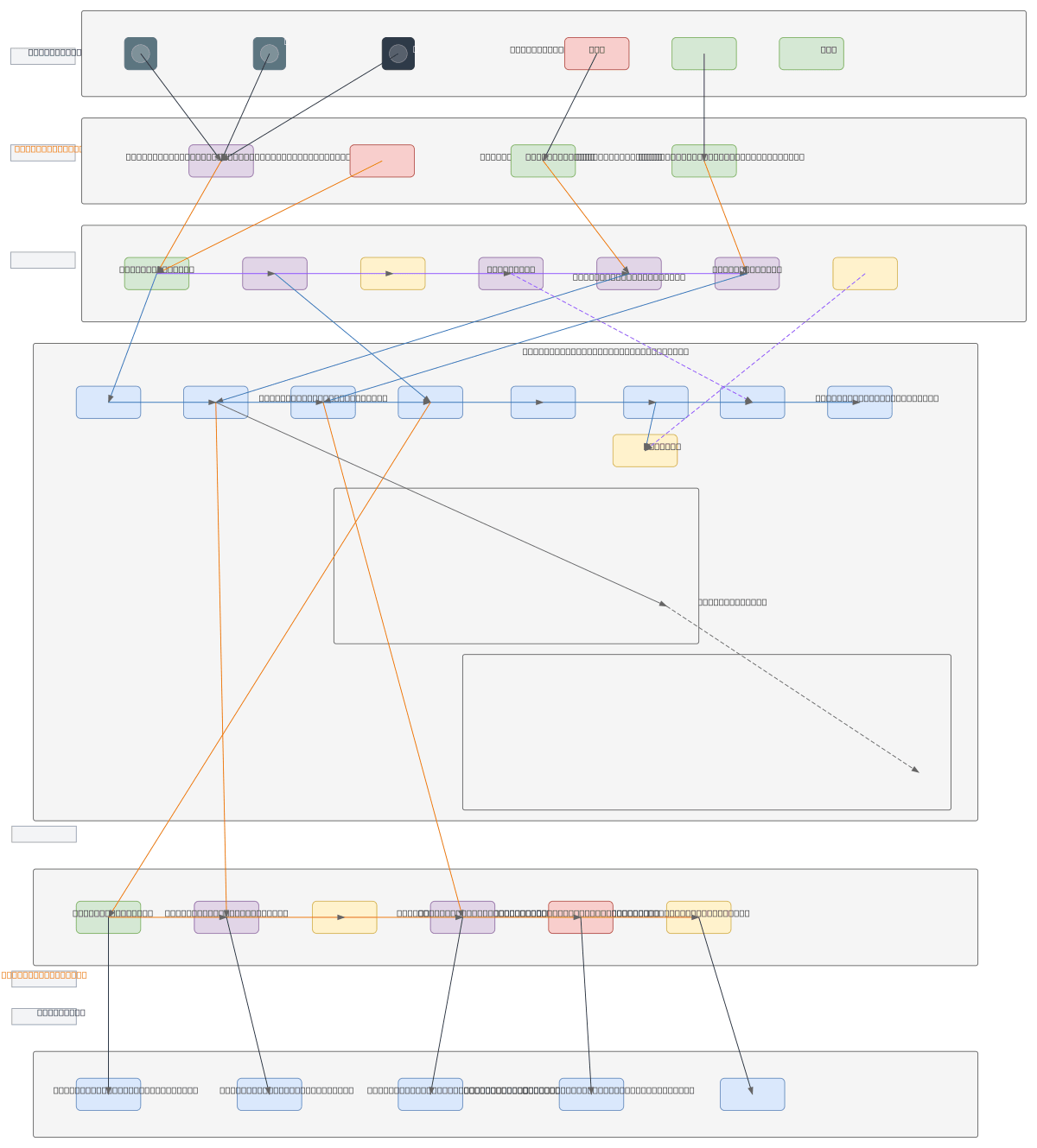
About This Architecture
Multi-tier travel platform architecture integrating web, mobile, and B2B API consumers through a unified gateway layer with OAuth2 authentication and rate limiting. Requests flow through WAF and CDN to an API Gateway, then to a Request Router and Transformation Service that orchestrate across Core Platform services including OMS, Booking, Pricing, and Billing. A Back-End Gateway abstracts supplier diversity—airlines via GDS/NDC, hotels via OTA, rail, car rental, and activities—using supplier routers, transformers, and circuit breakers to normalize content and manage failures. Event Bus and Message Queue enable asynchronous workflows, while Caching Layer and Monitoring provide performance and observability across all tiers. Fork this diagram to customize supplier integrations, add region-specific gateways, or adjust orchestration patterns for your travel booking platform.