Tools Development Lifecycle with JFrog Artifactory

AZURENetworkadvanced
Tools Development Lifecycle with JFrog Artifactory — AZURE network diagram

About This Architecture

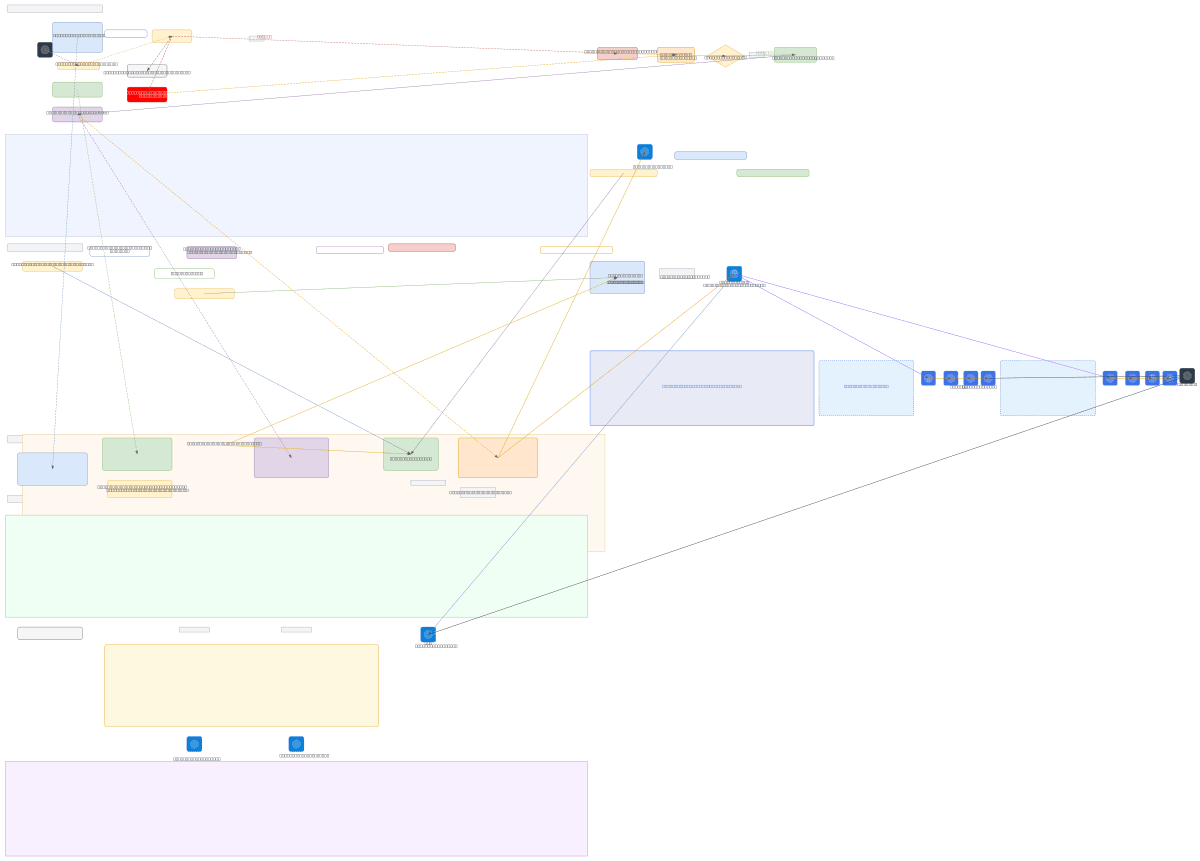
Tools Development Lifecycle with JFrog Artifactory orchestrates multi-stage CI/CD workflows across SDK, UI, and internal tool repositories on Azure. Source contributions flow through PR validation, dependency checks, and manual review gates before merging trigger automated build pipelines that compile Python wheels and npm packages, publishing artifacts to JFrog Artifactory repositories. Approved artifacts are released to Azure Blob Storage and deployed via Kubernetes namespaces (dev and prod) with DNS routing and CDN distribution for frontend assets. This architecture demonstrates enterprise-grade artifact governance, automated validation, and rollback capabilities essential for managing complex tool ecosystems at scale.

People also ask

How do I set up a multi-stage CI/CD pipeline with JFrog Artifactory for managing Python and npm artifacts on Azure?

This diagram shows a complete tools development lifecycle where source contributions trigger automated validation pipelines, manual approval gates, and conditional builds that publish Python wheels and npm packages to JFrog Artifactory repositories. Approved artifacts are then released to Azure Blob Storage and deployed to Kubernetes namespaces with DNS routing and CDN distribution, including roll

JFrog ArtifactoryAzure DevOpsKubernetesCI/CD PipelineArtifact ManagementDevOps
Domain:
Devops Cicd
Audience:
DevOps engineers managing CI/CD pipelines with artifact repositories

Generated by Diagrams.so — AI architecture diagram generator with native Draw.io output. Fork this diagram, remix it, or download as .drawio, PNG, or SVG.

Generate your own network diagram →

About This Architecture

Tools Development Lifecycle with JFrog Artifactory orchestrates multi-stage CI/CD workflows across SDK, UI, and internal tool repositories on Azure. Source contributions flow through PR validation, dependency checks, and manual review gates before merging trigger automated build pipelines that compile Python wheels and npm packages, publishing artifacts to JFrog Artifactory repositories. Approved artifacts are released to Azure Blob Storage and deployed via Kubernetes namespaces (dev and prod) with DNS routing and CDN distribution for frontend assets. This architecture demonstrates enterprise-grade artifact governance, automated validation, and rollback capabilities essential for managing complex tool ecosystems at scale.

People also ask

How do I set up a multi-stage CI/CD pipeline with JFrog Artifactory for managing Python and npm artifacts on Azure?

This diagram shows a complete tools development lifecycle where source contributions trigger automated validation pipelines, manual approval gates, and conditional builds that publish Python wheels and npm packages to JFrog Artifactory repositories. Approved artifacts are then released to Azure Blob Storage and deployed to Kubernetes namespaces with DNS routing and CDN distribution, including roll

Tools Development Lifecycle with JFrog Artifactory

AzureadvancedJFrog ArtifactoryAzure DevOpsKubernetesCI/CD PipelineArtifact ManagementDevOps
Domain: Devops CicdAudience: DevOps engineers managing CI/CD pipelines with artifact repositories
0 views0 favoritesPublic

Created by

April 20, 2026

Updated

April 20, 2026 at 3:46 PM

Type

network

Need a custom architecture diagram?

Describe your architecture in plain English and get a production-ready Draw.io diagram in seconds. Works for AWS, Azure, GCP, Kubernetes, and more.

Generate with AI