Text Tokenization and Embedding Pipeline

OCIArchitectureadvanced
Text Tokenization and Embedding Pipeline — OCI architecture diagram

About This Architecture

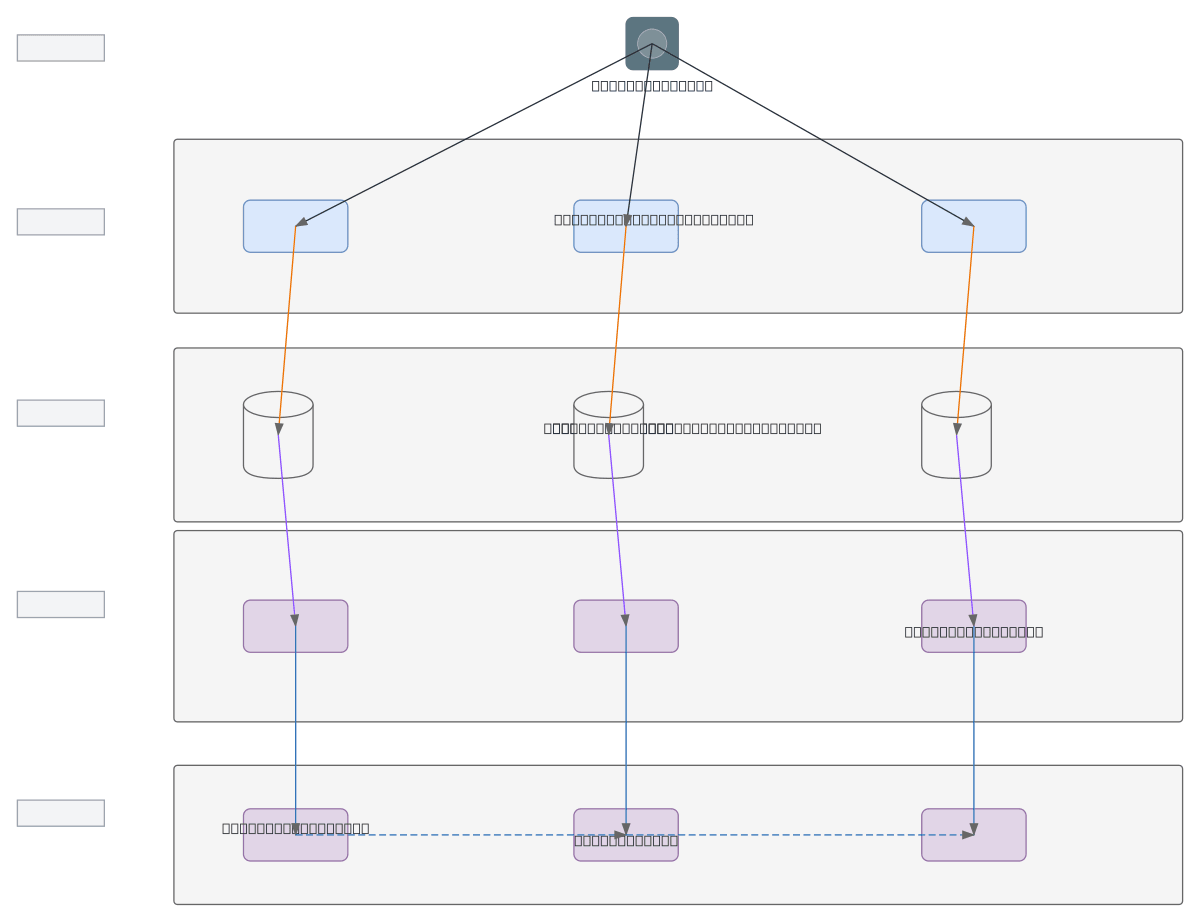
Text tokenization and embedding pipeline on OCI transforms raw text into dense vector representations using character-level, word-level, and subword tokenization strategies. Raw text flows through parallel tokenization layers—character-level, word-level, and BPE subword tokenization—each mapping to dedicated vocabularies before converging into Word2Vec embedding techniques (Skip-gram and CBOW). The pipeline produces character vectors, word vectors, and dense embedding vectors suitable for downstream NLP tasks like classification, similarity search, and language modeling. This architecture demonstrates best practices for scalable text preprocessing and embedding generation on OCI infrastructure. Fork this diagram to customize tokenization strategies, swap embedding models, or integrate with OCI Data Science and Machine Learning services.

People also ask

How do you build a scalable text tokenization and embedding pipeline on OCI for NLP applications?

This diagram shows a parallel tokenization architecture where raw text branches into character-level, word-level, and subword (BPE) tokenization, each feeding dedicated vocabularies. These converge through Word2Vec Skip-gram and CBOW techniques to produce dense embedding vectors suitable for NLP tasks on OCI infrastructure.

NLPOCItokenizationembeddingsWord2Vecmachine-learning
Domain:
Ml Pipeline
Audience:
Machine learning engineers building NLP pipelines on OCI

Generated by Diagrams.so — AI architecture diagram generator with native Draw.io output. Fork this diagram, remix it, or download as .drawio, PNG, or SVG.

Generate your own architecturediagram →

About This Architecture

Text tokenization and embedding pipeline on OCI transforms raw text into dense vector representations using character-level, word-level, and subword tokenization strategies. Raw text flows through parallel tokenization layers—character-level, word-level, and BPE subword tokenization—each mapping to dedicated vocabularies before converging into Word2Vec embedding techniques (Skip-gram and CBOW). The pipeline produces character vectors, word vectors, and dense embedding vectors suitable for downstream NLP tasks like classification, similarity search, and language modeling. This architecture demonstrates best practices for scalable text preprocessing and embedding generation on OCI infrastructure. Fork this diagram to customize tokenization strategies, swap embedding models, or integrate with OCI Data Science and Machine Learning services.

People also ask

How do you build a scalable text tokenization and embedding pipeline on OCI for NLP applications?

This diagram shows a parallel tokenization architecture where raw text branches into character-level, word-level, and subword (BPE) tokenization, each feeding dedicated vocabularies. These converge through Word2Vec Skip-gram and CBOW techniques to produce dense embedding vectors suitable for NLP tasks on OCI infrastructure.

Text Tokenization and Embedding Pipeline

OCIadvancedNLPtokenizationembeddingsWord2Vecmachine-learning
Domain: Ml PipelineAudience: Machine learning engineers building NLP pipelines on OCI
0 views0 favoritesPublic

Created by

June 1, 2026

Updated

June 1, 2026 at 12:57 PM

Type

architecture

Need a custom architecture diagram?

Describe your architecture in plain English and get a production-ready Draw.io diagram in seconds. Works for AWS, Azure, GCP, Kubernetes, and more.

Generate with AI