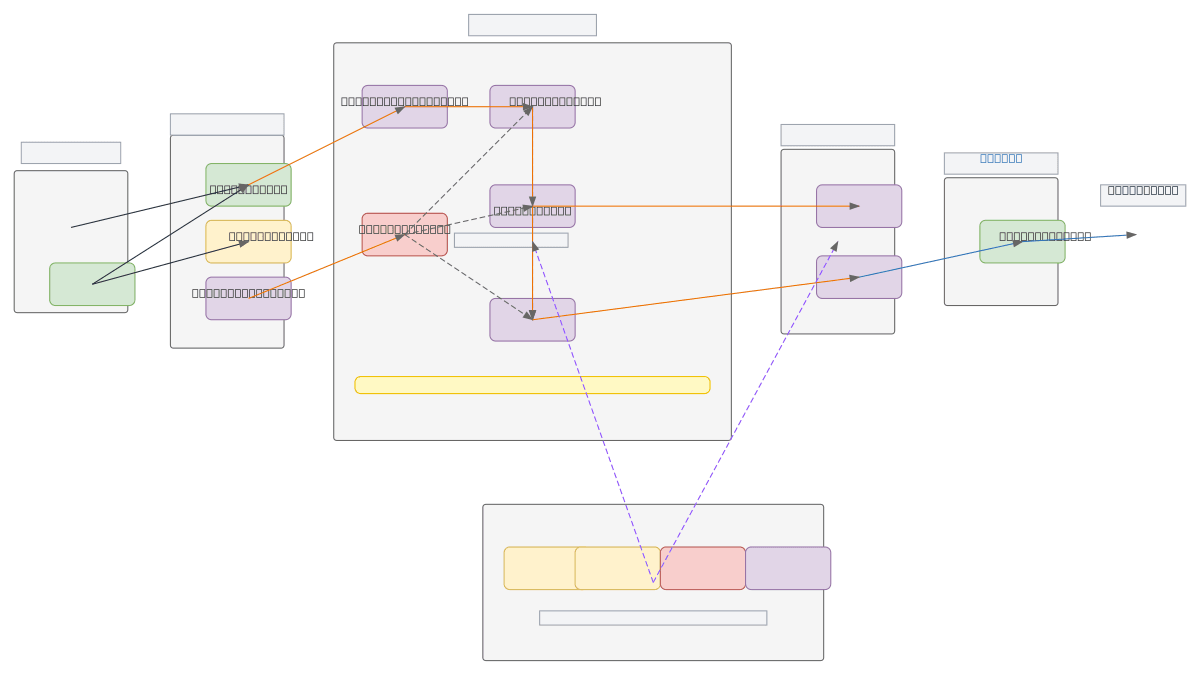
SAP Migration Data Transformation Pipeline
About This Architecture
SAP migration data transformation pipeline orchestrates end-to-end conversion of legacy ERP and CSV data into SAP-ready formats using rule-based and AI-powered processing. Source systems feed into a unified ingestion layer with file upload, preview, and replacement capabilities, then route through configurable table mapping and a rule engine that executes custom transformation rules. The processing engine applies AI and rule-based validation, multi-language support, and SAP structure compliance checks before generating SAP-ready CSV output. Comprehensive monitoring and logging capture execution logs, row-level errors, and audit trails with AI-powered insights for post-migration analysis. Fork this diagram on Diagrams.so to customize table mappings, add domain-specific rules, or integrate with your SAP implementation methodology.
People also ask
How do you design a data transformation pipeline for SAP migrations that handles legacy ERP data, applies business rules, and maintains audit compliance?
This diagram shows a complete SAP migration pipeline with separate ingestion, transformation, and execution layers. Configuration and table mapping feed a rule engine that validates data against SAP structures, while AI-powered processing adds intelligent validation and multi-language support. Monitoring and logging capture execution logs, row-level errors, and audit trails for compliance and trou
- Domain:
- Data Engineering
- Audience:
- SAP migration engineers and data transformation specialists managing legacy system consolidation
Generated by Diagrams.so — AI architecture diagram generator with native Draw.io output. Fork this diagram, remix it, or download as .drawio, PNG, or SVG.