JFrog Artifactory Architecture

GENERALSequenceintermediate
JFrog Artifactory Architecture — GENERAL sequence diagram

About This Architecture

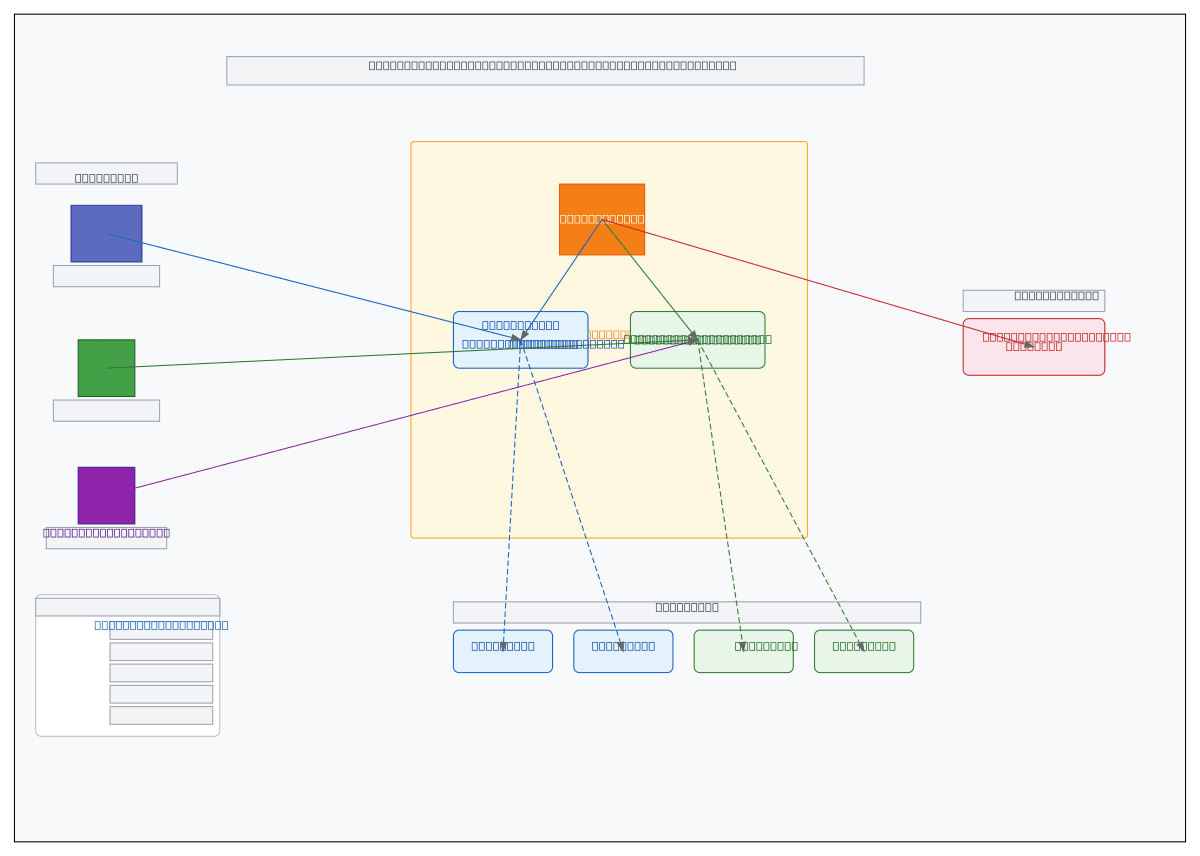
JFrog Artifactory centralizes artifact management across Docker registries, generic binaries, and package repositories in a unified platform. CI pipelines and build agents push container images to the UI Registry Repository while developer machines and build agents store binaries and packages in the Generic Repository. Both repositories feed downstream services and external distribution endpoints, enabling consistent artifact governance from build through deployment. This architecture demonstrates how to decouple artifact production from consumption, enforce security policies, and scale distribution across teams. Fork and customize this diagram on Diagrams.so to model your organization's artifact flow, repository structure, and distribution topology.

People also ask

How does JFrog Artifactory organize and distribute Docker images, binaries, and packages across CI pipelines and downstream services?

JFrog Artifactory uses a dual-repository model: the UI Registry Repository stores Docker container images from CI pipelines, while the Generic Repository holds binaries and packages from build agents and developer machines. Both repositories feed downstream services and external distribution endpoints, enabling centralized governance, version control, and secure artifact delivery across the softwa

JFrog Artifactoryartifact managementCI/CDDocker registryDevOpsartifact distribution
Domain:
Devops Cicd
Audience:
DevOps engineers and release managers implementing artifact management and distribution strategies

Generated by Diagrams.so — AI architecture diagram generator with native Draw.io output. Fork this diagram, remix it, or download as .drawio, PNG, or SVG.

Generate your own sequence diagram →

About This Architecture

JFrog Artifactory centralizes artifact management across Docker registries, generic binaries, and package repositories in a unified platform. CI pipelines and build agents push container images to the UI Registry Repository while developer machines and build agents store binaries and packages in the Generic Repository. Both repositories feed downstream services and external distribution endpoints, enabling consistent artifact governance from build through deployment. This architecture demonstrates how to decouple artifact production from consumption, enforce security policies, and scale distribution across teams. Fork and customize this diagram on Diagrams.so to model your organization's artifact flow, repository structure, and distribution topology.

People also ask

How does JFrog Artifactory organize and distribute Docker images, binaries, and packages across CI pipelines and downstream services?

JFrog Artifactory uses a dual-repository model: the UI Registry Repository stores Docker container images from CI pipelines, while the Generic Repository holds binaries and packages from build agents and developer machines. Both repositories feed downstream services and external distribution endpoints, enabling centralized governance, version control, and secure artifact delivery across the softwa

JFrog Artifactory Architecture

AutointermediateJFrog Artifactoryartifact managementCI/CDDocker registryDevOpsartifact distribution
Domain: Devops CicdAudience: DevOps engineers and release managers implementing artifact management and distribution strategies
0 views0 favoritesPublic

Created by

April 20, 2026

Updated

April 20, 2026 at 2:10 PM

Type

sequence

Need a custom architecture diagram?

Describe your architecture in plain English and get a production-ready Draw.io diagram in seconds. Works for AWS, Azure, GCP, Kubernetes, and more.

Generate with AI