IPWAN Multi-Site Network with Hub Redundancy

GENERALNetworkadvanced
IPWAN Multi-Site Network with Hub Redundancy — GENERAL network diagram

About This Architecture

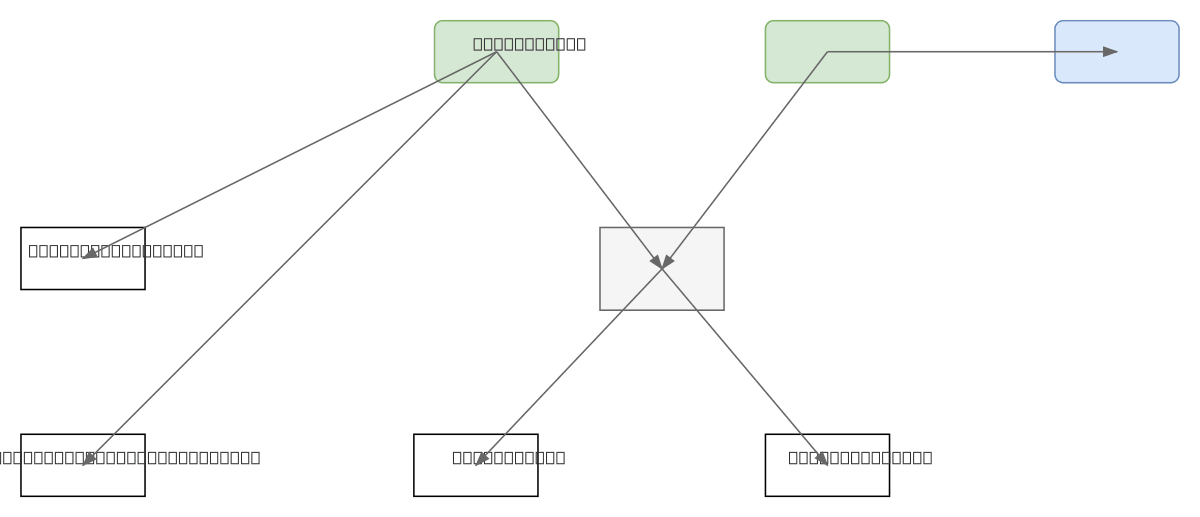
Multi-site IPWAN network with dual hub redundancy, connecting metro, regional, and remote sites through MPLS primary paths and internet VPN fallback. Hub 1 and Hub 2 core routers with firewalls provide active-passive redundancy across the WAN backbone, while metro sites connect via dark fibre E-lines and regional sites use MPLS or internet uplinks. Remote and APY sites leverage 4G secure APN gateways with internet VPN backup for branch connectivity. This architecture demonstrates enterprise-grade WAN resilience, traffic engineering, and multi-tier site classification for organizations requiring high availability across geographically dispersed locations. Fork this diagram on Diagrams.so to customize hub failover policies, add site-specific QoS rules, or adapt the topology for your regional network design. The active-passive hub redundancy pattern minimizes failover complexity while the layered distribution approach scales efficiently from core to remote access points.

People also ask

How do you design a multi-site enterprise WAN with hub redundancy and multiple connectivity options for metro, regional, and remote locations?

This diagram shows a three-tier IPWAN architecture with dual hub core routers providing active-passive redundancy, metro sites connecting via dark fibre E-lines, regional sites using MPLS or internet uplinks, and remote/APY sites leveraging 4G secure APN gateways with internet VPN backup. The layered design ensures traffic engineering efficiency, failover resilience, and cost-optimized connectivit

IPWANWAN architecturehub redundancyMPLSenterprise networkingmulti-site connectivity
Domain:
Networking
Audience:
Network architects designing multi-site enterprise WAN topologies with hub redundancy

Generated by Diagrams.so — AI architecture diagram generator with native Draw.io output. Fork this diagram, remix it, or download as .drawio, PNG, or SVG.

Generate your own network diagram →

About This Architecture

Multi-site IPWAN network with dual hub redundancy, connecting metro, regional, and remote sites through MPLS primary paths and internet VPN fallback. Hub 1 and Hub 2 core routers with firewalls provide active-passive redundancy across the WAN backbone, while metro sites connect via dark fibre E-lines and regional sites use MPLS or internet uplinks. Remote and APY sites leverage 4G secure APN gateways with internet VPN backup for branch connectivity. This architecture demonstrates enterprise-grade WAN resilience, traffic engineering, and multi-tier site classification for organizations requiring high availability across geographically dispersed locations. Fork this diagram on Diagrams.so to customize hub failover policies, add site-specific QoS rules, or adapt the topology for your regional network design. The active-passive hub redundancy pattern minimizes failover complexity while the layered distribution approach scales efficiently from core to remote access points.

People also ask

How do you design a multi-site enterprise WAN with hub redundancy and multiple connectivity options for metro, regional, and remote locations?

This diagram shows a three-tier IPWAN architecture with dual hub core routers providing active-passive redundancy, metro sites connecting via dark fibre E-lines, regional sites using MPLS or internet uplinks, and remote/APY sites leveraging 4G secure APN gateways with internet VPN backup. The layered design ensures traffic engineering efficiency, failover resilience, and cost-optimized connectivit

IPWAN Multi-Site Network with Hub Redundancy

AutoadvancedIPWANWAN architecturehub redundancyMPLSenterprise networkingmulti-site connectivity
Domain: NetworkingAudience: Network architects designing multi-site enterprise WAN topologies with hub redundancy
0 views0 favoritesPublic

Created by

April 28, 2026

Updated

April 28, 2026 at 1:49 AM

Type

network

Need a custom architecture diagram?

Describe your architecture in plain English and get a production-ready Draw.io diagram in seconds. Works for AWS, Azure, GCP, Kubernetes, and more.

Generate with AI