
About This Architecture
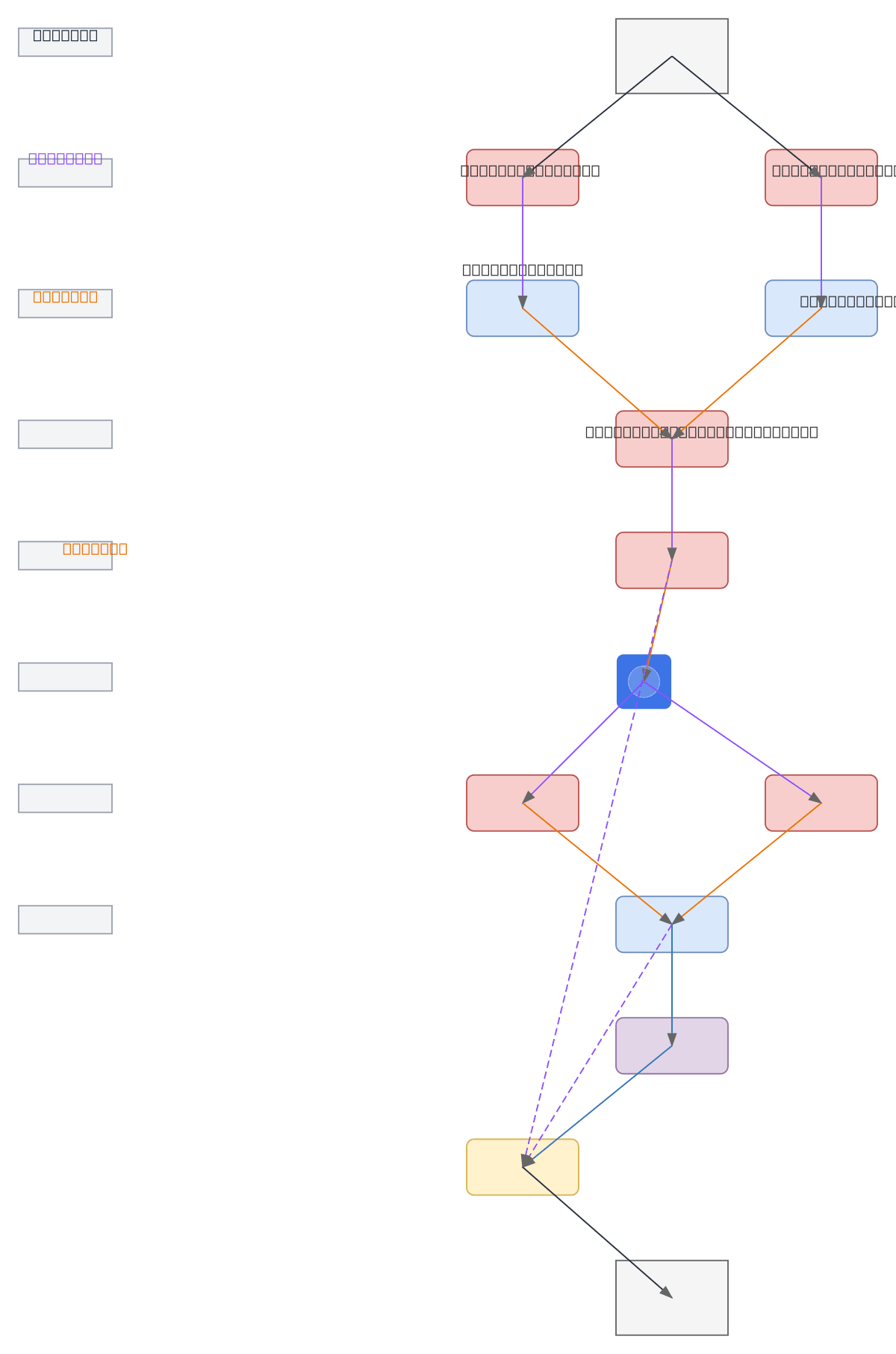
HTTP middleware pipeline architecture orchestrates incoming requests through layered security, parsing, and authentication gates before reaching application logic. Incoming HTTP requests flow through CORS and Helmet middleware for cross-origin and header security, then Cookie Parser and Body Parser extract request data, followed by NoSQL Injection Sanitizer and Rate Limiter for protection and throttling. Router matches routes and branches to dual Auth Middleware stages—Token Check and Role Check—before requests reach Controller business logic, which delegates to Service Layer for database operations. Error Handling Middleware captures exceptions at multiple points and returns standardized HTTP responses, ensuring defense-in-depth and observability. This pattern is essential for Kubernetes-native applications requiring zero-trust request validation and compliance with OWASP best practices. Fork and customize this diagram on Diagrams.so to match your middleware stack, add custom validators, or integrate with service mesh sidecars.