
About This Architecture
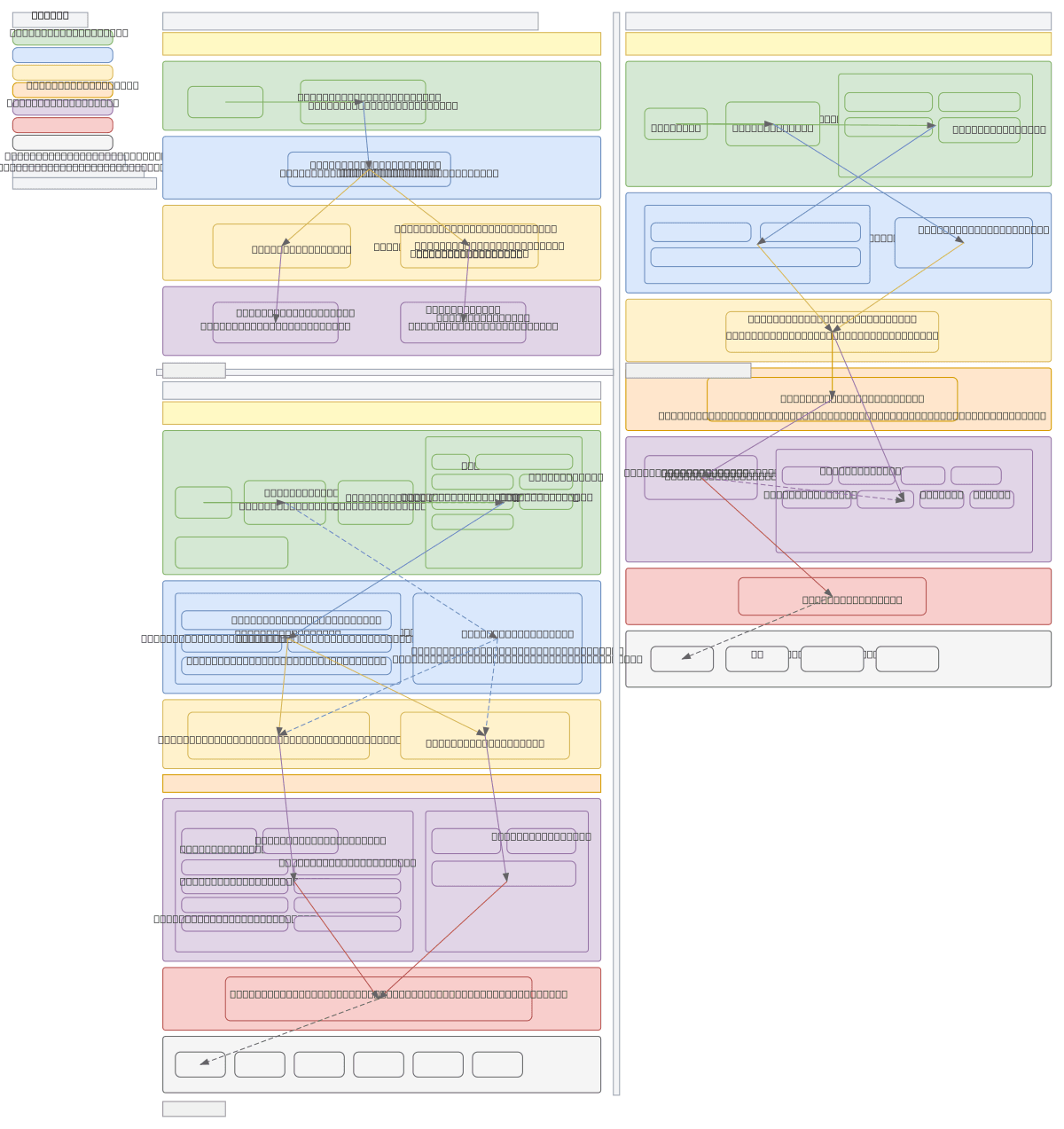
HP Store's three-phase global architecture modernizes a legacy Adobe Commerce platform into a headless, AI-ready microservices ecosystem on AWS. Phase 0 exposes checkout APIs via Adobe Commerce and HCL Commerce; Phase 1–2 migrate custom modules to Adobe App Builder with a Node.js BFF, MuleSoft orchestration, and SuperGraph API Mesh; the end state achieves full ACCS/ACO migration with AEM, Next.js frontend, and agent-ready AI layers. Data flows through synchronous GraphQL/REST APIs and asynchronous event webhooks, with security enforcement at the gateway and internal systems integration via MuleSoft middleware. This architecture demonstrates progressive modernization while maintaining backward compatibility and enabling AI-driven shopping experiences. Fork and customize this diagram on Diagrams.so to model your own phased cloud migration strategy.