
About This Architecture
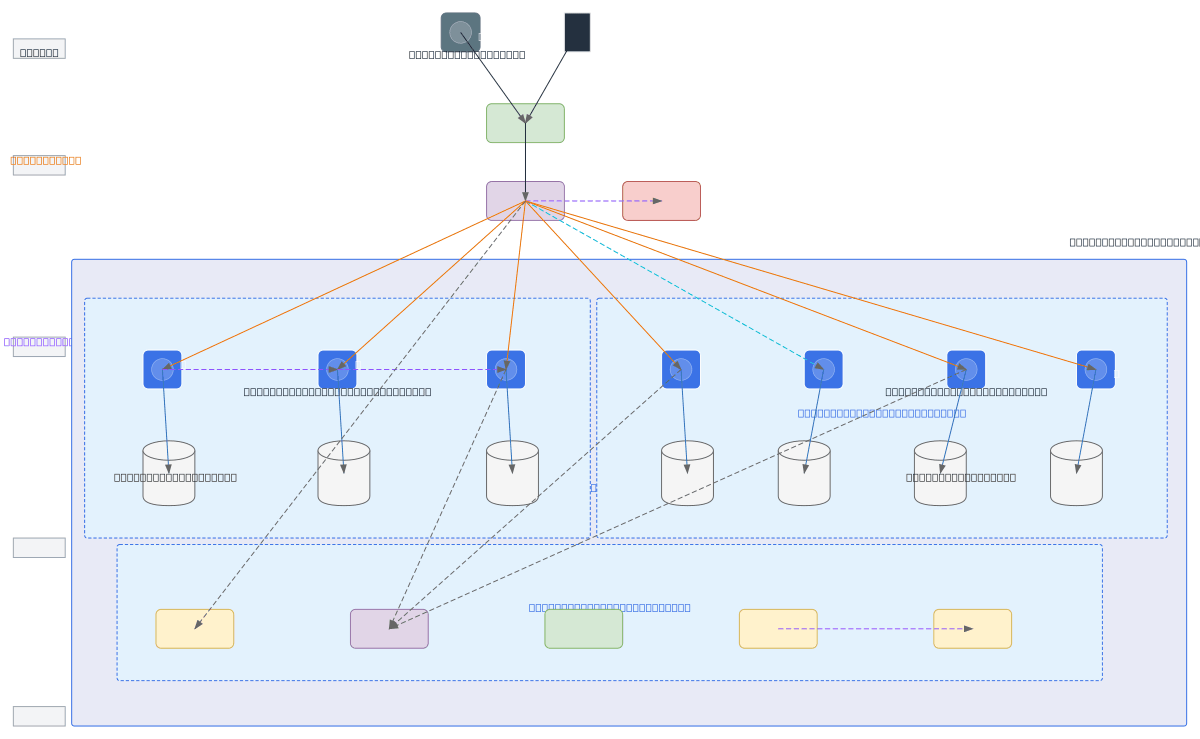
Multi-cloud healthcare microservices architecture orchestrating Spring Boot and Node.js services across three Kubernetes namespaces with polyglot persistence. Web and mobile clients route through a load balancer and API Gateway providing JWT authentication, rate limiting, and request validation before reaching Doctor, Patient, and Appointment services backed by PostgreSQL, alongside Notification, Telemedicine, Payment, and AI Symptom services using MongoDB. Kafka message broker enables asynchronous communication between services, Redis Cache accelerates API responses, and Prometheus with Grafana provide observability across the entire cluster. This architecture demonstrates production-grade healthcare system design balancing service isolation, data consistency, real-time capabilities, and operational visibility. Fork and customize this diagram on Diagrams.so to adapt namespaces, add additional microservices, or integrate cloud-specific managed services like AWS RDS or Azure Cosmos DB.