
About This Architecture
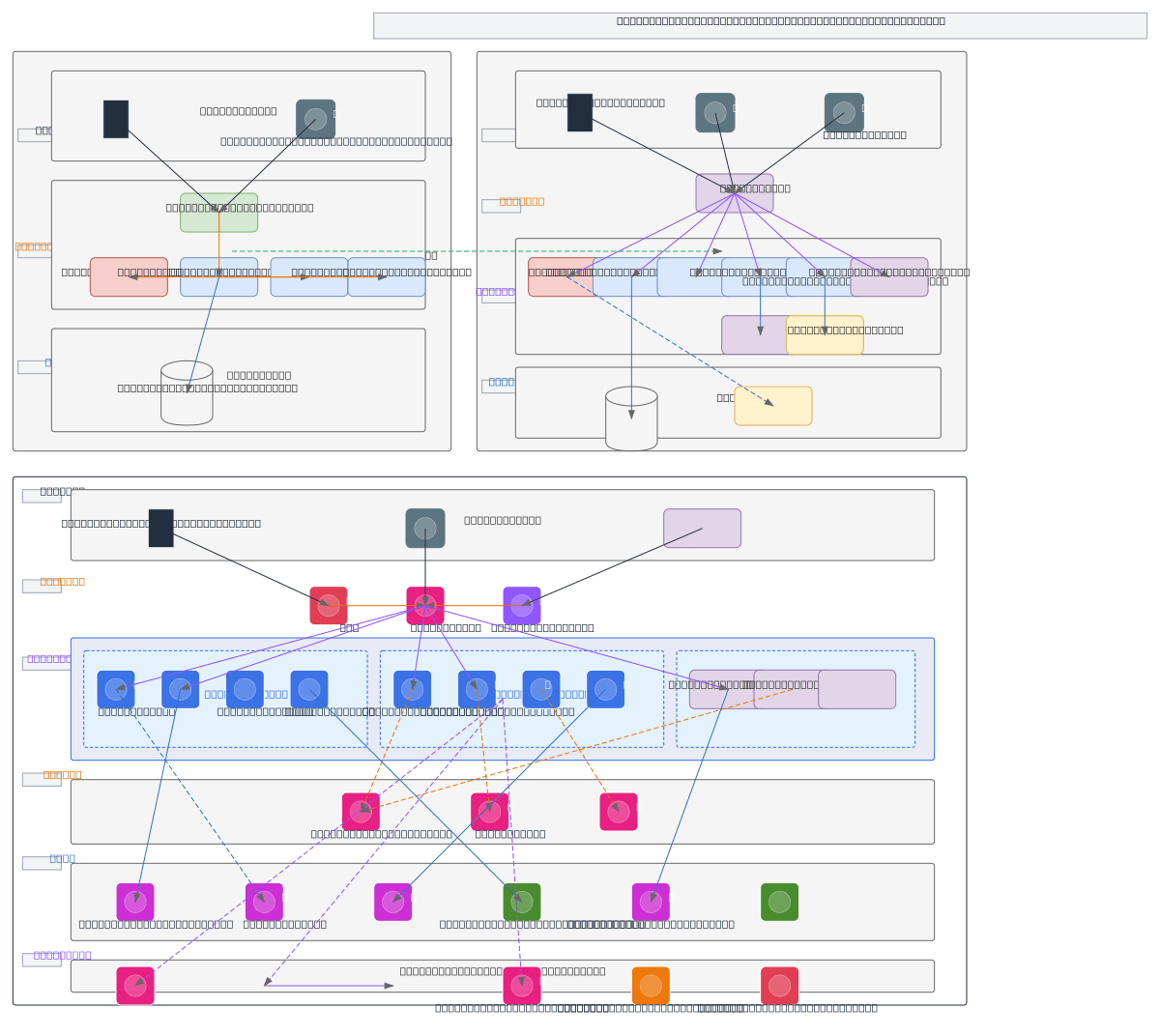
FitIt SaaS Platform architecture evolution spans three maturity levels: MVP monolith with Flutter mobile and React admin on Spring Boot, near-term modular services adding AI recommendations and M-Pesa payments, and future Kubernetes-native microservices on EKS with Kafka event streaming and multi-tenant data isolation. Data flows from clients through API Gateway and Traefik reverse proxy into service layers, with PostgreSQL, Redis, DynamoDB, and S3 handling persistence across MVP, modular, and distributed phases. This progression demonstrates how fitness SaaS platforms scale from single-instance databases and Docker containers to event-driven architectures with CloudWatch, Prometheus, and X-Ray observability. Fork and customize each level to match your roadmap, or download as .drawio to embed in architecture reviews and stakeholder presentations. The three-tier evolution pattern applies to any B2B SaaS transitioning from rapid MVP delivery to enterprise-grade multi-tenant operations.