Enterprise Network Topology - Three-Tier

OCIFlowchartadvanced
Enterprise Network Topology - Three-Tier — OCI flowchart diagram

About This Architecture

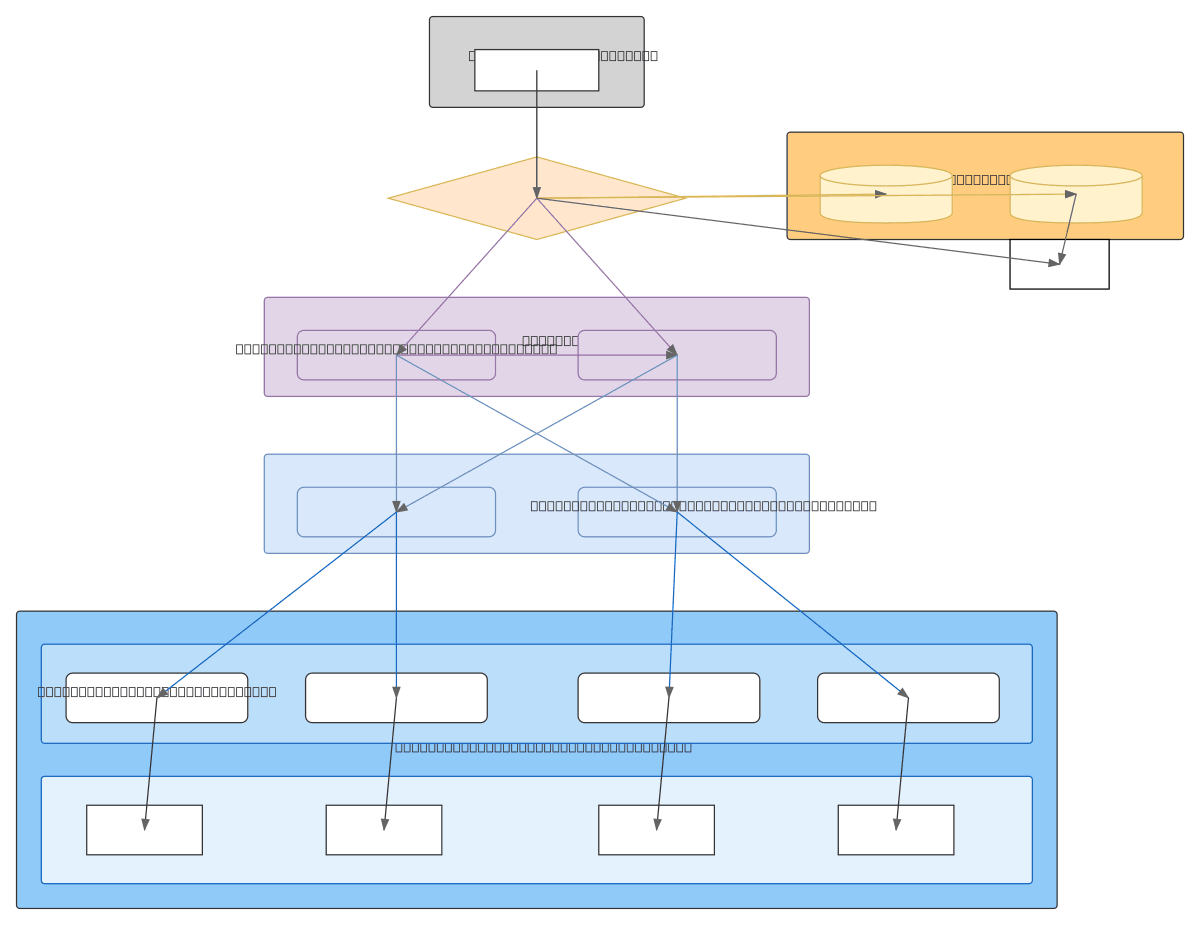
Enterprise three-tier network topology with dual H3C core switches, redundant aggregation layer, and segmented access layer across DMZ and internal office zones. Internet traffic flows through a Palo Alto firewall border security gateway protecting web servers on VLAN 20 and database servers on VLAN 30, while internal office PCs and wireless APs connect via L2 access switches across VLANs 100-130. The architecture implements core-aggregation-access design with redundant paths between H3C S6520 core switches and dual H3C L3 aggregation switches, ensuring no single point of failure. This topology demonstrates enterprise-grade network segmentation, DMZ isolation, and scalable VLAN management for organizations requiring strict security boundaries and high availability. Fork this diagram on Diagrams.so to customize VLAN assignments, add additional access switches, or integrate with OCI networking services.

People also ask

How do I design a three-tier enterprise network with firewall protection, VLAN segmentation, and redundant core switches?

This diagram shows a three-tier architecture using dual H3C S6520 core switches for redundancy, a Palo Alto firewall for DMZ border security protecting web and database servers, and H3C L3 aggregation switches distributing traffic across four L2 access switches serving office PCs and wireless APs on separate VLANs (100-130). The design isolates untrusted internet traffic, secures internal office n

network-architecturethree-tier-topologyVLAN-segmentationH3C-switchesPalo-Alto-firewallenterprise-networking
Domain:
Networking
Audience:
Network architects designing enterprise three-tier campus networks with high availability and VLAN segmentation

Generated by Diagrams.so — AI architecture diagram generator with native Draw.io output. Fork this diagram, remix it, or download as .drawio, PNG, or SVG.

Generate your own flowchartdiagram →

About This Architecture

Enterprise three-tier network topology with dual H3C core switches, redundant aggregation layer, and segmented access layer across DMZ and internal office zones. Internet traffic flows through a Palo Alto firewall border security gateway protecting web servers on VLAN 20 and database servers on VLAN 30, while internal office PCs and wireless APs connect via L2 access switches across VLANs 100-130. The architecture implements core-aggregation-access design with redundant paths between H3C S6520 core switches and dual H3C L3 aggregation switches, ensuring no single point of failure. This topology demonstrates enterprise-grade network segmentation, DMZ isolation, and scalable VLAN management for organizations requiring strict security boundaries and high availability. Fork this diagram on Diagrams.so to customize VLAN assignments, add additional access switches, or integrate with OCI networking services.

People also ask

How do I design a three-tier enterprise network with firewall protection, VLAN segmentation, and redundant core switches?

This diagram shows a three-tier architecture using dual H3C S6520 core switches for redundancy, a Palo Alto firewall for DMZ border security protecting web and database servers, and H3C L3 aggregation switches distributing traffic across four L2 access switches serving office PCs and wireless APs on separate VLANs (100-130). The design isolates untrusted internet traffic, secures internal office n

Enterprise Network Topology - Three-Tier

OCIadvancednetwork-architecturethree-tier-topologyVLAN-segmentationH3C-switchesPalo-Alto-firewallenterprise-networking
Domain: NetworkingAudience: Network architects designing enterprise three-tier campus networks with high availability and VLAN segmentation
0 views0 favoritesPublic

Created by

June 10, 2026

Updated

June 10, 2026 at 2:07 AM

Type

flowchart

Need a custom architecture diagram?

Describe your architecture in plain English and get a production-ready Draw.io diagram in seconds. Works for AWS, Azure, GCP, Kubernetes, and more.

Generate with AI