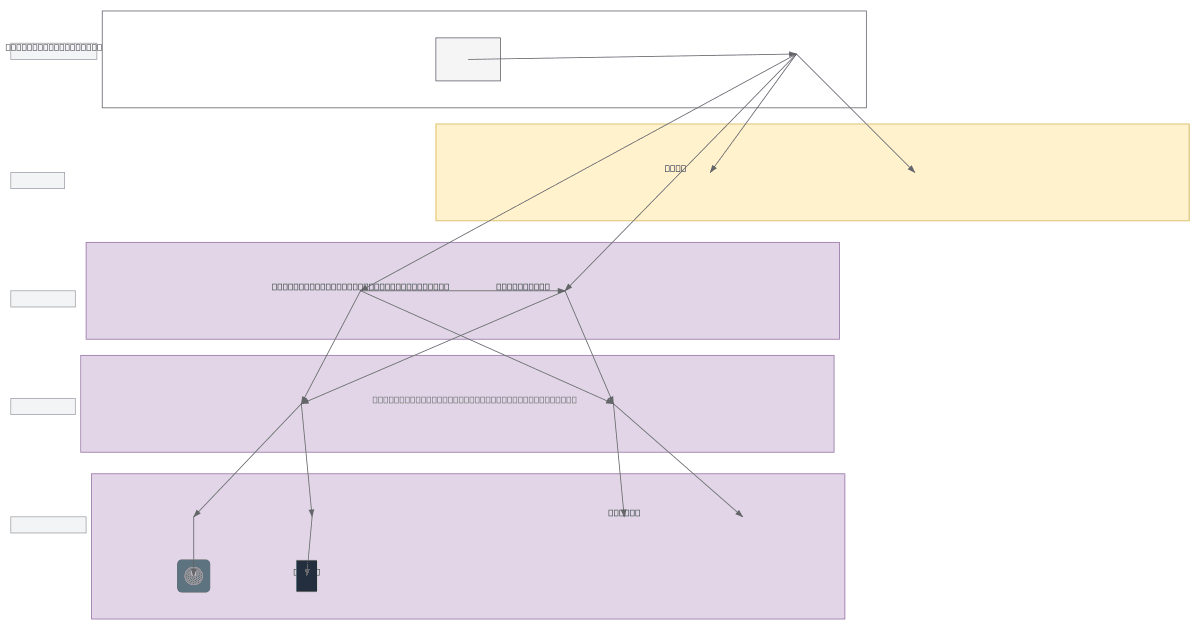
Enterprise Campus Network - Three-Tier Hierarchy

OCIArchitectureadvanced
Enterprise Campus Network - Three-Tier Hierarchy — OCI architecture diagram

About This Architecture

Enterprise campus network using three-tier hierarchy with Palo Alto firewalls segmenting untrust, DMZ, and trust zones across H3C core switches in IRF stack and L3 aggregation layer with VRRP redundancy. Traffic flows from ISP through the firewall to web servers in VLAN 20, database servers in VLAN 21, and core infrastructure, with L2 access switches distributing to office PCs and wireless APs. This architecture delivers high availability through IRF master-slave core pairing and VRRP-based aggregation failover, eliminating single points of failure. Fork this diagram on Diagrams.so to customize VLANs, add additional access switches, or integrate OCI hybrid networking components. The design supports enterprise security policies by enforcing zone-based firewall rules while maintaining sub-millisecond convergence times via IRF and VRRP protocols.

People also ask

How do I design a resilient three-tier enterprise campus network with firewall segmentation and switch redundancy?

This diagram shows a three-tier hierarchy using Palo Alto firewalls to segment untrust, DMZ, and trust zones, H3C S6520 core switches in IRF master-slave configuration for redundancy, and L3 aggregation switches with VRRP for failover. L2 access switches connect endpoints like office PCs and wireless APs, ensuring no single point of failure across the network.

enterprise-networkingthree-tier-architecturefirewall-segmentationnetwork-redundancyH3C-switchesPalo-Alto
Domain:
Networking
Audience:
Enterprise network architects designing resilient campus networks with multi-tier switching and firewall segmentation

Generated by Diagrams.so — AI architecture diagram generator with native Draw.io output. Fork this diagram, remix it, or download as .drawio, PNG, or SVG.

Generate your own architecturediagram →

About This Architecture

Enterprise campus network using three-tier hierarchy with Palo Alto firewalls segmenting untrust, DMZ, and trust zones across H3C core switches in IRF stack and L3 aggregation layer with VRRP redundancy. Traffic flows from ISP through the firewall to web servers in VLAN 20, database servers in VLAN 21, and core infrastructure, with L2 access switches distributing to office PCs and wireless APs. This architecture delivers high availability through IRF master-slave core pairing and VRRP-based aggregation failover, eliminating single points of failure. Fork this diagram on Diagrams.so to customize VLANs, add additional access switches, or integrate OCI hybrid networking components. The design supports enterprise security policies by enforcing zone-based firewall rules while maintaining sub-millisecond convergence times via IRF and VRRP protocols.

People also ask

How do I design a resilient three-tier enterprise campus network with firewall segmentation and switch redundancy?

This diagram shows a three-tier hierarchy using Palo Alto firewalls to segment untrust, DMZ, and trust zones, H3C S6520 core switches in IRF master-slave configuration for redundancy, and L3 aggregation switches with VRRP for failover. L2 access switches connect endpoints like office PCs and wireless APs, ensuring no single point of failure across the network.

Enterprise Campus Network - Three-Tier Hierarchy

OCIadvancedenterprise-networkingthree-tier-architecturefirewall-segmentationnetwork-redundancyH3C-switchesPalo-Alto
Domain: NetworkingAudience: Enterprise network architects designing resilient campus networks with multi-tier switching and firewall segmentation
0 views0 favoritesPublic

Created by

June 10, 2026

Updated

June 10, 2026 at 2:44 AM

Type

architecture

Need a custom architecture diagram?

Describe your architecture in plain English and get a production-ready Draw.io diagram in seconds. Works for AWS, Azure, GCP, Kubernetes, and more.

Generate with AI