
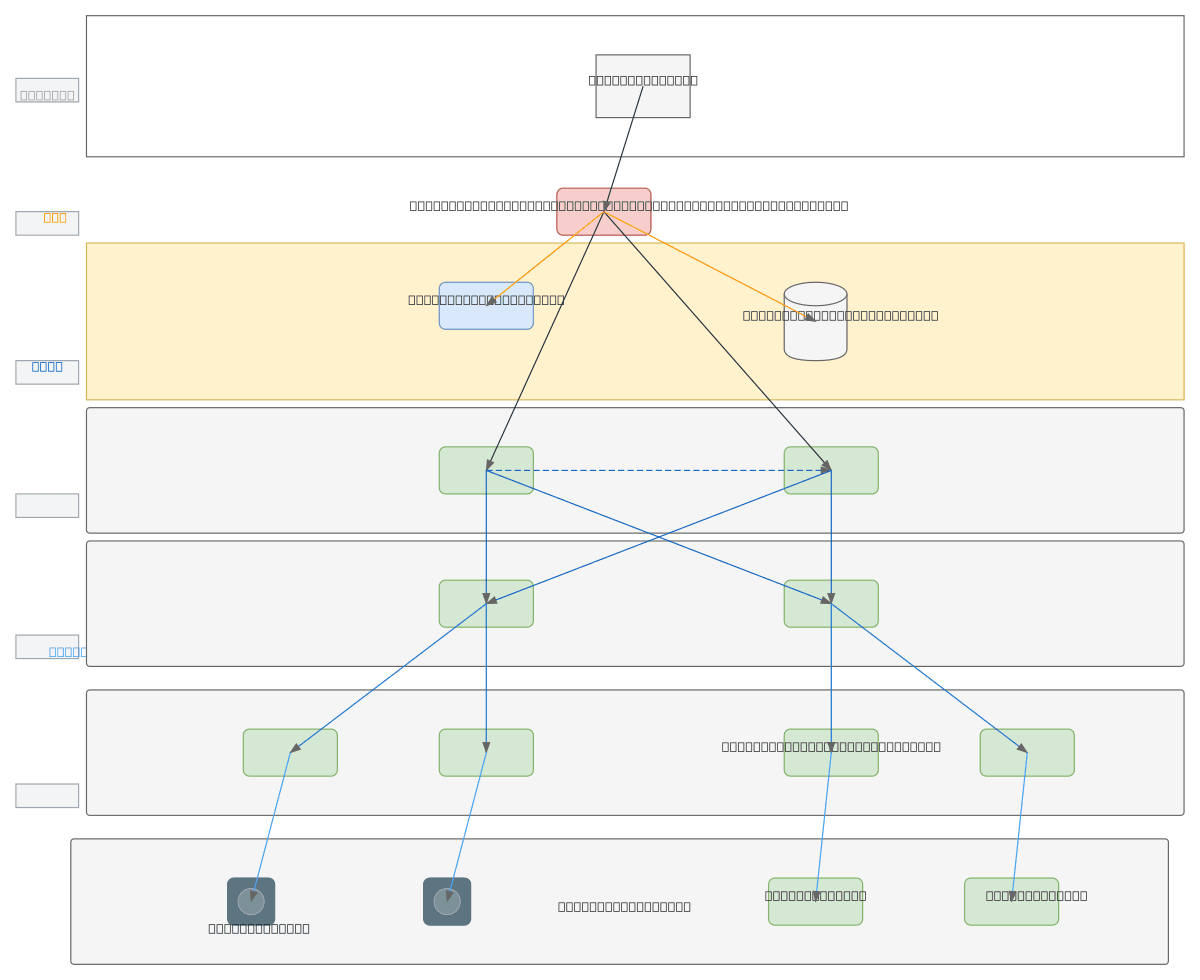
About This Architecture
Enterprise campus network using a 5-tier hierarchical architecture with Palo Alto NGFW boundary protection, H3C S6520 core switches, L3 aggregation switches handling VLANs 10/20/30, and L2 access switches connecting endpoints across multiple trust zones. Traffic flows from ISP through the Palo Alto NGFW for zone segmentation, then distributes across redundant core switches to aggregation and access layers, isolating DMZ servers (VLAN 20/30) from user endpoints (VLAN 10/40) via VLAN-based segmentation. This architecture demonstrates enterprise-grade network resilience, security isolation, and scalability for large campus deployments. Fork and customize this diagram on Diagrams.so to adapt VLAN assignments, add additional access layers, or integrate OCI networking services. The dual-core switch design with cross-links ensures high availability and load balancing across the entire campus infrastructure.