Design A Cloud Architecture Diagram For A

AWSMicroservicesadvanced
Design A Cloud Architecture Diagram For A — AWS microservices diagram

About This Architecture

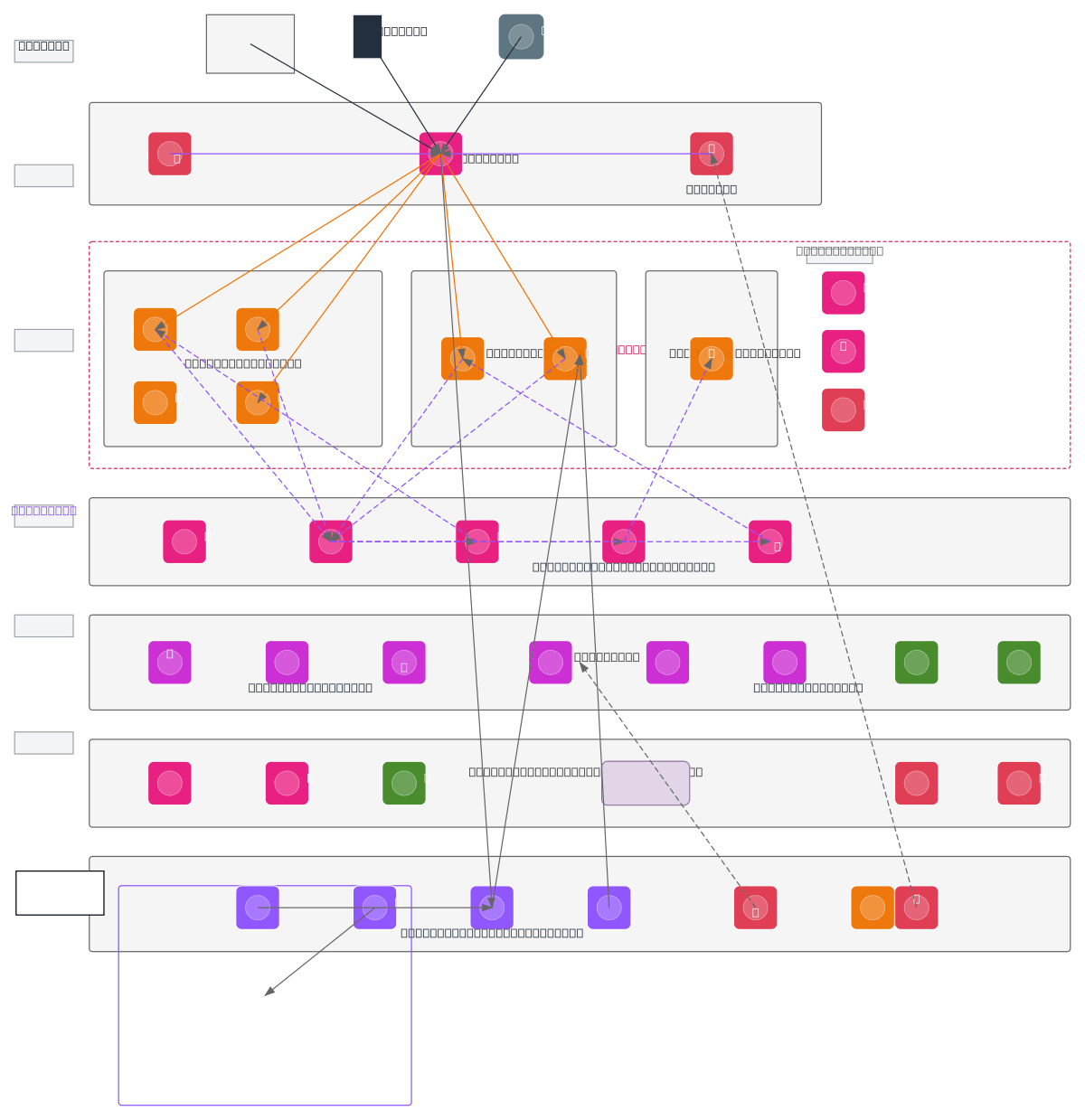
Event-driven microservices architecture on AWS ECS with domain-driven contexts: Commerce, Supply, and Engagement, each owning dedicated services for Orders, Payments, Inventory, Logistics, Notifications, and Users. API Gateway fronts three client types (Web, Mobile, POS) with Cognito and IAM authentication, routing requests to containerized microservices that emit events via EventBridge to SQS queues for asynchronous processing. Aurora databases handle transactional workloads (Orders, Users, Payments) while DynamoDB powers analytics and inventory, with S3 and AWS Backup providing durable backup storage. CloudWatch, X-Ray, CloudTrail, and Secrets Manager provide observability, tracing, audit logging, and secrets management across the platform, while AWS WAF and Shield protect the entry layer from threats. Fork this diagram to customize service boundaries, add additional contexts, adjust queue configurations, or integrate third-party payment gateways like Stripe, PayPal, Apple Pay, or Google Pay.

People also ask

How do I design a scalable event-driven microservices architecture on AWS with multiple domains and asynchronous processing?

This diagram shows a production-ready AWS microservices pattern using ECS for compute, EventBridge and SQS for asynchronous event processing across Commerce, Supply, and Engagement domains, Aurora for transactional data, and DynamoDB for analytics and inventory. API Gateway with Cognito and IAM provides secure multi-client access, while CloudWatch, X-Ray, and CloudTrail deliver observability and c

AWSmicroservicesevent-drivenECSdomain-driven-designobservability
Domain:
Cloud Aws
Audience:
AWS solutions architects designing event-driven microservices on ECS

Generated by Diagrams.so — AI architecture diagram generator with native Draw.io output. Fork this diagram, remix it, or download as .drawio, PNG, or SVG.

Generate your own microservices diagram →

About This Architecture

Event-driven microservices architecture on AWS ECS with domain-driven contexts: Commerce, Supply, and Engagement, each owning dedicated services for Orders, Payments, Inventory, Logistics, Notifications, and Users. API Gateway fronts three client types (Web, Mobile, POS) with Cognito and IAM authentication, routing requests to containerized microservices that emit events via EventBridge to SQS queues for asynchronous processing. Aurora databases handle transactional workloads (Orders, Users, Payments) while DynamoDB powers analytics and inventory, with S3 and AWS Backup providing durable backup storage. CloudWatch, X-Ray, CloudTrail, and Secrets Manager provide observability, tracing, audit logging, and secrets management across the platform, while AWS WAF and Shield protect the entry layer from threats. Fork this diagram to customize service boundaries, add additional contexts, adjust queue configurations, or integrate third-party payment gateways like Stripe, PayPal, Apple Pay, or Google Pay.

People also ask

How do I design a scalable event-driven microservices architecture on AWS with multiple domains and asynchronous processing?

This diagram shows a production-ready AWS microservices pattern using ECS for compute, EventBridge and SQS for asynchronous event processing across Commerce, Supply, and Engagement domains, Aurora for transactional data, and DynamoDB for analytics and inventory. API Gateway with Cognito and IAM provides secure multi-client access, while CloudWatch, X-Ray, and CloudTrail deliver observability and c

Design A Cloud Architecture Diagram For A

AWSadvancedevent-drivenECSdomain-driven-designobservability
Domain: Cloud AwsAudience: AWS solutions architects designing event-driven microservices on ECS
0 views0 favoritesPublic

Created by

April 16, 2026

Updated

April 16, 2026 at 11:41 PM

Type

microservices

Need a custom architecture diagram?

Describe your architecture in plain English and get a production-ready Draw.io diagram in seconds. Works for AWS, Azure, GCP, Kubernetes, and more.

Generate with AI