
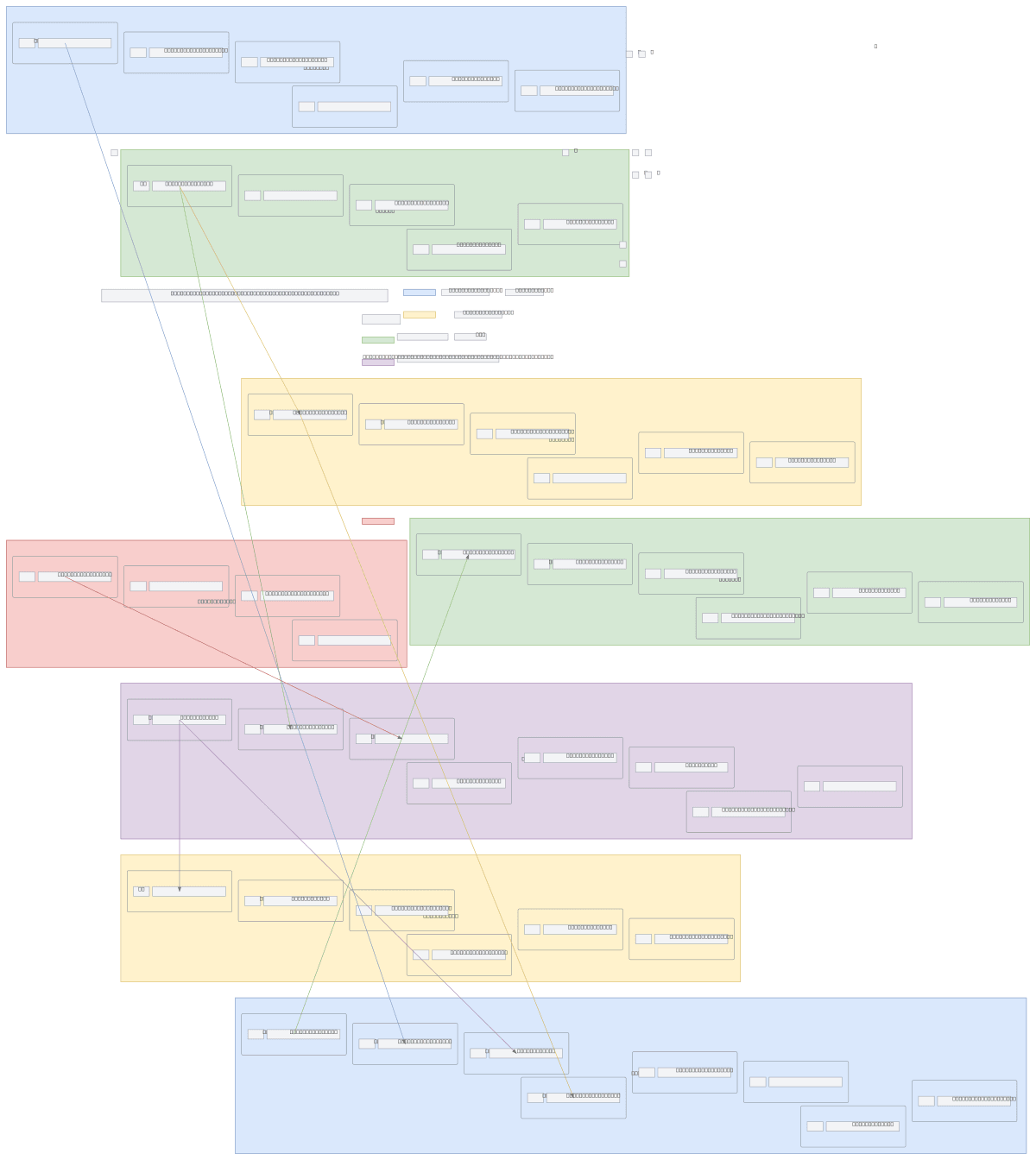
About This Architecture
Car rental system ERD with seven normalized tables: CUSTOMER, BRANCH, EMPLOYEE, CAR_CATEGORY, CAR, RENTAL, PAYMENT, and MAINTENANCE, connected via primary and foreign keys. Data flows from customers initiating rentals linked to specific cars, branches, and employees, with payments and maintenance records tracked separately. This schema demonstrates relational best practices—enforced referential integrity, ENUM status fields, and cost tracking—essential for multi-location rental operations. Fork this diagram on Diagrams.so to customize table structures, add indexes, or adapt for your AWS RDS PostgreSQL or MySQL deployment. The design supports complex queries across rental history, vehicle availability, and revenue reporting.