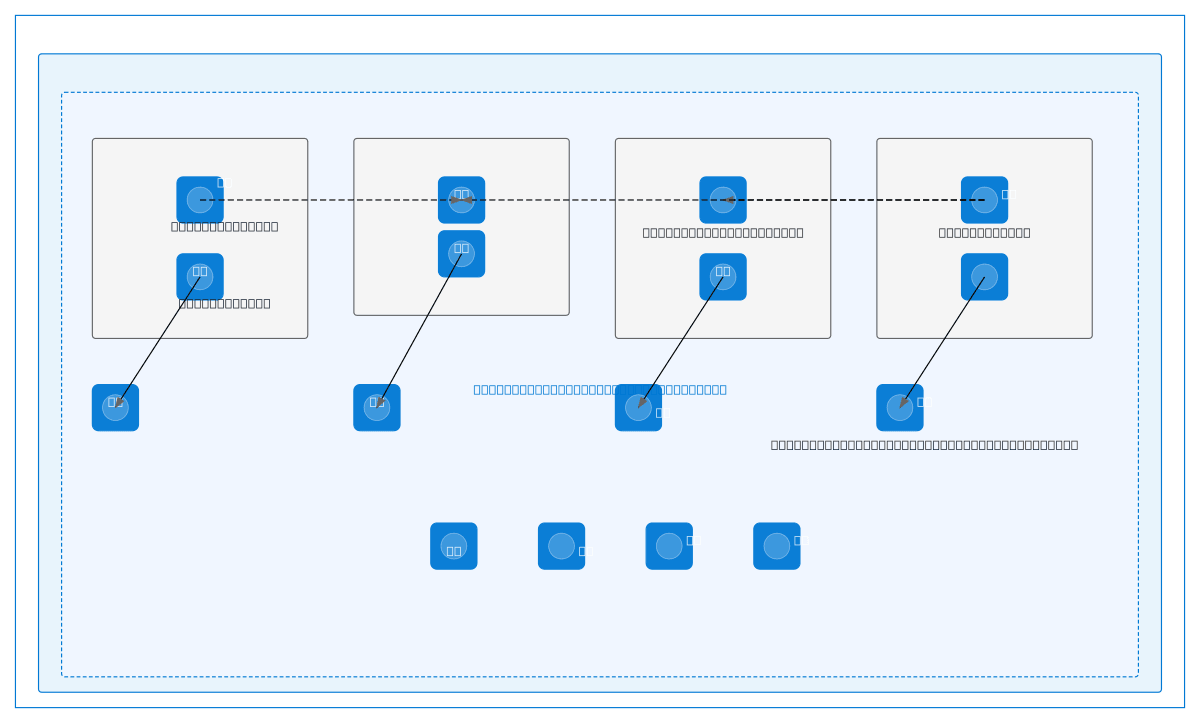
Azure Private Link Architecture - Development VNet
About This Architecture
Azure Private Link architecture isolates API Management, Storage Account, Service Bus Namespace, and Function App within a development VNet (10.0.0.0/22) using dedicated Private Link endpoints and private DNS zones. Traffic flows privately between components—API Management to Storage Account, Function App to Service Bus and Storage Account—without traversing the public internet. This zero-trust network design eliminates data exfiltration risk, enforces least-privilege access via Network Security Group rules, and integrates with Azure Monitor, Key Vault, and Azure AD for compliance and observability. Fork this diagram on Diagrams.so to customize subnets, add production VNets, or extend with hub-and-spoke topology. Consider adding VNet peering or Azure Firewall for multi-environment governance.
People also ask
How do I design a secure Azure Private Link architecture to isolate API Management, Storage, and Service Bus in a development VNet?
This diagram shows a zero-trust Azure Private Link architecture where API Management, Storage Account, Service Bus Namespace, and Function App connect privately within a development VNet (10.0.0.0/22) using dedicated Private Link endpoints and private DNS zones (privatelink.azure-api.net, privatelink.blob.core.windows.net, privatelink.servicebus.windows.net, privatelink.azurewebsites.net). Network
- Domain:
- Cloud Azure
- Audience:
- Azure solutions architects designing secure, isolated network topologies with Private Link
Generated by Diagrams.so — AI architecture diagram generator with native Draw.io output. Fork this diagram, remix it, or download as .drawio, PNG, or SVG.