AWS Tokyo Single-AZ Web App Architecture

AWSNetworkintermediate
AWS Tokyo Single-AZ Web App Architecture — AWS network diagram

About This Architecture

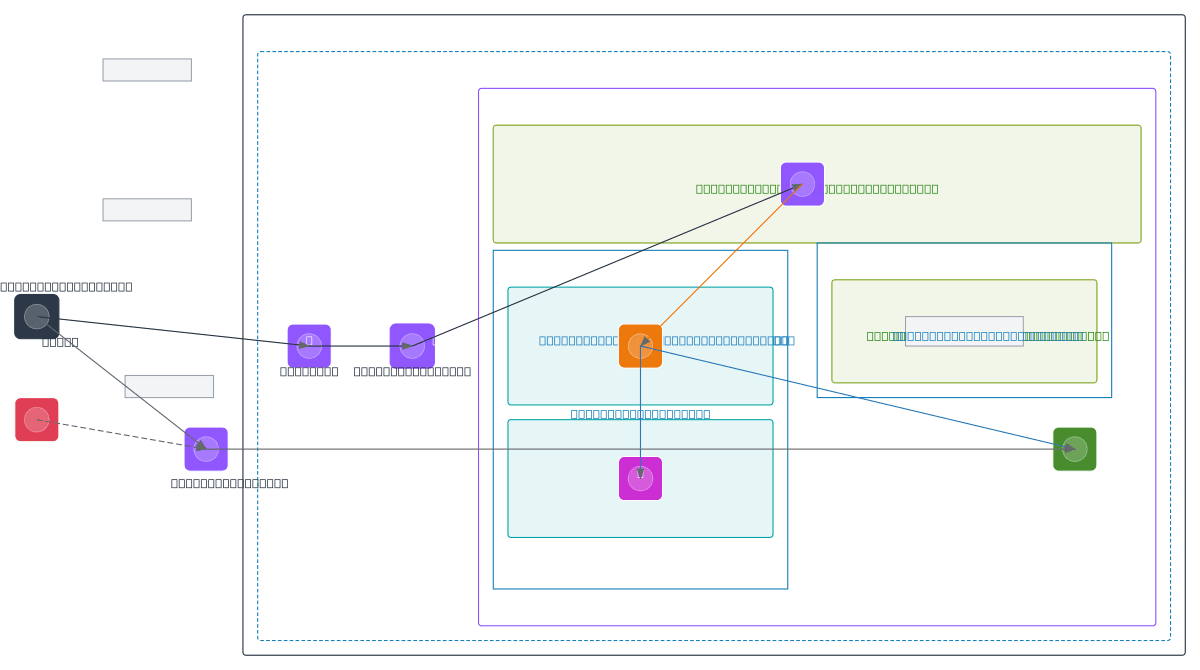
Single-AZ web application architecture in AWS Tokyo (ap-northeast-1) using Route 53 DNS, Application Load Balancer across public subnets, EC2 t3.small instances in private app tier, RDS MySQL for data persistence, and S3 for static assets. Traffic flows from users through Route 53 and Internet Gateway to the ALB, which distributes requests to EC2 instances that query RDS and fetch objects from S3. This pattern optimizes for cost and latency in the Tokyo region while maintaining separation of concerns across public, application, and data subnets. Fork this diagram on Diagrams.so to customize instance types, add multi-AZ redundancy, or adjust CIDR blocks for your workload. Consider upgrading to multi-AZ deployment for production workloads requiring higher availability and automatic failover.

People also ask

How do I design a cost-optimized web application architecture in AWS Tokyo region with load balancing and database persistence?

This diagram shows a single-AZ web app in AWS Tokyo (ap-northeast-1) where Route 53 routes traffic through an Internet Gateway to an Application Load Balancer, which distributes requests to EC2 t3.small instances in a private subnet. EC2 instances connect to RDS MySQL for data and S3 for static assets, optimizing for regional latency and cost.

AWSTokyoWeb ArchitectureLoad BalancingVPCRDS
Domain:
Cloud Aws
Audience:
AWS solutions architects designing cost-optimized web applications in Tokyo region

Generated by Diagrams.so — AI architecture diagram generator with native Draw.io output. Fork this diagram, remix it, or download as .drawio, PNG, or SVG.

Generate your own network diagram →

About This Architecture

Single-AZ web application architecture in AWS Tokyo (ap-northeast-1) using Route 53 DNS, Application Load Balancer across public subnets, EC2 t3.small instances in private app tier, RDS MySQL for data persistence, and S3 for static assets. Traffic flows from users through Route 53 and Internet Gateway to the ALB, which distributes requests to EC2 instances that query RDS and fetch objects from S3. This pattern optimizes for cost and latency in the Tokyo region while maintaining separation of concerns across public, application, and data subnets. Fork this diagram on Diagrams.so to customize instance types, add multi-AZ redundancy, or adjust CIDR blocks for your workload. Consider upgrading to multi-AZ deployment for production workloads requiring higher availability and automatic failover.

People also ask

How do I design a cost-optimized web application architecture in AWS Tokyo region with load balancing and database persistence?

This diagram shows a single-AZ web app in AWS Tokyo (ap-northeast-1) where Route 53 routes traffic through an Internet Gateway to an Application Load Balancer, which distributes requests to EC2 t3.small instances in a private subnet. EC2 instances connect to RDS MySQL for data and S3 for static assets, optimizing for regional latency and cost.

AWS Tokyo Single-AZ Web App Architecture

AWSintermediateTokyoWeb ArchitectureLoad BalancingVPCRDS
Domain: Cloud AwsAudience: AWS solutions architects designing cost-optimized web applications in Tokyo region
0 views0 favoritesPublic

Created by

April 20, 2026

Updated

April 20, 2026 at 1:30 AM

Type

network

Need a custom architecture diagram?

Describe your architecture in plain English and get a production-ready Draw.io diagram in seconds. Works for AWS, Azure, GCP, Kubernetes, and more.

Generate with AI