ADVU Integration Hub - Source Systems Data Flows

GENERALArchitectureintermediate
ADVU Integration Hub - Source Systems Data Flows — GENERAL architecture diagram

About This Architecture

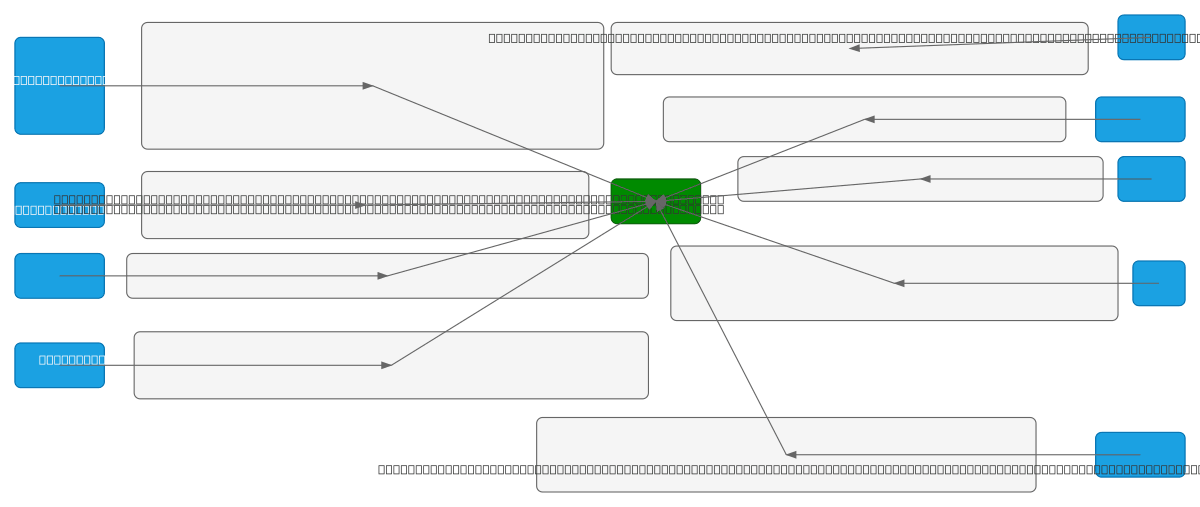
ADVU Integration Hub consolidates data flows from nine diverse source systems including RCLOSC (client/contract management), Emovis UK, EuroGo, Total, Fimaser, PFE circulee, BOOST, BIP-GO, and BIP-Drive into a centralized hub. Each source system feeds independently into ADVU, enabling unified data ingestion and transformation across heterogeneous platforms. This hub-and-spoke topology simplifies downstream analytics, reporting, and operational workflows by normalizing data from legacy and modern systems. Fork this diagram on Diagrams.so to customize source connectors, add transformation layers, or integrate with your data warehouse. The unknown source component indicates room for future system onboarding without architectural redesign.

People also ask

How do you design a data integration hub that consolidates data from multiple heterogeneous source systems?

The ADVU Integration Hub uses a hub-and-spoke topology where nine independent source systems (RCLOSC, Emovis UK, EuroGo, Total, Fimaser, PFE circulee, BOOST, BIP-GO, BIP-Drive) feed directly into a central ADVU hub. This pattern simplifies data normalization, transformation, and downstream consumption while maintaining loose coupling between sources.

data-integrationETLhub-and-spokedata-consolidationarchitecture-patternmulti-source-systems
Domain:
Data Engineering
Audience:
Data engineers and integration architects managing multi-source data consolidation hubs

Generated by Diagrams.so — AI architecture diagram generator with native Draw.io output. Fork this diagram, remix it, or download as .drawio, PNG, or SVG.

Generate your own architecture diagram →

About This Architecture

ADVU Integration Hub consolidates data flows from nine diverse source systems including RCLOSC (client/contract management), Emovis UK, EuroGo, Total, Fimaser, PFE circulee, BOOST, BIP-GO, and BIP-Drive into a centralized hub. Each source system feeds independently into ADVU, enabling unified data ingestion and transformation across heterogeneous platforms. This hub-and-spoke topology simplifies downstream analytics, reporting, and operational workflows by normalizing data from legacy and modern systems. Fork this diagram on Diagrams.so to customize source connectors, add transformation layers, or integrate with your data warehouse. The unknown source component indicates room for future system onboarding without architectural redesign.

People also ask

How do you design a data integration hub that consolidates data from multiple heterogeneous source systems?

The ADVU Integration Hub uses a hub-and-spoke topology where nine independent source systems (RCLOSC, Emovis UK, EuroGo, Total, Fimaser, PFE circulee, BOOST, BIP-GO, BIP-Drive) feed directly into a central ADVU hub. This pattern simplifies data normalization, transformation, and downstream consumption while maintaining loose coupling between sources.

ADVU Integration Hub - Source Systems Data Flows

Autointermediatedata-integrationETLhub-and-spokedata-consolidationarchitecture-patternmulti-source-systems
Domain: Data EngineeringAudience: Data engineers and integration architects managing multi-source data consolidation hubs
0 views0 favoritesPublic

Created by

April 24, 2026

Updated

April 24, 2026 at 1:52 PM

Type

architecture

Need a custom architecture diagram?

Describe your architecture in plain English and get a production-ready Draw.io diagram in seconds. Works for AWS, Azure, GCP, Kubernetes, and more.

Generate with AI