835 Remittance Processing Architecture

GENERALArchitectureadvanced
835 Remittance Processing Architecture — GENERAL architecture diagram

About This Architecture

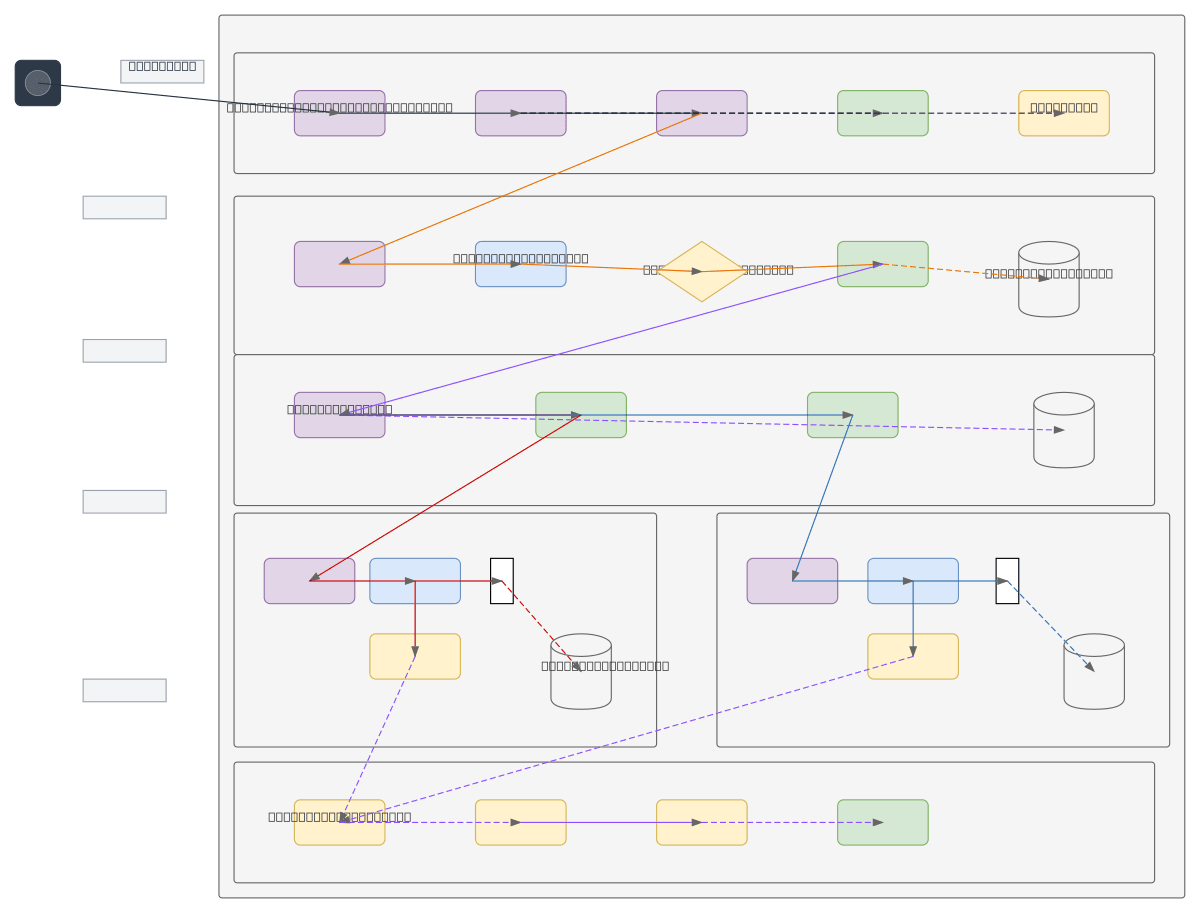
Healthcare claims remittance (835) processing architecture ingests insurance company payment files via SFTP/API, parses and validates them, then intelligently routes claim lines through denial and underpayment workflows. The system classifies each payment line, applies routing rules, and triggers specialized handlers—denial analyzer for zero-payment claims and variance calculator for partial payments—with manual review gates and notification outputs. Centralized logging, metrics dashboards, and alerting provide full observability across the ingestion, classification, and workflow layers. Fork this diagram to customize routing logic, add new workflow branches, or integrate with your claims management platform.

People also ask

How should I architect a healthcare 835 remittance processing system to handle denials and underpayments?

This diagram shows a complete 835 remittance processing architecture that ingests insurance payment files via SFTP/API, parses and validates them, then routes claim lines through specialized denial and underpayment workflows based on payment amount. Each workflow includes analysis, manual review gates, notifications, and persistent records, with centralized logging and alerting for full observabil

healthcareclaims-processingdata-engineeringworkflow-automationobservabilityremittance-835
Domain:
Data Engineering
Audience:
Healthcare data engineers and claims processing architects

Generated by Diagrams.so — AI architecture diagram generator with native Draw.io output. Fork this diagram, remix it, or download as .drawio, PNG, or SVG.

Generate your own architecture diagram →

About This Architecture

Healthcare claims remittance (835) processing architecture ingests insurance company payment files via SFTP/API, parses and validates them, then intelligently routes claim lines through denial and underpayment workflows. The system classifies each payment line, applies routing rules, and triggers specialized handlers—denial analyzer for zero-payment claims and variance calculator for partial payments—with manual review gates and notification outputs. Centralized logging, metrics dashboards, and alerting provide full observability across the ingestion, classification, and workflow layers. Fork this diagram to customize routing logic, add new workflow branches, or integrate with your claims management platform.

People also ask

How should I architect a healthcare 835 remittance processing system to handle denials and underpayments?

This diagram shows a complete 835 remittance processing architecture that ingests insurance payment files via SFTP/API, parses and validates them, then routes claim lines through specialized denial and underpayment workflows based on payment amount. Each workflow includes analysis, manual review gates, notifications, and persistent records, with centralized logging and alerting for full observabil

835 Remittance Processing Architecture

Autoadvancedhealthcareclaims-processingdata-engineeringworkflow-automationobservabilityremittance-835
Domain: Data EngineeringAudience: Healthcare data engineers and claims processing architects
2 views0 favoritesPublic

Created by

April 15, 2026

Updated

April 16, 2026 at 11:31 PM

Type

architecture

Need a custom architecture diagram?

Describe your architecture in plain English and get a production-ready Draw.io diagram in seconds. Works for AWS, Azure, GCP, Kubernetes, and more.

Generate with AI