
About This Architecture
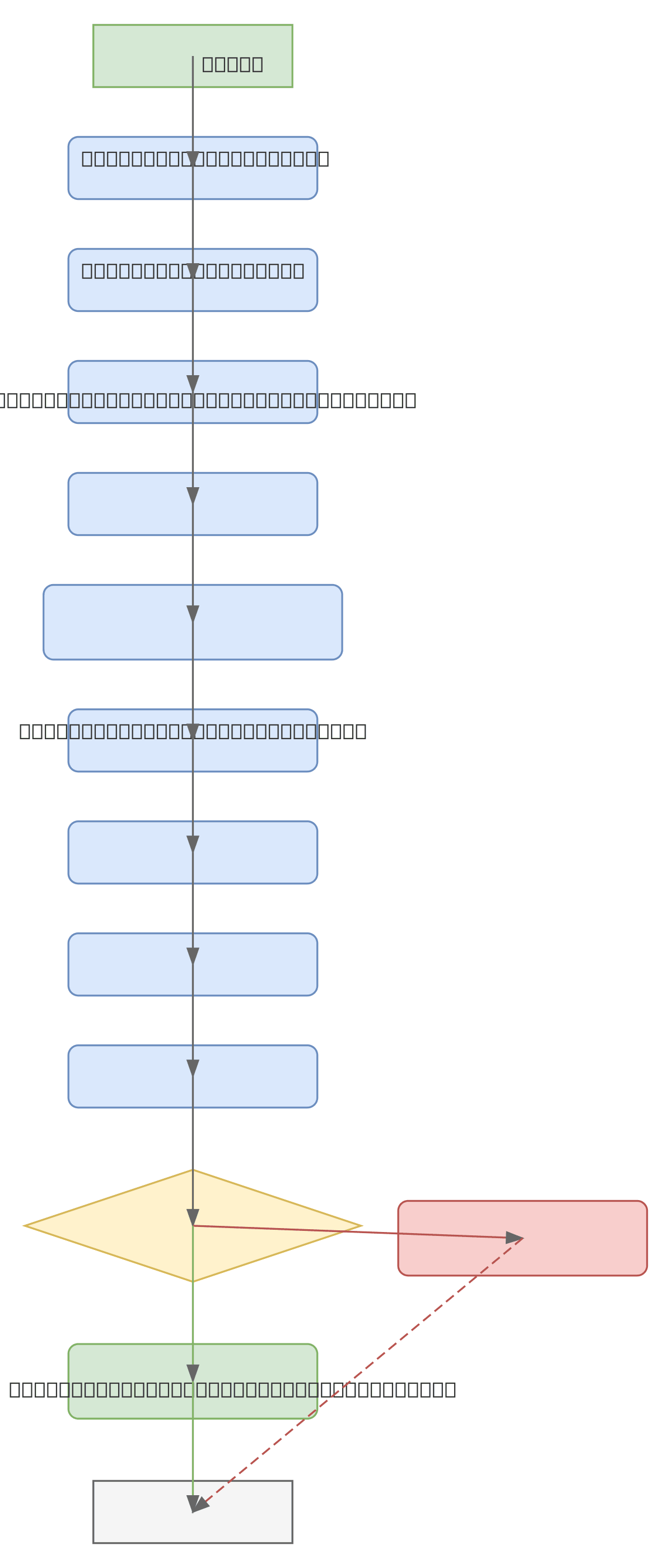
Water quality monitoring system combining fluorescence spectroscopy with AI/ML for real-time contaminant detection. The workflow begins with sample collection and MUG reagent addition, followed by dual light excitation (UV and blue wavelengths) to trigger fluorescence detection. Sensor data collection captures lead, fluoride, pH, turbidity, and temperature measurements, which flow through signal processing, ADC conversion, feature extraction, and data preprocessing before reaching an AI/ML model for contaminant prediction. The system compares predicted contaminant levels against safe limits and triggers alerts or displays safe status accordingly. This architecture demonstrates how spectroscopic analysis combined with machine learning enables rapid, automated water quality assessment. Fork and customize this flowchart on Diagrams.so to adapt sensor types, add additional contaminants, or integrate with SCADA or IoT platforms.