University System ER Diagram

GENERALErintermediate
University System ER Diagram — GENERAL er diagram

About This Architecture

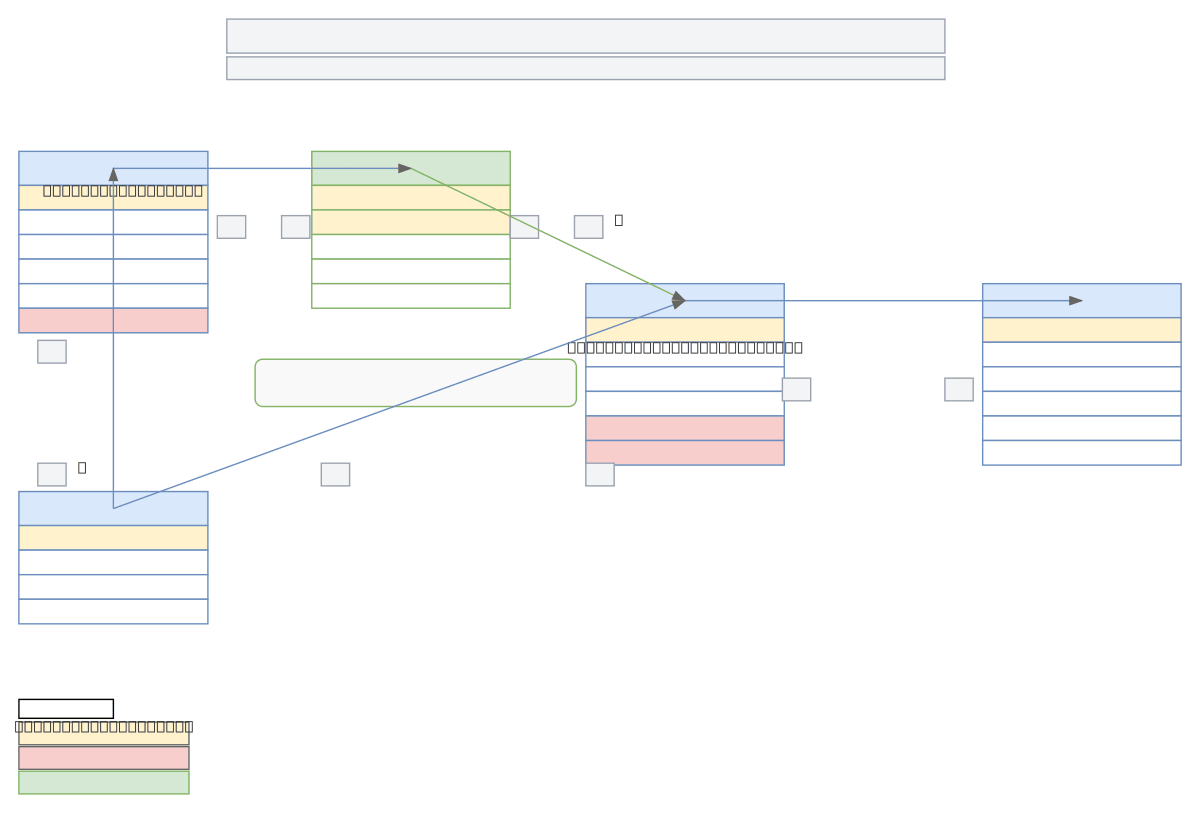
University System ER diagram models a complete student enrollment platform using crow's foot notation with five core entities: ALUNO (student), CURSO (course), DISCIPLINA (discipline/subject), PROFESSOR (instructor), and MATRICULA (enrollment). Data flows from CURSO to both ALUNO and DISCIPLINA, while MATRICULA serves as an associative entity resolving the many-to-many relationship between ALUNO and DISCIPLINA, with DISCIPLINA linked to PROFESSOR. This normalized structure eliminates redundancy, enforces referential integrity through primary and foreign keys, and supports complex queries on student enrollments, course assignments, and instructor workloads. Fork this diagram to customize entity attributes, add additional relationships like prerequisites or grading scales, or export as .drawio/.svg for documentation and database implementation. The crow's foot cardinality notation (1:N, N:1) clearly communicates relationship multiplicity essential for DDL generation and schema validation.

People also ask

How do you design a database schema for a university student enrollment system using entity-relationship diagrams?

This ER diagram demonstrates a normalized university system with ALUNO (student), CURSO (course), DISCIPLINA (subject), PROFESSOR (instructor), and MATRICULA (enrollment) entities. The MATRICULA associative entity resolves the many-to-many relationship between students and disciplines, while foreign keys enforce referential integrity across all relationships.

ER diagramdatabase designuniversity systemdata modelingcrow's foot notationstudent information system
Domain:
Data Engineering
Audience:
Database designers and university IT architects modeling student information systems

Generated by Diagrams.so — AI architecture diagram generator with native Draw.io output. Fork this diagram, remix it, or download as .drawio, PNG, or SVG.

Generate your own er diagram →

About This Architecture

University System ER diagram models a complete student enrollment platform using crow's foot notation with five core entities: ALUNO (student), CURSO (course), DISCIPLINA (discipline/subject), PROFESSOR (instructor), and MATRICULA (enrollment). Data flows from CURSO to both ALUNO and DISCIPLINA, while MATRICULA serves as an associative entity resolving the many-to-many relationship between ALUNO and DISCIPLINA, with DISCIPLINA linked to PROFESSOR. This normalized structure eliminates redundancy, enforces referential integrity through primary and foreign keys, and supports complex queries on student enrollments, course assignments, and instructor workloads. Fork this diagram to customize entity attributes, add additional relationships like prerequisites or grading scales, or export as .drawio/.svg for documentation and database implementation. The crow's foot cardinality notation (1:N, N:1) clearly communicates relationship multiplicity essential for DDL generation and schema validation.

People also ask

How do you design a database schema for a university student enrollment system using entity-relationship diagrams?

This ER diagram demonstrates a normalized university system with ALUNO (student), CURSO (course), DISCIPLINA (subject), PROFESSOR (instructor), and MATRICULA (enrollment) entities. The MATRICULA associative entity resolves the many-to-many relationship between students and disciplines, while foreign keys enforce referential integrity across all relationships.

University System ER Diagram

AutointermediateER diagramdatabase designuniversity systemdata modelingcrow's foot notationstudent information system
Domain: Data EngineeringAudience: Database designers and university IT architects modeling student information systems
0 views0 favoritesPublic

Created by

April 24, 2026

Updated

April 24, 2026 at 2:34 PM

Type

er

Need a custom architecture diagram?

Describe your architecture in plain English and get a production-ready Draw.io diagram in seconds. Works for AWS, Azure, GCP, Kubernetes, and more.

Generate with AI