TextRank Extractive Summarization Flowchart
OCIFlowchartintermediate
TextRank Extractive Summarization Flowchart — OCI flowchart diagram

About This Architecture

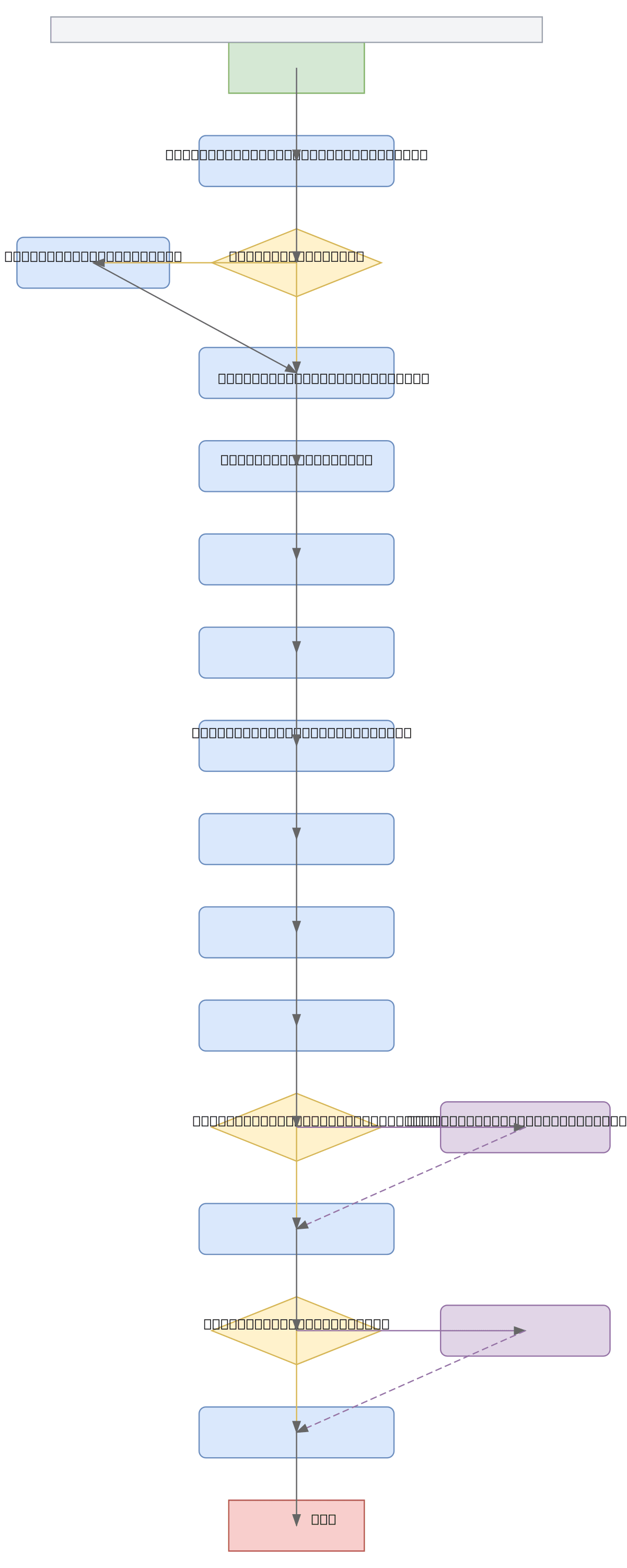
TextRank extractive summarization pipeline combines graph-based sentence ranking with optional Groq API enhancement and ROUGE evaluation. The workflow ingests text or PDF input, preprocesses and tokenizes sentences, calculates cosine similarity to build a graph, ranks sentences using TextRank algorithm, and generates extractive summaries with optional AI refinement. This architecture demonstrates best practices for production NLP pipelines: modular preprocessing, graph-based ranking, and quality metrics validation. Fork this flowchart on Diagrams.so to customize preprocessing steps, adjust similarity thresholds, or integrate alternative LLM providers. The optional Groq enhancement branch enables hybrid extractive-abstractive summarization for improved readability.

People also ask

How do you build an extractive summarization pipeline using TextRank with graph-based sentence ranking and optional LLM enhancement?

This TextRank flowchart demonstrates the complete pipeline: ingest text or PDF, preprocess and tokenize sentences, calculate cosine similarity to build a graph, rank sentences using TextRank, optionally enhance via Groq API, and evaluate quality with ROUGE scores. Each stage is modular and customizable for production NLP systems.

NLPTextRankextractive summarizationOCImachine learninggraph algorithms
Domain:
Ml Pipeline
Audience:
Machine learning engineers and NLP practitioners building extractive summarization systems

Generated by Diagrams.so — AI architecture diagram generator with native Draw.io output. Fork this diagram, remix it, or download as .drawio, PNG, or SVG.

Generate your own flowchart diagram →

About This Architecture

TextRank extractive summarization pipeline combines graph-based sentence ranking with optional Groq API enhancement and ROUGE evaluation. The workflow ingests text or PDF input, preprocesses and tokenizes sentences, calculates cosine similarity to build a graph, ranks sentences using TextRank algorithm, and generates extractive summaries with optional AI refinement. This architecture demonstrates best practices for production NLP pipelines: modular preprocessing, graph-based ranking, and quality metrics validation. Fork this flowchart on Diagrams.so to customize preprocessing steps, adjust similarity thresholds, or integrate alternative LLM providers. The optional Groq enhancement branch enables hybrid extractive-abstractive summarization for improved readability.

People also ask

How do you build an extractive summarization pipeline using TextRank with graph-based sentence ranking and optional LLM enhancement?

This TextRank flowchart demonstrates the complete pipeline: ingest text or PDF, preprocess and tokenize sentences, calculate cosine similarity to build a graph, rank sentences using TextRank, optionally enhance via Groq API, and evaluate quality with ROUGE scores. Each stage is modular and customizable for production NLP systems.

TextRank Extractive Summarization Flowchart

OCIintermediateNLPTextRankextractive summarizationmachine learninggraph algorithms
Domain: Ml PipelineAudience: Machine learning engineers and NLP practitioners building extractive summarization systems
0 views0 favoritesPublic

Created by

April 28, 2026

Updated

April 28, 2026 at 1:03 PM

Type

flowchart

Need a custom architecture diagram?

Describe your architecture in plain English and get a production-ready Draw.io diagram in seconds. Works for AWS, Azure, GCP, Kubernetes, and more.

Generate with AI