Sistem Perpustakaan - ER Diagram — AWS architecture diagram

About This Architecture

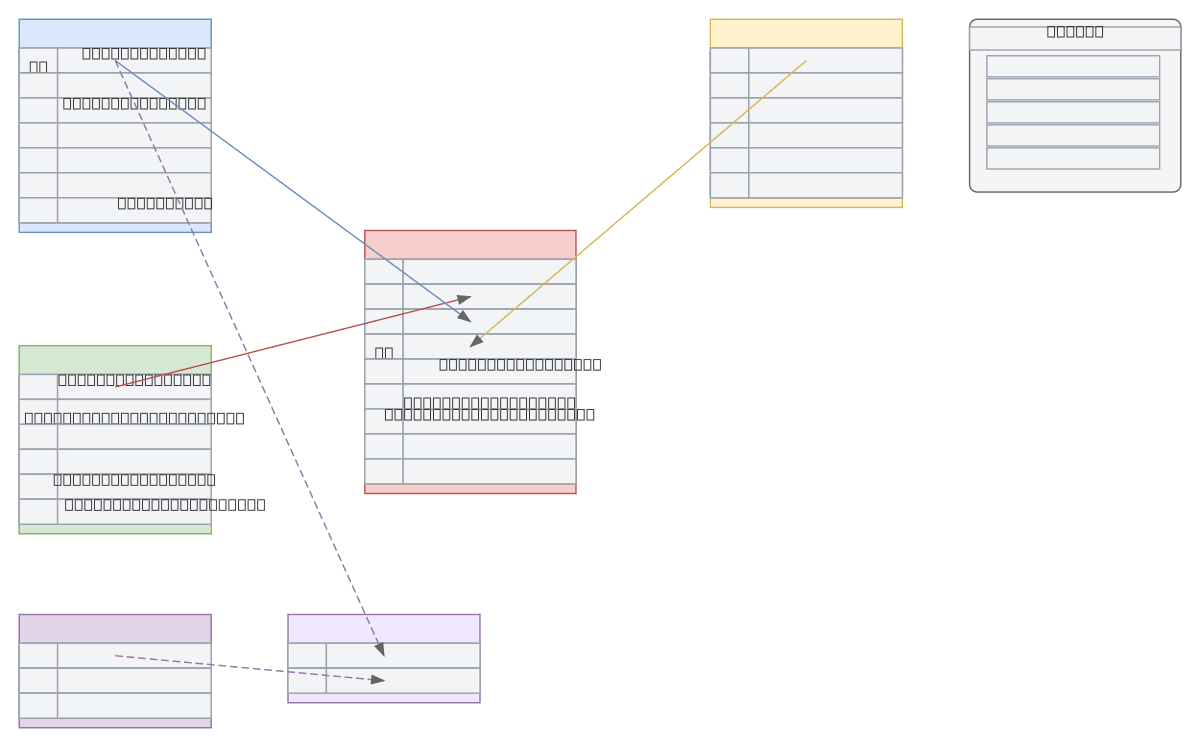
Entity-Relationship diagram for a comprehensive library management system modeling five core entities: BUKU (books), ANGGOTA (members), PETUGAS (staff), PEMINJAMAN (loans), and KATEGORI (categories). The schema captures book metadata including ISBN, title, author, publisher, and stock levels, while tracking member registrations, staff credentials, and loan transactions with due dates and fine calculations. This normalized design demonstrates best practices for managing library operations—member registrations, book inventory, staff access control, and loan lifecycle tracking with penalty management. Fork this diagram on Diagrams.so to customize entity attributes, add audit tables, or extend relationships for your institutional requirements. The many-to-many relationship between BUKU and KATEGORI via BUKU_KATEGORI junction table supports flexible book classification.

People also ask

How should I design a database schema for a library management system with book inventory, member registration, and loan tracking?

This ER diagram models five normalized entities: BUKU stores book metadata (ISBN, title, author, publisher, stock); ANGGOTA tracks member profiles; PETUGAS manages staff credentials; PEMINJAMAN records loans with dates and fines; KATEGORI classifies books via a many-to-many junction table. The schema enforces referential integrity through foreign keys and supports complete library operations.

Sistem Perpustakaan - ER Diagram

AWSintermediatedatabase designER diagramlibrary managementrelational schemadata modelingSQL
Domain: Data EngineeringAudience: Database designers and library management system architects
8 views0 favoritesPublic

Created by

April 21, 2026

Updated

August 5, 2026 at 12:22 PM

Type

er

Need a custom architecture diagram?

Describe your architecture in plain English and get a production-ready Draw.io diagram in seconds. Works for AWS, Azure, GCP, Kubernetes, and more.

Generate with AI

AI-generated. Verify before production use. Learn more

Report this diagram