Online Shopping System ER Diagram

GENERALErintermediate
Online Shopping System ER Diagram — GENERAL er diagram

About This Architecture

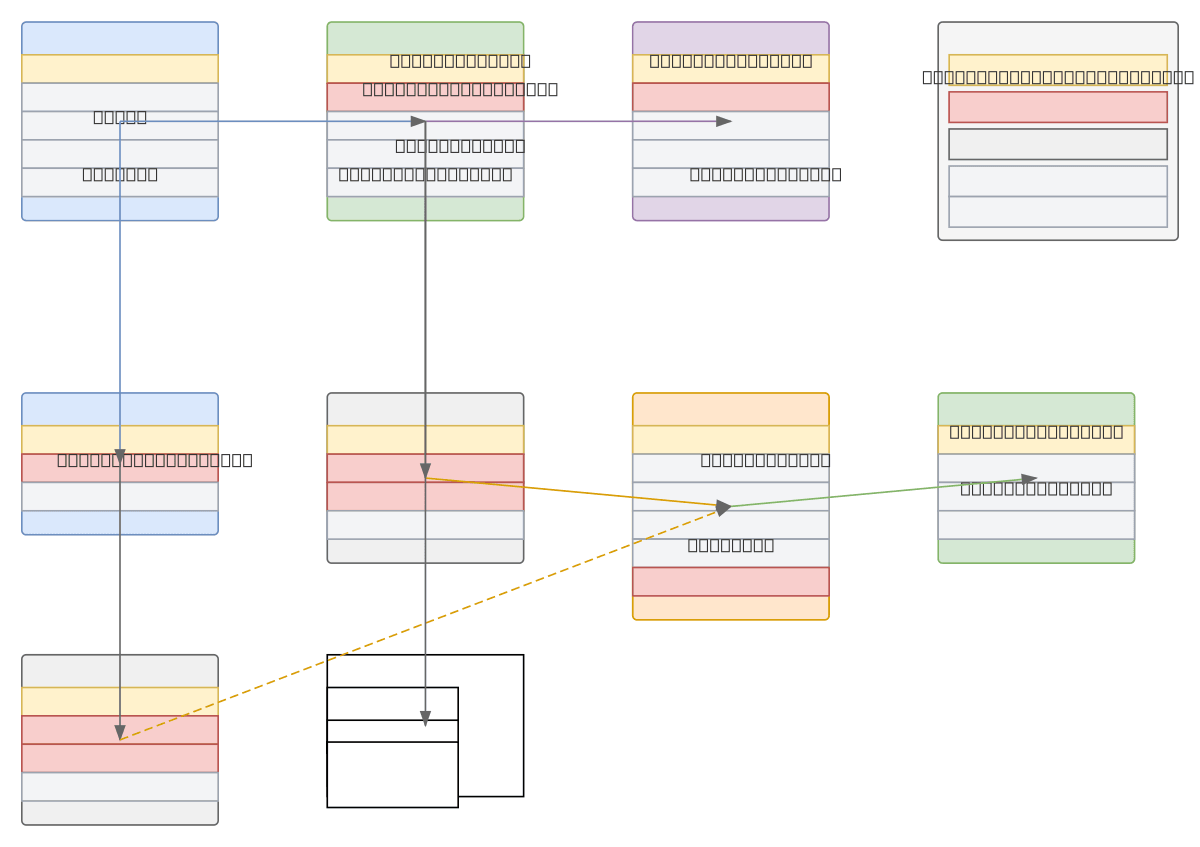
Online shopping system ER diagram modeling customer, order, payment, product, and supplier entities with normalized relationships. Customers create orders and maintain shopping carts; orders link to payments and order items; products are sourced from suppliers and appear in both carts and orders. This schema demonstrates proper normalization with primary and foreign keys, separating transactional (Order, Payment) from catalog (Product, Supplier) and session (Cart) concerns. The design supports concurrent shopping, inventory tracking, and payment reconciliation—critical for scalable e-commerce platforms. Fork this diagram on Diagrams.so to customize for your database implementation, add indexes, or extend with reviews and wishlist entities.

People also ask

What does a normalized database schema for an online shopping system look like?

This ER diagram shows a normalized schema with Customer, Order, Payment, Product, and Supplier entities connected via primary and foreign keys. Customers place orders and manage carts; orders generate payments and contain order items; products link to suppliers. This structure ensures data integrity, eliminates redundancy, and supports concurrent transactions typical of e-commerce platforms.

ER diagramdatabase designe-commercerelational databasenormalizationSQL schema
Domain:
Software Architecture
Audience:
Database architects and backend engineers designing e-commerce systems

Generated by Diagrams.so — AI architecture diagram generator with native Draw.io output. Fork this diagram, remix it, or download as .drawio, PNG, or SVG.

Generate your own erdiagram →

About This Architecture

Online shopping system ER diagram modeling customer, order, payment, product, and supplier entities with normalized relationships. Customers create orders and maintain shopping carts; orders link to payments and order items; products are sourced from suppliers and appear in both carts and orders. This schema demonstrates proper normalization with primary and foreign keys, separating transactional (Order, Payment) from catalog (Product, Supplier) and session (Cart) concerns. The design supports concurrent shopping, inventory tracking, and payment reconciliation—critical for scalable e-commerce platforms. Fork this diagram on Diagrams.so to customize for your database implementation, add indexes, or extend with reviews and wishlist entities.

People also ask

What does a normalized database schema for an online shopping system look like?

This ER diagram shows a normalized schema with Customer, Order, Payment, Product, and Supplier entities connected via primary and foreign keys. Customers place orders and manage carts; orders generate payments and contain order items; products link to suppliers. This structure ensures data integrity, eliminates redundancy, and supports concurrent transactions typical of e-commerce platforms.

Online Shopping System ER Diagram

AutointermediateER diagramdatabase designe-commercerelational databasenormalizationSQL schema
Domain: Software ArchitectureAudience: Database architects and backend engineers designing e-commerce systems
0 views0 favoritesPublic

Created by

June 10, 2026

Updated

June 10, 2026 at 3:50 PM

Type

er

Need a custom architecture diagram?

Describe your architecture in plain English and get a production-ready Draw.io diagram in seconds. Works for AWS, Azure, GCP, Kubernetes, and more.

Generate with AI