
About This Architecture
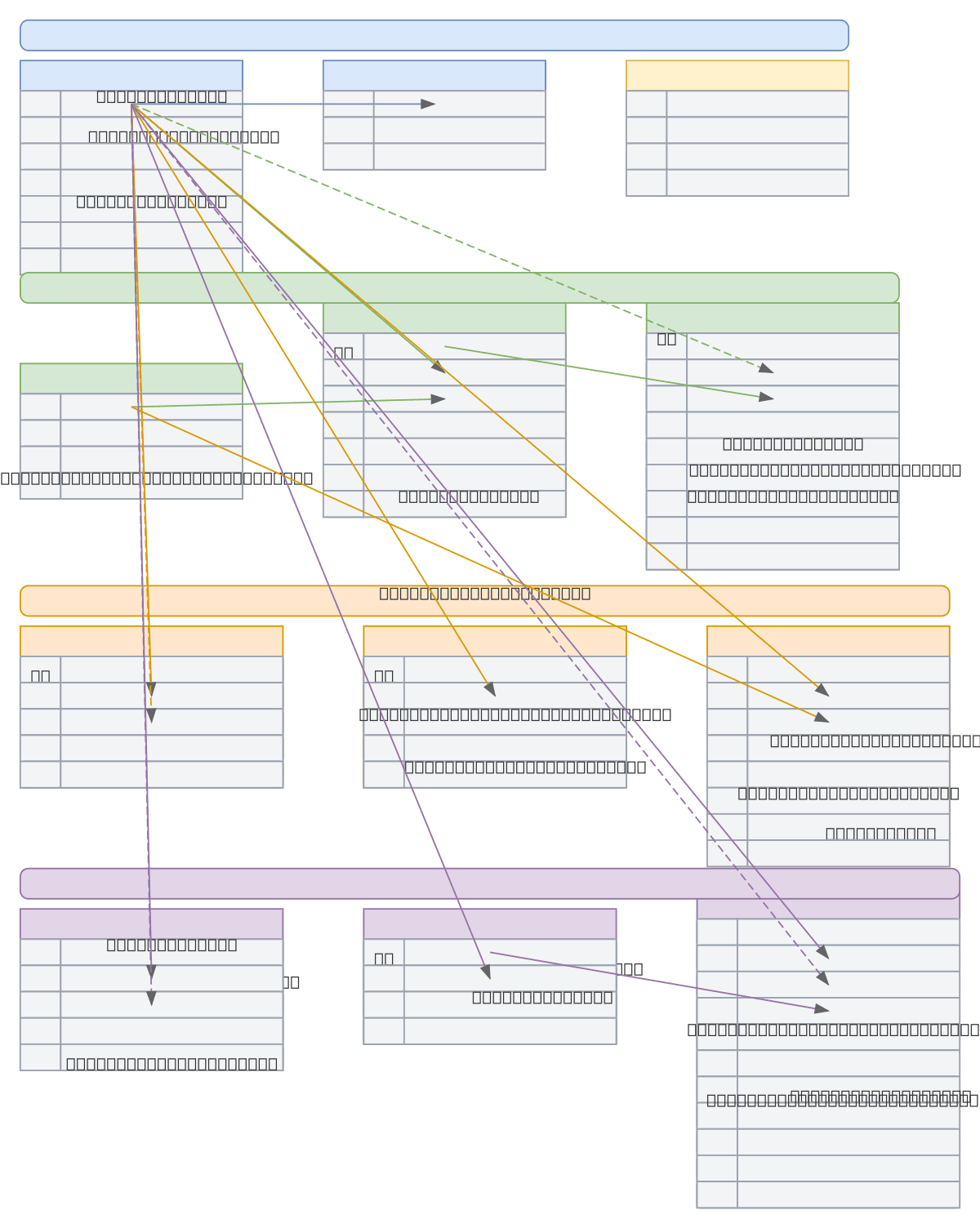
Multi-tenant jewelry store automation ER schema with seven core entities: USERS, USER_ROLES, GOLD_PRICE_LOG, PRODUCT_CATEGORIES, RETAILER_INVENTORY, RETAILER_TRANSACTIONS, WHOLESALER_RETAILER_LINKS, WHOLESALER_GOLD_BROADCAST, WHOLESALER_CATALOG, WORKSHOP_RETAILER_LINKS, and WORKSHOP_OPERATION_TYPES. Data flows from gold price feeds into inventory valuations, retailer transactions, and wholesaler broadcasts, with foreign keys enforcing referential integrity across user roles. This schema enables real-time pricing, multi-party supply chain coordination, and audit trails critical for jewelry retail compliance and margin tracking. Fork and customize this diagram on Diagrams.so to adapt schemas for your gold trading, retail inventory, or workshop management platform. The design separates wholesaler, retailer, and workshop tenants while maintaining shared reference tables like GOLD_PRICE_LOG and PRODUCT_CATEGORIES for consistency.