
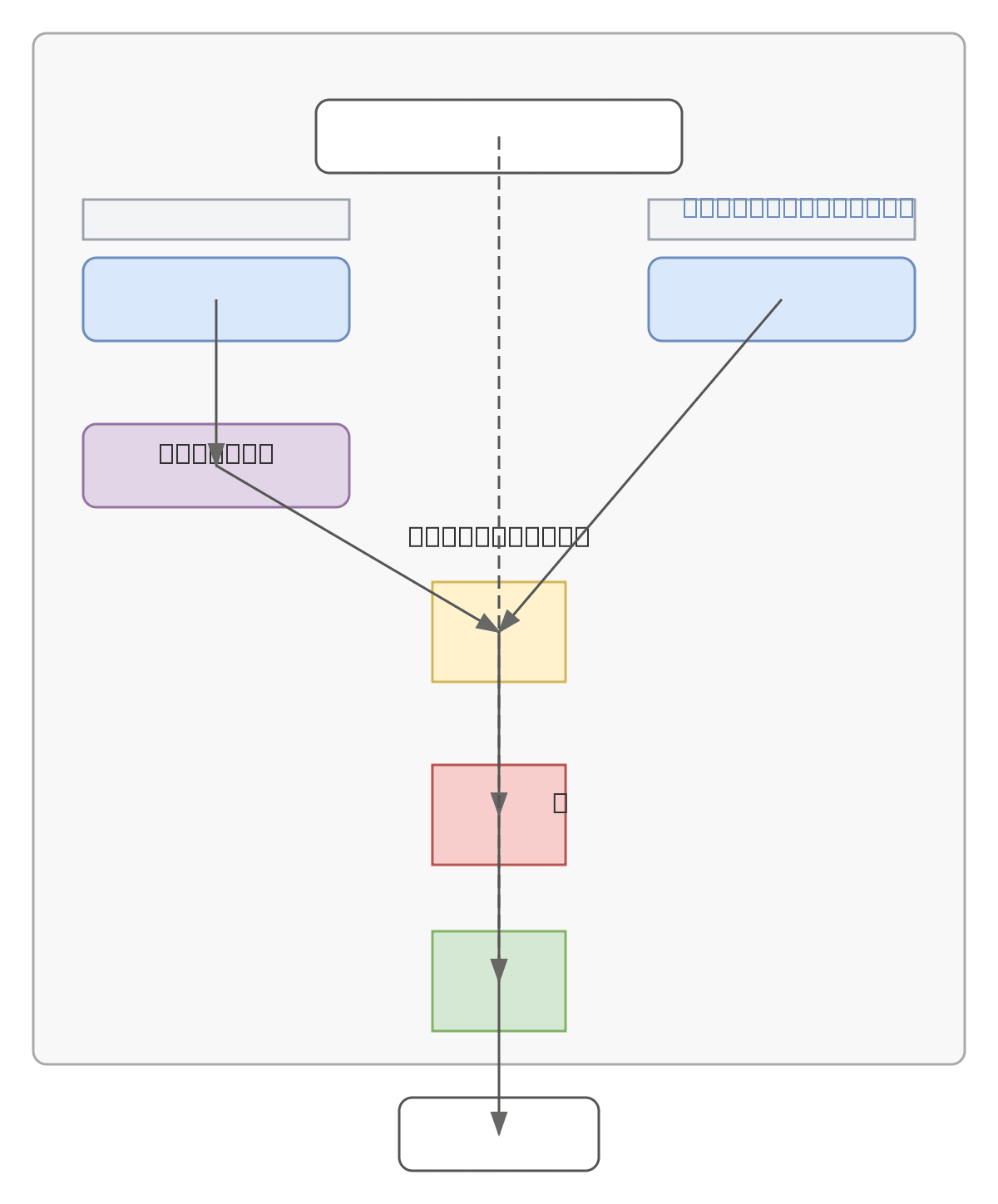
About This Architecture
DFF Adapter Neural Module implements a dual-branch attention architecture combining learned feature scoring with adaptive enhancement. Input tensor X (batch × sequence × channels) flows through parallel Attention and Feature branches: the Attention branch applies Score MLP followed by Softmax normalization to compute attention weights, while the Feature branch uses Enhance MLP to transform features. Element-wise multiplication (⊙) combines weighted features, which pass through a gating function σ(g) before residual addition with the original input to produce output Y. This architecture enables efficient feature recalibration and selective information flow, commonly used in transformer-based models and modern deep learning frameworks. Fork and customize this diagram on Diagrams.so to adapt it for your specific model architecture or documentation needs.