
About This Architecture
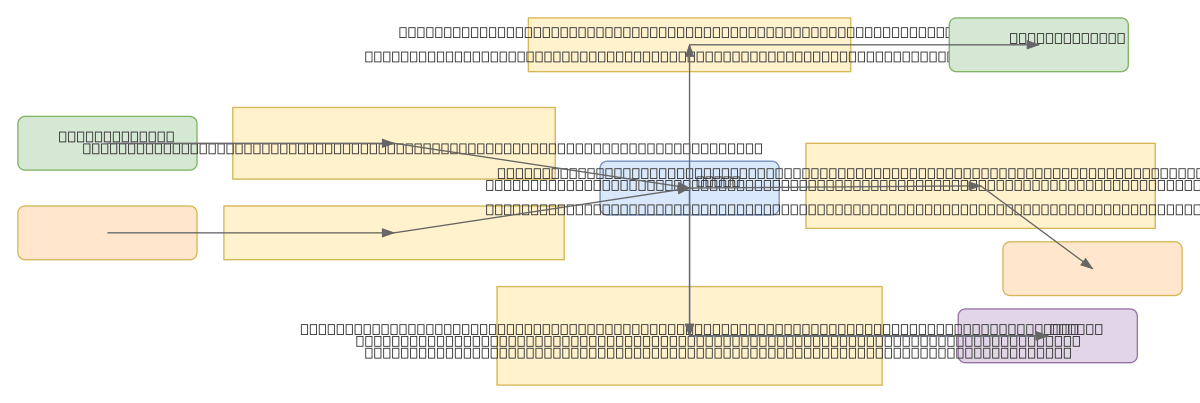
BOOST integration hub orchestrates bidirectional data flows across four enterprise systems: ADVADV handles transaction and discount calculations, RCLOSC manages subscription rights and prepayment reconciliation, and SUPSPM receives accounting journals. Data flows through named integration interfaces (INT_24_0014, INT_186_0008, INT_24_0015, INT_177_0002) that standardize transactions, sales orders, remittances, and journal entries across the ecosystem. This architecture demonstrates enterprise data governance by centralizing BOOST as a single source of truth, reducing point-to-point integrations and ensuring consistent business rule application across finance, sales, and accounting domains. Fork this diagram on Diagrams.so to customize integration mappings, add error handling paths, or extend to additional systems. The design supports audit trails and regulatory compliance by maintaining clear data lineage through named integration contracts.