
About This Architecture
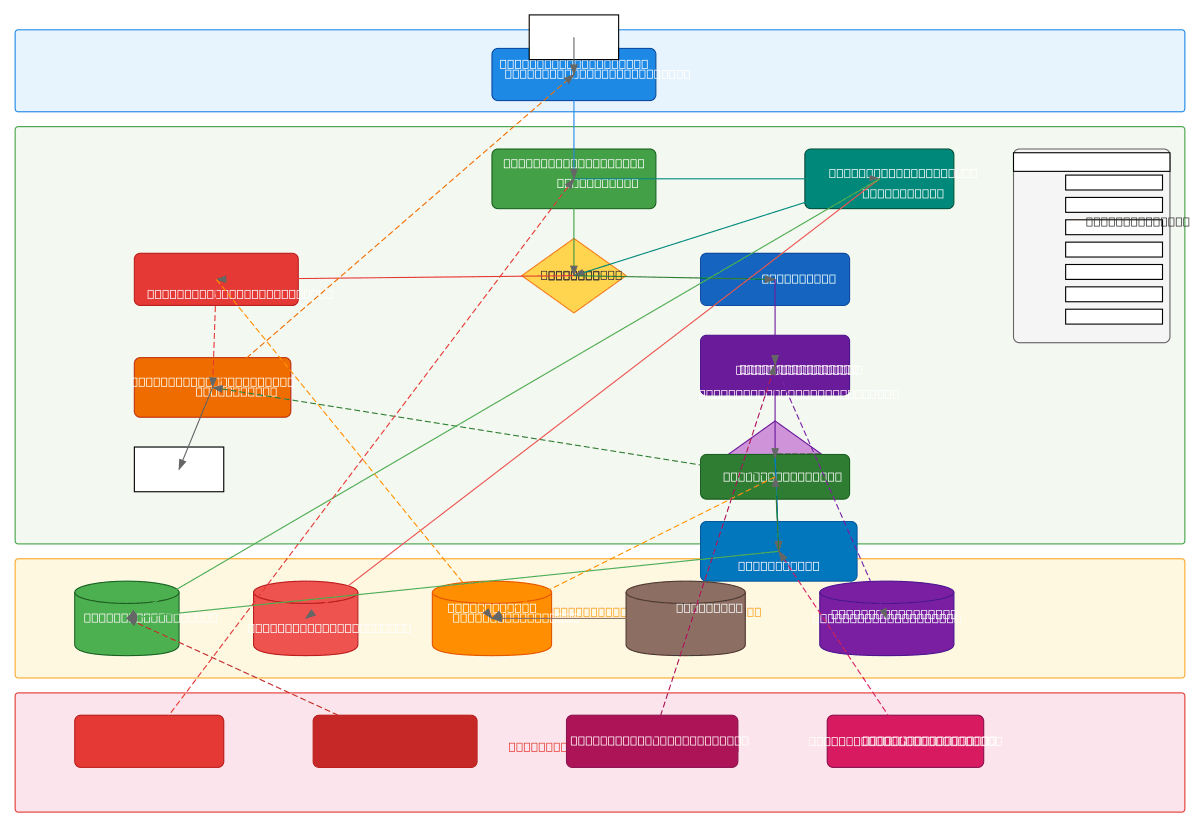
Event-driven banking transaction system built on OCI using Spring Boot microservices, Apache Kafka async messaging, and Camunda BPM workflow orchestration. Frontend Application routes transaction requests through Transaction Service, which validates balances via Saldo Service before publishing approval or denial events to Kafka topics. MongoDB persists transactions, Redis provides atomic locks and caching, while New Relic APM, distributed tracing, and centralized logging ensure full observability across REST, Kafka, and Camunda flows. This architecture demonstrates fast-fail validation patterns, saga-based transaction orchestration, and real-time notifications via Kafka Consumer and Server-Sent Events. Fork and customize this diagram on Diagrams.so to adapt workflow steps, add additional microservices, or integrate alternative observability platforms.