ADVU System Dataflow ER Diagram

GENERALErintermediate
ADVU System Dataflow ER Diagram — GENERAL er diagram

About This Architecture

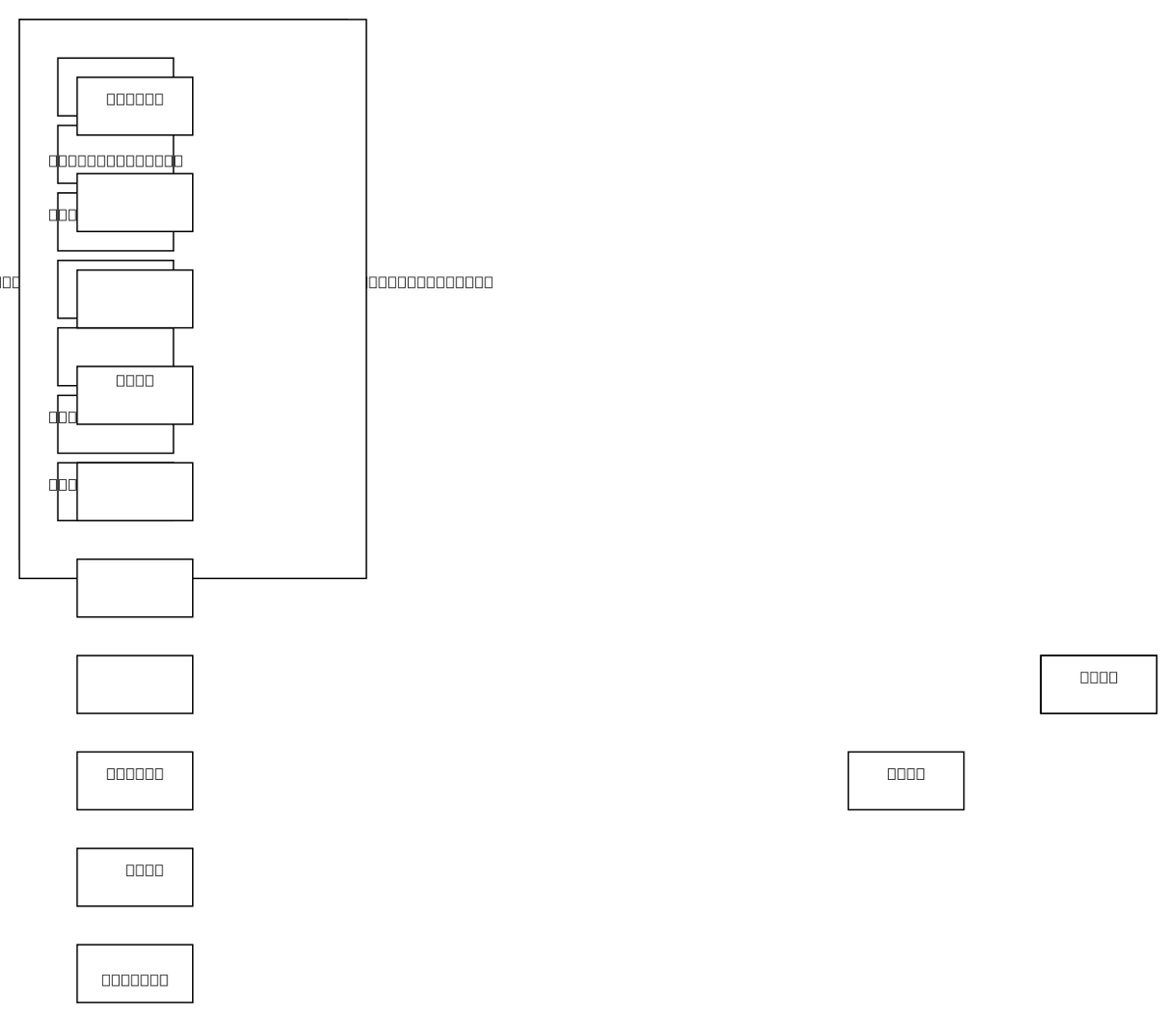
ADVU system dataflow ER diagram maps nine source systems—RCLOSC, E5UK, EURG, TOTL, FIMR, PFEX, BOOST, SUPSPM, and BIPD—feeding client, transaction, and sales data into a centralized hub via numbered integration flows. Each source entity maintains a primary key and connects to the ADVU system through identified or unidentified dataflows, with crow-foot notation indicating one-to-many relationships. This architecture demonstrates enterprise data consolidation across disparate business domains including client management, billing, e-commerce, and logistics. Fork and customize this diagram on Diagrams.so to document your own multi-source ETL topology, add transformation logic, or export as .drawio for integration into data governance documentation. The INCONNU (unknown) source placeholder highlights the importance of source discovery and lineage tracking in mature data platforms.

People also ask

How do I document and visualize dataflows from multiple source systems into a centralized data platform?

The ADVU system dataflow ER diagram shows how to map nine disparate sources—including RCLOSC, E5UK, EURG, TOTL, FIMR, PFEX, BOOST, SUPSPM, and BIPD—into a single hub using numbered integration flows and crow-foot cardinality notation. Solid lines represent identified dataflows while dashed lines indicate unidentified or optional flows, enabling data engineers to track lineage, identify gaps, and p

data-engineeringETLER-diagramdata-integrationenterprise-architecturedata-lineage
Domain:
Data Engineering
Audience:
Data engineers designing enterprise data integration and ETL pipelines

Generated by Diagrams.so — AI architecture diagram generator with native Draw.io output. Fork this diagram, remix it, or download as .drawio, PNG, or SVG.

Generate your own er diagram →

About This Architecture

ADVU system dataflow ER diagram maps nine source systems—RCLOSC, E5UK, EURG, TOTL, FIMR, PFEX, BOOST, SUPSPM, and BIPD—feeding client, transaction, and sales data into a centralized hub via numbered integration flows. Each source entity maintains a primary key and connects to the ADVU system through identified or unidentified dataflows, with crow-foot notation indicating one-to-many relationships. This architecture demonstrates enterprise data consolidation across disparate business domains including client management, billing, e-commerce, and logistics. Fork and customize this diagram on Diagrams.so to document your own multi-source ETL topology, add transformation logic, or export as .drawio for integration into data governance documentation. The INCONNU (unknown) source placeholder highlights the importance of source discovery and lineage tracking in mature data platforms.

People also ask

How do I document and visualize dataflows from multiple source systems into a centralized data platform?

The ADVU system dataflow ER diagram shows how to map nine disparate sources—including RCLOSC, E5UK, EURG, TOTL, FIMR, PFEX, BOOST, SUPSPM, and BIPD—into a single hub using numbered integration flows and crow-foot cardinality notation. Solid lines represent identified dataflows while dashed lines indicate unidentified or optional flows, enabling data engineers to track lineage, identify gaps, and p

ADVU System Dataflow ER Diagram

Autointermediatedata-engineeringETLER-diagramdata-integrationenterprise-architecturedata-lineage
Domain: Data EngineeringAudience: Data engineers designing enterprise data integration and ETL pipelines
0 views0 favoritesPublic

Created by

April 24, 2026

Updated

April 24, 2026 at 11:43 AM

Type

er

Need a custom architecture diagram?

Describe your architecture in plain English and get a production-ready Draw.io diagram in seconds. Works for AWS, Azure, GCP, Kubernetes, and more.

Generate with AI