
About This Architecture
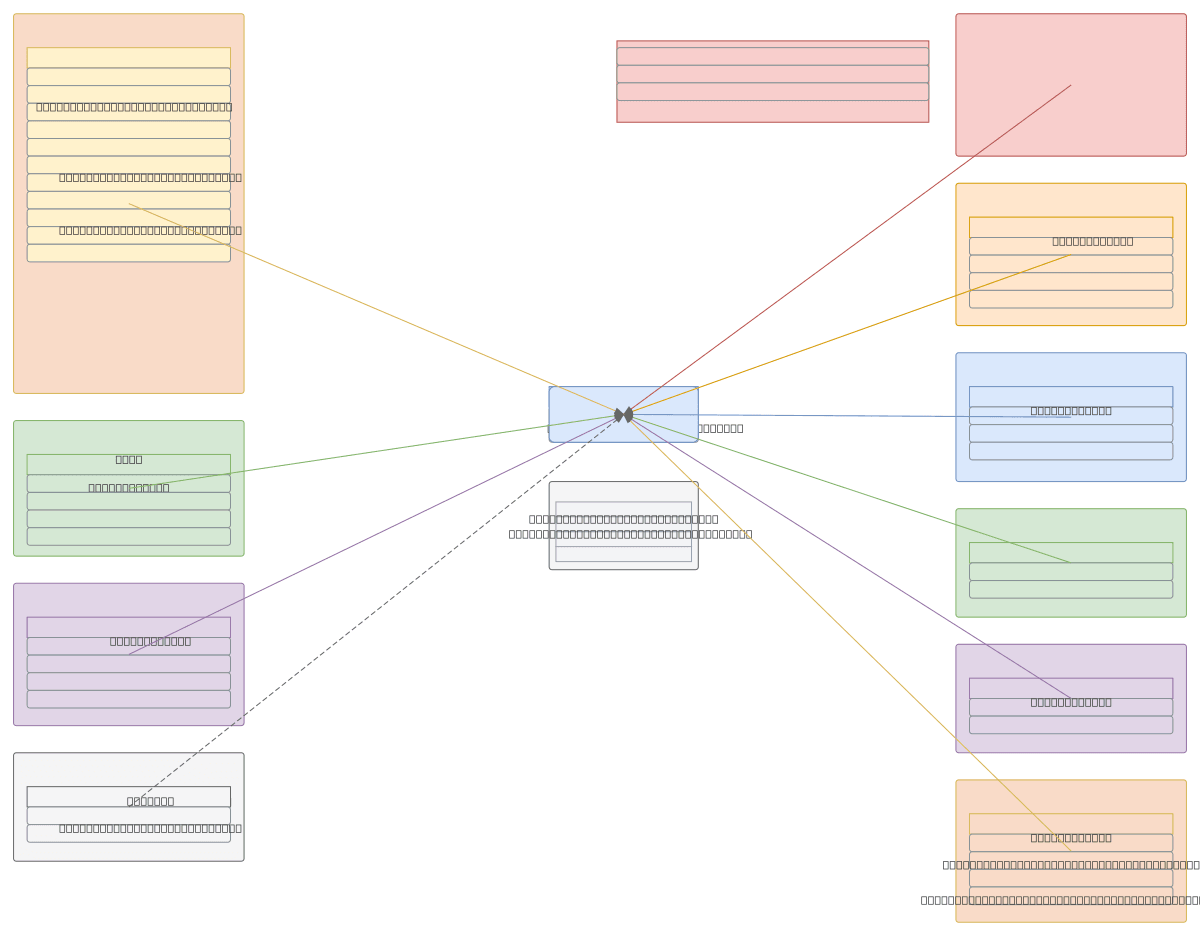
ADVU Integration Hub consolidates client, contract, transaction, and badge data from ten distinct source systems including RCLOSC, EMOVIS UK, EUROGO, TOTAL, FIMASER, and toll operators. Data flows from each source through numbered integration endpoints (INT_XX_XXXX_XX) delivering clients, contracts, subscriptions, transactions, and declarations to the central ADVU hub via mandatory and optional flows. This hub-and-spoke pattern enables normalized data governance across heterogeneous billing, tolling, and customer management systems while maintaining source traceability through primary keys. Fork and customize this diagram on Diagrams.so to map your own multi-tenant integration architecture, document data lineage, or plan migration strategies. The legend distinguishes mandatory flows (solid arrows) from optional or unknown flows (dashed), critical for impact analysis and dependency management.