TTS Architecture Comparison: Transformer vs

OCIArchitectureadvanced
TTS Architecture Comparison: Transformer vs — OCI architecture diagram

About This Architecture

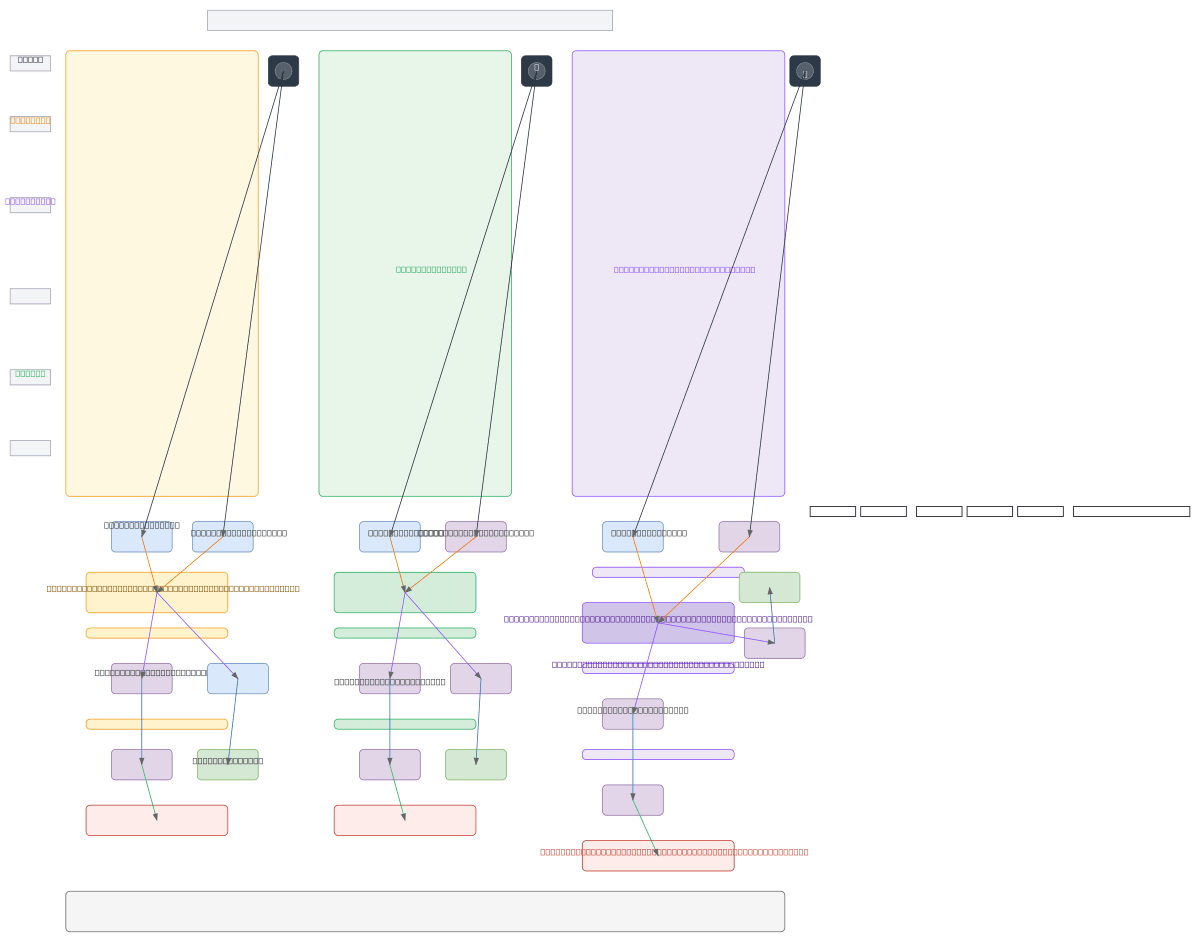
Transformer-TTS vs. NaturalSpeech3 vs. Discrete Event TTS: three competing neural architectures for high-fidelity speech synthesis. The diagram contrasts continuous mel-spectrogram prediction (Transformer-TTS with PostNet vocoder), discrete codec token diffusion (NaturalSpeech3 with VQ-VAE), and proposed event-level autoregressive generation (Discrete Event TTS with neural synthesizer). Each pipeline flows from phoneme encoding through acoustic modeling to waveform reconstruction, with distinct loss functions and token representations. Understanding these trade-offs—attention mechanisms, codec quantization, and event tokenization—is critical for selecting the right TTS architecture for latency, quality, and expressiveness requirements. Fork this diagram on Diagrams.so to customize component choices, add OCI compute resources, or benchmark inference costs across architectures.

People also ask

What are the key differences between Transformer-TTS, NaturalSpeech3, and event-based TTS architectures?

Transformer-TTS uses continuous mel-spectrogram prediction with PostNet refinement and vocoder synthesis; NaturalSpeech3 applies diffusion models over discrete codec tokens (EnCodec/SoundStream) for high-fidelity reconstruction; Discrete Event TTS proposes token-level autoregressive generation of onset, pitch, and duration events fed to a neural synthesizer. Each trades off inference speed, audio

text-to-speechneural-synthesistransformer-architecturediffusion-modelsOCImachine-learning
Domain:
Ml Pipeline
Audience:
Machine learning engineers designing text-to-speech systems on OCI

Generated by Diagrams.so — AI architecture diagram generator with native Draw.io output. Fork this diagram, remix it, or download as .drawio, PNG, or SVG.

Generate your own architecture diagram →

About This Architecture

Transformer-TTS vs. NaturalSpeech3 vs. Discrete Event TTS: three competing neural architectures for high-fidelity speech synthesis. The diagram contrasts continuous mel-spectrogram prediction (Transformer-TTS with PostNet vocoder), discrete codec token diffusion (NaturalSpeech3 with VQ-VAE), and proposed event-level autoregressive generation (Discrete Event TTS with neural synthesizer). Each pipeline flows from phoneme encoding through acoustic modeling to waveform reconstruction, with distinct loss functions and token representations. Understanding these trade-offs—attention mechanisms, codec quantization, and event tokenization—is critical for selecting the right TTS architecture for latency, quality, and expressiveness requirements. Fork this diagram on Diagrams.so to customize component choices, add OCI compute resources, or benchmark inference costs across architectures.

People also ask

What are the key differences between Transformer-TTS, NaturalSpeech3, and event-based TTS architectures?

Transformer-TTS uses continuous mel-spectrogram prediction with PostNet refinement and vocoder synthesis; NaturalSpeech3 applies diffusion models over discrete codec tokens (EnCodec/SoundStream) for high-fidelity reconstruction; Discrete Event TTS proposes token-level autoregressive generation of onset, pitch, and duration events fed to a neural synthesizer. Each trades off inference speed, audio

TTS Architecture Comparison: Transformer vs

OCIadvancedtext-to-speechneural-synthesistransformer-architecturediffusion-modelsmachine-learning
Domain: Ml PipelineAudience: Machine learning engineers designing text-to-speech systems on OCI
0 views0 favoritesPublic

Created by

April 19, 2026

Updated

April 19, 2026 at 1:37 PM

Type

architecture

Need a custom architecture diagram?

Describe your architecture in plain English and get a production-ready Draw.io diagram in seconds. Works for AWS, Azure, GCP, Kubernetes, and more.

Generate with AI