Spring PetClinic ER and Class Diagram
GENERALErintermediate
Spring PetClinic ER and Class Diagram — GENERAL er diagram

About This Architecture

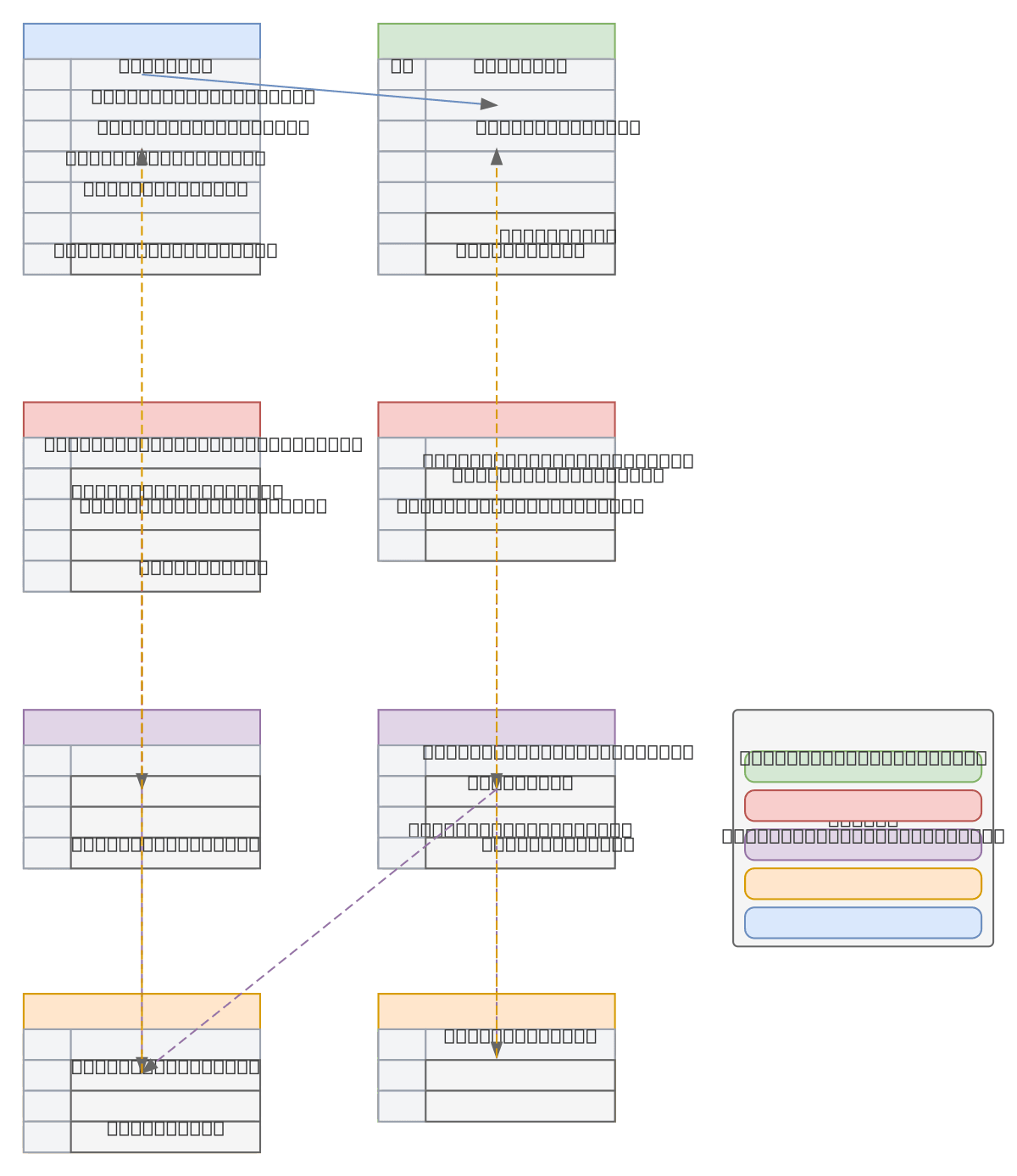
Spring PetClinic refactored architecture combines entity-relationship modeling with layered class design across four tiers: Entity, Controller, Service, and Repository layers. Owner, Pet, and Visit entities maintain one-to-many relationships, while OwnerController and PetController delegate business logic to OwnerService and PetService respectively. Services orchestrate data access through OwnerRepository and PetRepository, which extend JpaRepository for persistence, demonstrating separation of concerns and testability best practices. Fork this diagram to customize for your own domain models, add additional entities, or document your Spring Boot microservice architecture. The pattern scales well for adding new features like appointment scheduling or medical records without disrupting existing layers.

People also ask

How should I structure a Spring Boot application with separate Controller, Service, and Repository layers?

The Spring PetClinic diagram shows the standard four-layer pattern: Controllers handle HTTP requests, Services contain business logic and call Repositories, and Repositories manage data persistence via JpaRepository. Owner, Pet, and Visit entities define the domain model with one-to-many relationships, enabling clean separation of concerns and easier unit testing.

Spring Bootlayered architectureentity relationship diagramJava backendJPAdesign patterns
Domain:
Software Architecture
Audience:
Java backend developers building Spring applications with layered architecture

Generated by Diagrams.so — AI architecture diagram generator with native Draw.io output. Fork this diagram, remix it, or download as .drawio, PNG, or SVG.

Generate your own erdiagram →

About This Architecture

Spring PetClinic refactored architecture combines entity-relationship modeling with layered class design across four tiers: Entity, Controller, Service, and Repository layers. Owner, Pet, and Visit entities maintain one-to-many relationships, while OwnerController and PetController delegate business logic to OwnerService and PetService respectively. Services orchestrate data access through OwnerRepository and PetRepository, which extend JpaRepository for persistence, demonstrating separation of concerns and testability best practices. Fork this diagram to customize for your own domain models, add additional entities, or document your Spring Boot microservice architecture. The pattern scales well for adding new features like appointment scheduling or medical records without disrupting existing layers.

People also ask

How should I structure a Spring Boot application with separate Controller, Service, and Repository layers?

The Spring PetClinic diagram shows the standard four-layer pattern: Controllers handle HTTP requests, Services contain business logic and call Repositories, and Repositories manage data persistence via JpaRepository. Owner, Pet, and Visit entities define the domain model with one-to-many relationships, enabling clean separation of concerns and easier unit testing.

Spring PetClinic ER and Class Diagram

AutointermediateSpring Bootlayered architectureentity relationship diagramJava backendJPAdesign patterns
Domain: Software ArchitectureAudience: Java backend developers building Spring applications with layered architecture
0 views0 favoritesPublic

Created by

May 26, 2026

Updated

May 26, 2026 at 7:21 PM

Type

er

Need a custom architecture diagram?

Describe your architecture in plain English and get a production-ready Draw.io diagram in seconds. Works for AWS, Azure, GCP, Kubernetes, and more.

Generate with AI