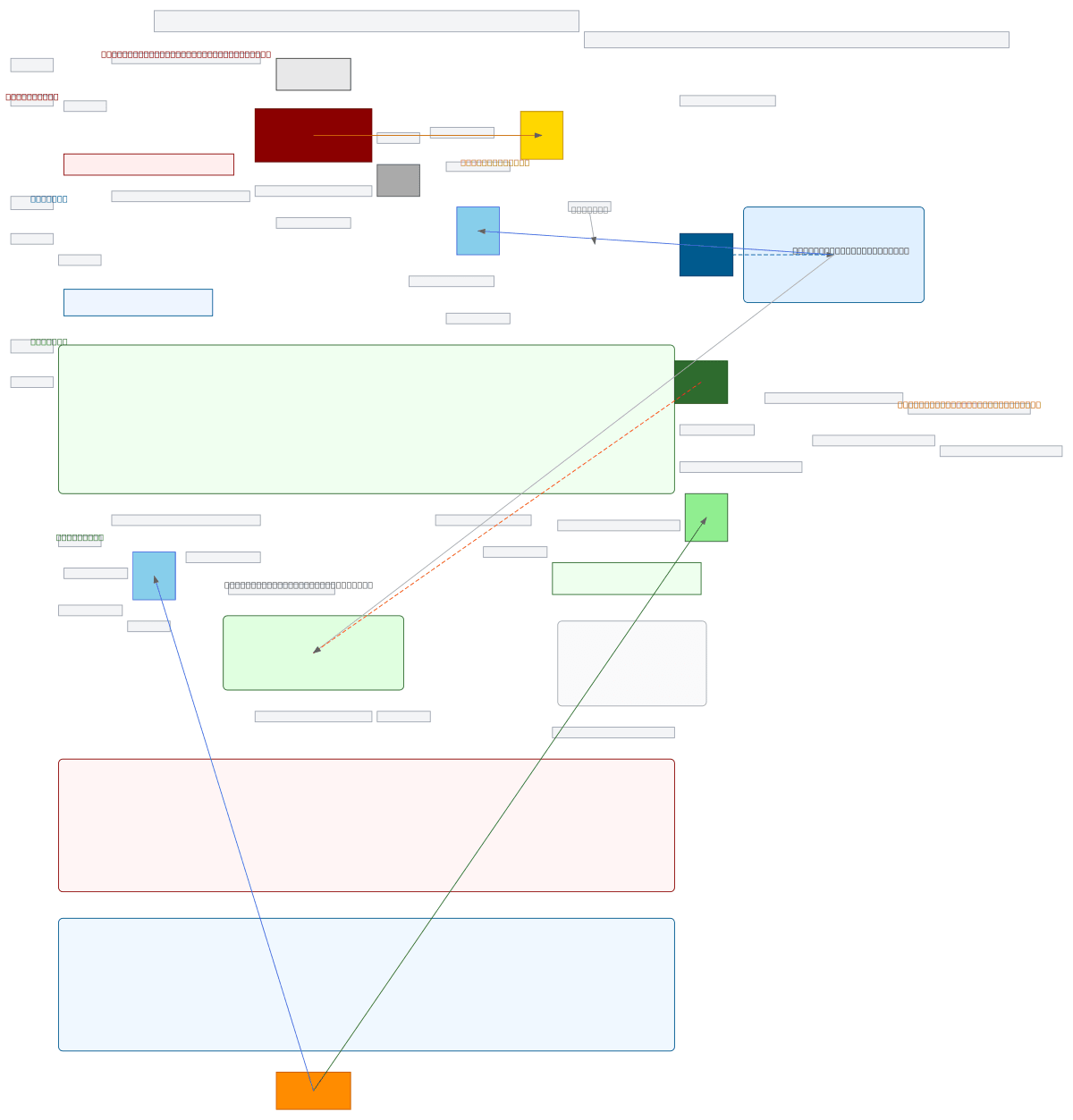
Smart Recycling System - 3-Stage Separator
About This Architecture
Smart recycling system using three-stage separation: eddy current magnets repel aluminum cans, centrifugal fan deflects light paper, and infrared sensors sort PET bottles from heavy paper. Mixed waste enters the input hopper and flows through gravity-fed stages, with each separator directing materials to dedicated bins based on physical and optical properties. This architecture demonstrates industrial automation best practices for high-throughput material recovery, reducing manual sorting labor and improving recycling efficiency. Fork this diagram on Diagrams.so to customize separator specifications, add additional material streams, or integrate with conveyor belt systems and downstream processing. The modular three-stage design allows independent tuning of each separator's parameters for optimal throughput and purity.
People also ask
How does a three-stage automated recycling system separate aluminum, paper, and plastic using eddy current, air, and infrared technology?
This diagram shows a gravity-fed waste sorter where stage 1 uses a neodymium magnet drum to repel aluminum cans via eddy currents, stage 2 employs a centrifugal fan to deflect light paper sideways, and stage 3 uses an IR sensor with servo gates to distinguish PET bottles from heavy paper by reflectance. Each stage directs materials to dedicated bins, enabling high-throughput automated recovery.
- Domain:
- Mechanical Engineering
- Audience:
- mechanical engineers designing automated waste sorting and recycling systems
Generated by Diagrams.so — AI architecture diagram generator with native Draw.io output. Fork this diagram, remix it, or download as .drawio, PNG, or SVG.