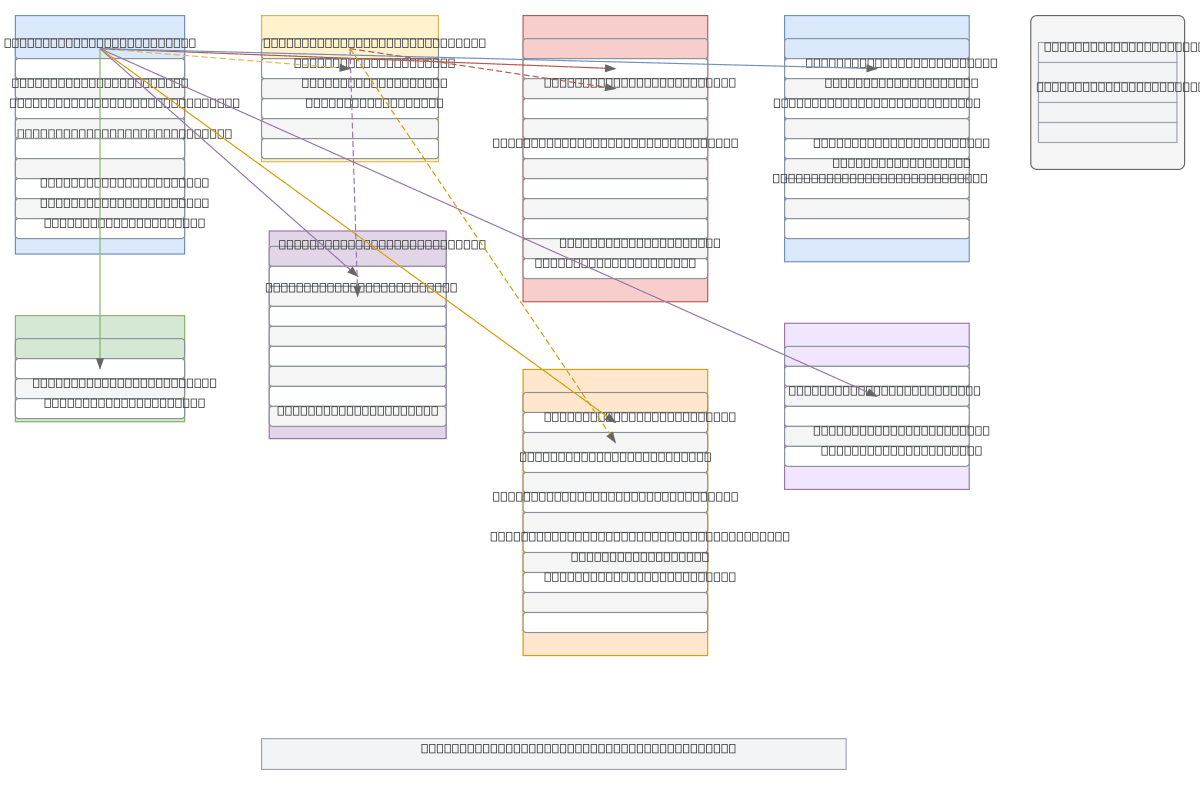
Smart Expense Tracker Enhanced ERD v2.0

GENERALErintermediate
Smart Expense Tracker Enhanced ERD v2.0 — GENERAL er diagram

About This Architecture

Smart Expense Tracker Enhanced ERD v2.0 models a multi-user personal finance system with seven core tables: Users, Profiles, Categories, Transactions, Budgets, RecurringTransactions, SavingsGoals, and Notifications. Data flows from Users as the central entity through one-to-many relationships to Profiles (1:1), Categories, Transactions, Budgets, RecurringTransactions, SavingsGoals, and Notifications, with optional foreign keys enabling flexible categorization and budget tracking. This schema demonstrates best practices for financial applications: decimal precision for monetary values, temporal tracking with CreatedAt/UpdatedAt, constraint validation (CHECK > 0 for amounts, UNIQUE composite keys for budgets), and support for recurring transactions and savings goals. Fork this diagram on Diagrams.so to customize field names, add audit tables, or extend with transaction tags and multi-currency support. The design balances normalization with query performance, suitable for SaaS expense management platforms or personal finance apps.

People also ask

What is the database schema structure for a personal expense tracker application with recurring transactions and budget tracking?

The Smart Expense Tracker ERD v2.0 uses a normalized relational schema with Users as the central entity connected to Profiles, Categories, Transactions, Budgets, RecurringTransactions, SavingsGoals, and Notifications. Foreign keys enforce referential integrity, optional relationships enable flexible categorization, and CHECK constraints ensure monetary amounts are positive. This design supports mu

database-designerdsqlpersonal-financerelational-schemadata-modeling
Domain:
Data Engineering
Audience:
Full-stack developers and database architects designing personal finance applications

Generated by Diagrams.so — AI architecture diagram generator with native Draw.io output. Fork this diagram, remix it, or download as .drawio, PNG, or SVG.

Generate your own er diagram →

About This Architecture

Smart Expense Tracker Enhanced ERD v2.0 models a multi-user personal finance system with seven core tables: Users, Profiles, Categories, Transactions, Budgets, RecurringTransactions, SavingsGoals, and Notifications. Data flows from Users as the central entity through one-to-many relationships to Profiles (1:1), Categories, Transactions, Budgets, RecurringTransactions, SavingsGoals, and Notifications, with optional foreign keys enabling flexible categorization and budget tracking. This schema demonstrates best practices for financial applications: decimal precision for monetary values, temporal tracking with CreatedAt/UpdatedAt, constraint validation (CHECK > 0 for amounts, UNIQUE composite keys for budgets), and support for recurring transactions and savings goals. Fork this diagram on Diagrams.so to customize field names, add audit tables, or extend with transaction tags and multi-currency support. The design balances normalization with query performance, suitable for SaaS expense management platforms or personal finance apps.

People also ask

What is the database schema structure for a personal expense tracker application with recurring transactions and budget tracking?

The Smart Expense Tracker ERD v2.0 uses a normalized relational schema with Users as the central entity connected to Profiles, Categories, Transactions, Budgets, RecurringTransactions, SavingsGoals, and Notifications. Foreign keys enforce referential integrity, optional relationships enable flexible categorization, and CHECK constraints ensure monetary amounts are positive. This design supports mu

Smart Expense Tracker Enhanced ERD v2.0

Autointermediatedatabase-designerdsqlpersonal-financerelational-schemadata-modeling
Domain: Data EngineeringAudience: Full-stack developers and database architects designing personal finance applications
0 views0 favoritesPublic

Created by

April 29, 2026

Updated

April 29, 2026 at 5:41 PM

Type

er

Need a custom architecture diagram?

Describe your architecture in plain English and get a production-ready Draw.io diagram in seconds. Works for AWS, Azure, GCP, Kubernetes, and more.

Generate with AI