Reverse Bastion - Remote Support Architecture

GENERALArchitectureadvanced
Reverse Bastion - Remote Support Architecture — GENERAL architecture diagram

About This Architecture

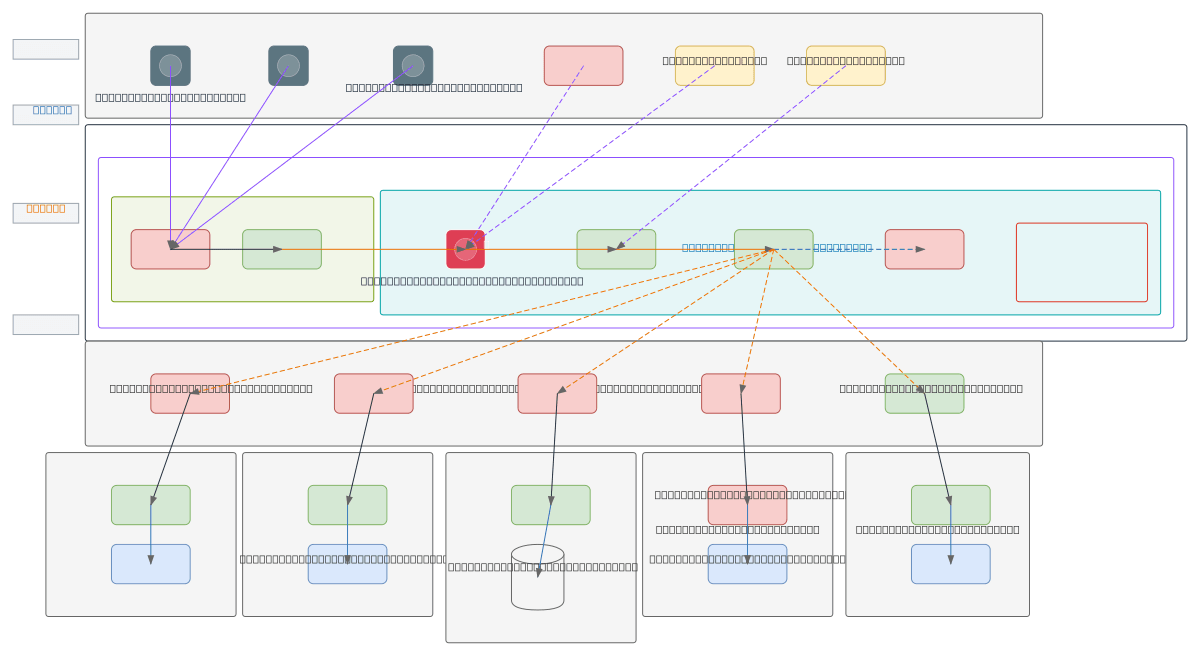
Reverse bastion architecture enables secure remote support by inverting traditional inbound access—customers initiate outbound tunnels to a central bastion host rather than exposing infrastructure to inbound connections. The bastion, deployed as an EC2 instance with Apache Guacamole gateway in a private subnet behind WAF and NLB, brokers multi-protocol sessions (SSH, RDP, VNC) while Secrets Manager stores credentials and MFA/SSO enforces identity verification. Multiple tunnel agents (Reverse SSH, WireGuard, Frp/Ngrok) from customer sites establish persistent outbound connections, eliminating firewall rules for inbound access and reducing attack surface. This pattern solves the compliance and security challenge of granting remote access without opening inbound ports, implementing least-privilege access with full session audit logging and SIEM integration. Fork this diagram on Diagrams.so to customize tunnel protocols, add additional identity providers, or adapt the VPC topology for your multi-tenant support environment.

People also ask

How do I implement secure remote support without exposing inbound ports to my infrastructure?

A reverse bastion architecture inverts traditional access by having customer sites initiate outbound tunnels to a central AWS bastion host running Apache Guacamole. This diagram shows how to broker SSH, RDP, and VNC sessions through a private EC2 instance with Secrets Manager credentials, MFA/SSO identity verification, and full SIEM audit logging—eliminating inbound firewall rules while maintainin

AWSsecuritybastionremote-accesszero-trustsession-management
Domain:
Security
Audience:
Security architects and DevOps engineers implementing zero-trust remote support infrastructure

Generated by Diagrams.so — AI architecture diagram generator with native Draw.io output. Fork this diagram, remix it, or download as .drawio, PNG, or SVG.

Generate your own architecture diagram →

About This Architecture

Reverse bastion architecture enables secure remote support by inverting traditional inbound access—customers initiate outbound tunnels to a central bastion host rather than exposing infrastructure to inbound connections. The bastion, deployed as an EC2 instance with Apache Guacamole gateway in a private subnet behind WAF and NLB, brokers multi-protocol sessions (SSH, RDP, VNC) while Secrets Manager stores credentials and MFA/SSO enforces identity verification. Multiple tunnel agents (Reverse SSH, WireGuard, Frp/Ngrok) from customer sites establish persistent outbound connections, eliminating firewall rules for inbound access and reducing attack surface. This pattern solves the compliance and security challenge of granting remote access without opening inbound ports, implementing least-privilege access with full session audit logging and SIEM integration. Fork this diagram on Diagrams.so to customize tunnel protocols, add additional identity providers, or adapt the VPC topology for your multi-tenant support environment.

People also ask

How do I implement secure remote support without exposing inbound ports to my infrastructure?

A reverse bastion architecture inverts traditional access by having customer sites initiate outbound tunnels to a central AWS bastion host running Apache Guacamole. This diagram shows how to broker SSH, RDP, and VNC sessions through a private EC2 instance with Secrets Manager credentials, MFA/SSO identity verification, and full SIEM audit logging—eliminating inbound firewall rules while maintainin

Reverse Bastion - Remote Support Architecture

AutoadvancedAWSsecuritybastionremote-accesszero-trustsession-management
Domain: SecurityAudience: Security architects and DevOps engineers implementing zero-trust remote support infrastructure
0 views0 favoritesPublic

Created by

April 14, 2026

Updated

April 14, 2026 at 8:18 AM

Type

architecture

Need a custom architecture diagram?

Describe your architecture in plain English and get a production-ready Draw.io diagram in seconds. Works for AWS, Azure, GCP, Kubernetes, and more.

Generate with AI