Rede ISP - Teixeira de Freitas e Itamaraju
GENERALNetworkadvanced
Rede ISP - Teixeira de Freitas e Itamaraju — GENERAL network diagram

About This Architecture

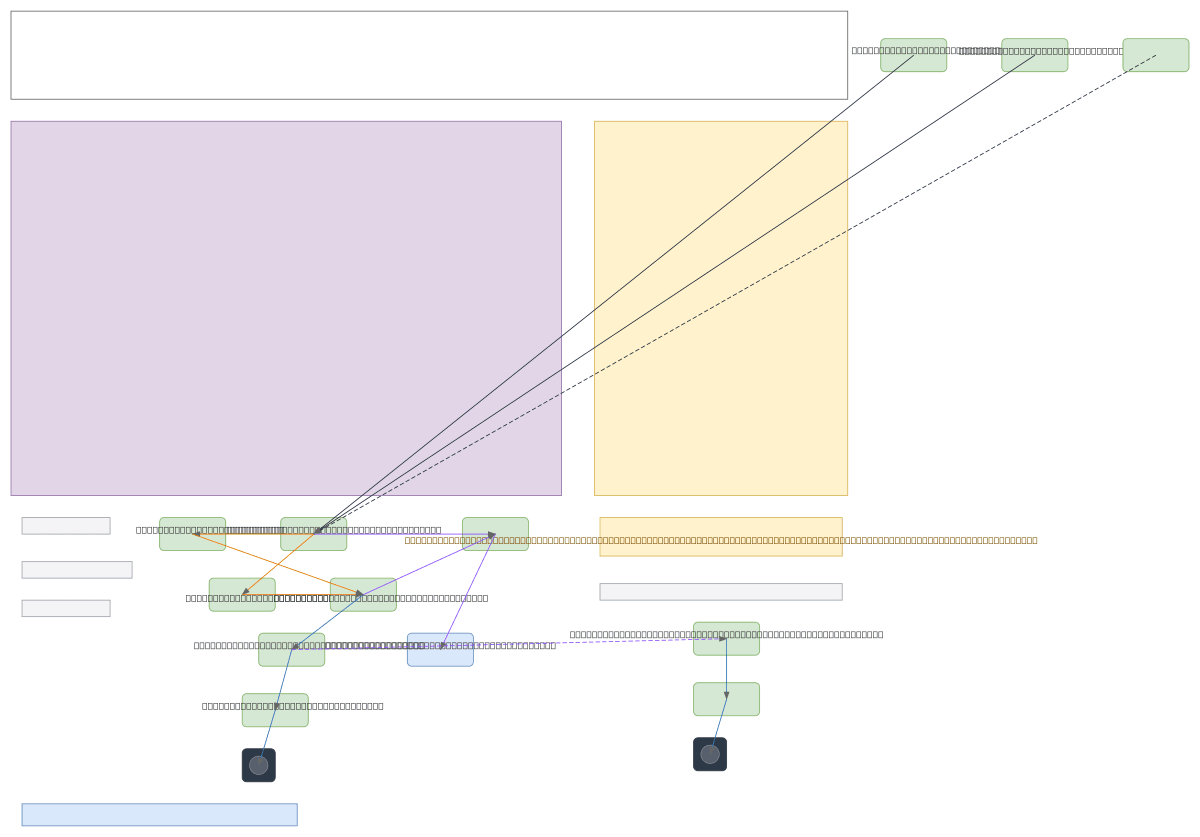
Multi-site ISP backbone network serving Teixeira de Freitas and Itamaraju with dual-carrier BGP peering (MAX and ENFORTEL), Google CDN integration, and centralized PPPoE concentration. Traffic flows from external carriers through a Huawei NE8000 edge router with BGP communities, then through MikroTik CGNAT devices to a central NE8000 BNG concentrator handling subscriber authentication. Teixeira de Freitas operates a full three-layer architecture (core, distribution, access) with local OLT fiber termination, while Itamaraju has been migrated to a simplified L2VPN/MPLS transport model with remote authentication back to the central BNG. This architecture demonstrates carrier-grade redundancy, centralized management via Proxmox IXC/RADIUS, and efficient subscriber scaling across geographically distributed sites. Fork and customize this diagram on Diagrams.so to model your own ISP topology, adjust BGP communities, or document network migrations.

People also ask

How do ISPs architect multi-site fiber networks with centralized authentication and remote L2VPN subscriber access?

This diagram shows a production ISP topology where dual BGP carriers (MAX and ENFORTEL) feed a central Huawei NE8000 edge router, traffic is NAT'd through redundant MikroTik CGNAT devices, then concentrated at a central NE8000 BNG for PPPoE authentication. Remote sites like Itamaraju connect via L2VPN/MPLS transport, eliminating local routing hardware while maintaining centralized subscriber manag

ISPBGPfiber-accessMikroTikHuawei NE8000L2VPN
Domain:
Networking
Audience:
ISP network engineers managing multi-site fiber access networks with BGP routing and PPPoE authentication

Generated by Diagrams.so — AI architecture diagram generator with native Draw.io output. Fork this diagram, remix it, or download as .drawio, PNG, or SVG.

Generate your own network diagram →

About This Architecture

Multi-site ISP backbone network serving Teixeira de Freitas and Itamaraju with dual-carrier BGP peering (MAX and ENFORTEL), Google CDN integration, and centralized PPPoE concentration. Traffic flows from external carriers through a Huawei NE8000 edge router with BGP communities, then through MikroTik CGNAT devices to a central NE8000 BNG concentrator handling subscriber authentication. Teixeira de Freitas operates a full three-layer architecture (core, distribution, access) with local OLT fiber termination, while Itamaraju has been migrated to a simplified L2VPN/MPLS transport model with remote authentication back to the central BNG. This architecture demonstrates carrier-grade redundancy, centralized management via Proxmox IXC/RADIUS, and efficient subscriber scaling across geographically distributed sites. Fork and customize this diagram on Diagrams.so to model your own ISP topology, adjust BGP communities, or document network migrations.

People also ask

How do ISPs architect multi-site fiber networks with centralized authentication and remote L2VPN subscriber access?

This diagram shows a production ISP topology where dual BGP carriers (MAX and ENFORTEL) feed a central Huawei NE8000 edge router, traffic is NAT'd through redundant MikroTik CGNAT devices, then concentrated at a central NE8000 BNG for PPPoE authentication. Remote sites like Itamaraju connect via L2VPN/MPLS transport, eliminating local routing hardware while maintaining centralized subscriber manag

Rede ISP - Teixeira de Freitas e Itamaraju

AutoadvancedISPBGPfiber-accessMikroTikHuawei NE8000L2VPN
Domain: NetworkingAudience: ISP network engineers managing multi-site fiber access networks with BGP routing and PPPoE authentication
0 views0 favoritesPublic

Created by

April 13, 2026

Updated

April 13, 2026 at 5:30 PM

Type

network

Need a custom architecture diagram?

Describe your architecture in plain English and get a production-ready Draw.io diagram in seconds. Works for AWS, Azure, GCP, Kubernetes, and more.

Generate with AI