Real-Time Water Quality Monitoring with AI/ML

GENERALArchitectureadvanced
Real-Time Water Quality Monitoring with AI/ML — GENERAL architecture diagram

About This Architecture

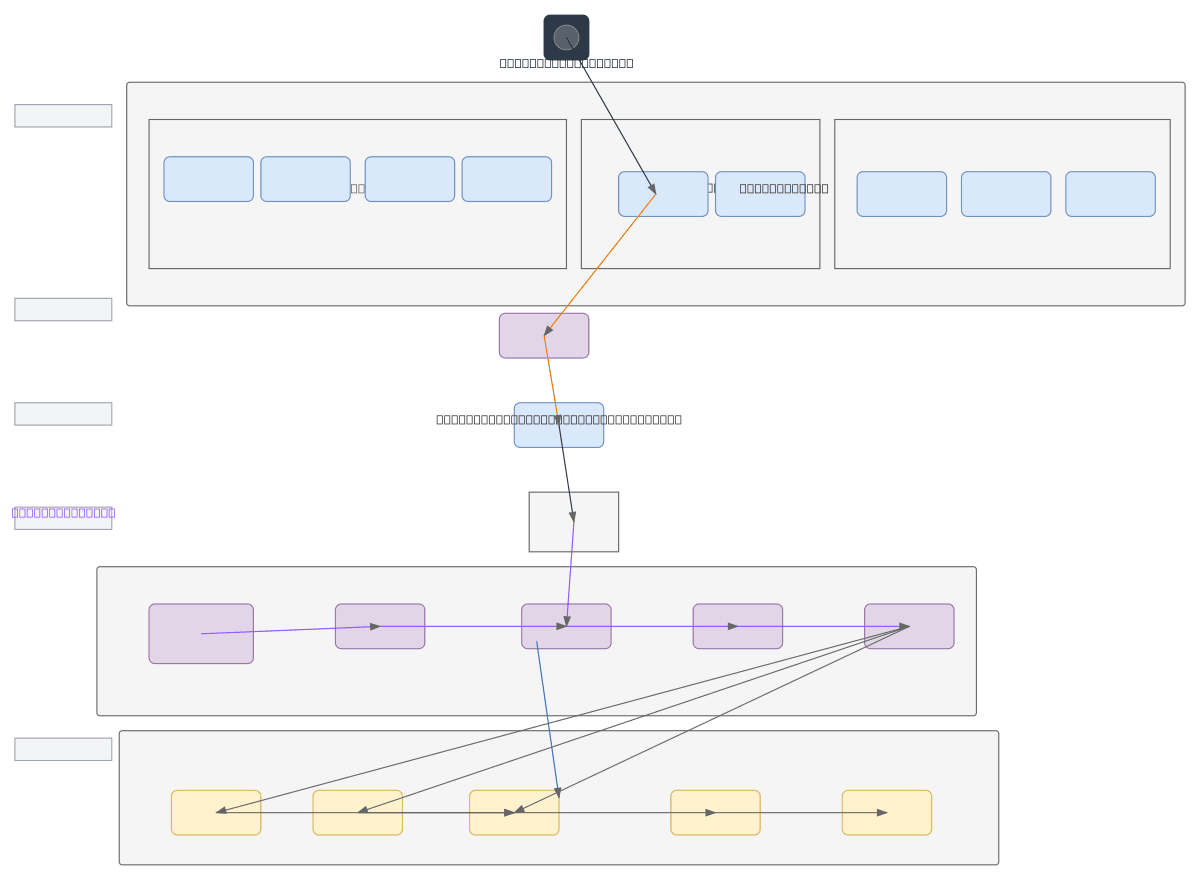
Real-time water quality monitoring system combining fluorescence biosensors, heavy metal ISE sensors, and environmental probes with edge AI/ML inference. Raw sensor data flows from ESP32/Arduino microcontrollers through WiFi/IoT connectivity to a hybrid AI/ML pipeline that fuses physics-based kinetic modeling with Random Forest classification. The pipeline extracts kinetic features (lag time, reaction rate, ratiometric values), applies noise filtering and normalization, then outputs bacterial concentration, heavy metal levels, and water safety classification (Safe/Moderate/Unsafe) to a real-time dashboard with alert triggers. This architecture demonstrates how to embed domain knowledge (fluorescence kinetics) alongside machine learning for accurate, interpretable water quality predictions at the edge.

People also ask

How do you build a real-time water quality monitoring system that combines IoT sensors with AI/ML for accurate bacterial and heavy metal detection?

This diagram shows a complete architecture where fluorescence biosensors, heavy metal ISE sensors, and environmental probes feed data through an ESP32/Arduino microcontroller to a hybrid AI/ML pipeline. The pipeline combines physics-based kinetic modeling with Random Forest classification, extracting features like lag time and reaction rate, then outputs water safety classifications and alerts in

IoTwater-qualityAI/MLedge-inferencesensor-fusionreal-time-monitoring
Domain:
Ml Pipeline
Audience:
IoT engineers and data scientists building real-time water quality monitoring systems with embedded ML

Generated by Diagrams.so — AI architecture diagram generator with native Draw.io output. Fork this diagram, remix it, or download as .drawio, PNG, or SVG.

Generate your own architecture diagram →

About This Architecture

Real-time water quality monitoring system combining fluorescence biosensors, heavy metal ISE sensors, and environmental probes with edge AI/ML inference. Raw sensor data flows from ESP32/Arduino microcontrollers through WiFi/IoT connectivity to a hybrid AI/ML pipeline that fuses physics-based kinetic modeling with Random Forest classification. The pipeline extracts kinetic features (lag time, reaction rate, ratiometric values), applies noise filtering and normalization, then outputs bacterial concentration, heavy metal levels, and water safety classification (Safe/Moderate/Unsafe) to a real-time dashboard with alert triggers. This architecture demonstrates how to embed domain knowledge (fluorescence kinetics) alongside machine learning for accurate, interpretable water quality predictions at the edge.

People also ask

How do you build a real-time water quality monitoring system that combines IoT sensors with AI/ML for accurate bacterial and heavy metal detection?

This diagram shows a complete architecture where fluorescence biosensors, heavy metal ISE sensors, and environmental probes feed data through an ESP32/Arduino microcontroller to a hybrid AI/ML pipeline. The pipeline combines physics-based kinetic modeling with Random Forest classification, extracting features like lag time and reaction rate, then outputs water safety classifications and alerts in

Real-Time Water Quality Monitoring with AI/ML

AutoadvancedIoTwater-qualityAI/MLedge-inferencesensor-fusionreal-time-monitoring
Domain: Ml PipelineAudience: IoT engineers and data scientists building real-time water quality monitoring systems with embedded ML
0 views0 favoritesPublic

Created by

April 18, 2026

Updated

April 18, 2026 at 3:39 AM

Type

architecture

Need a custom architecture diagram?

Describe your architecture in plain English and get a production-ready Draw.io diagram in seconds. Works for AWS, Azure, GCP, Kubernetes, and more.

Generate with AI