
About This Architecture
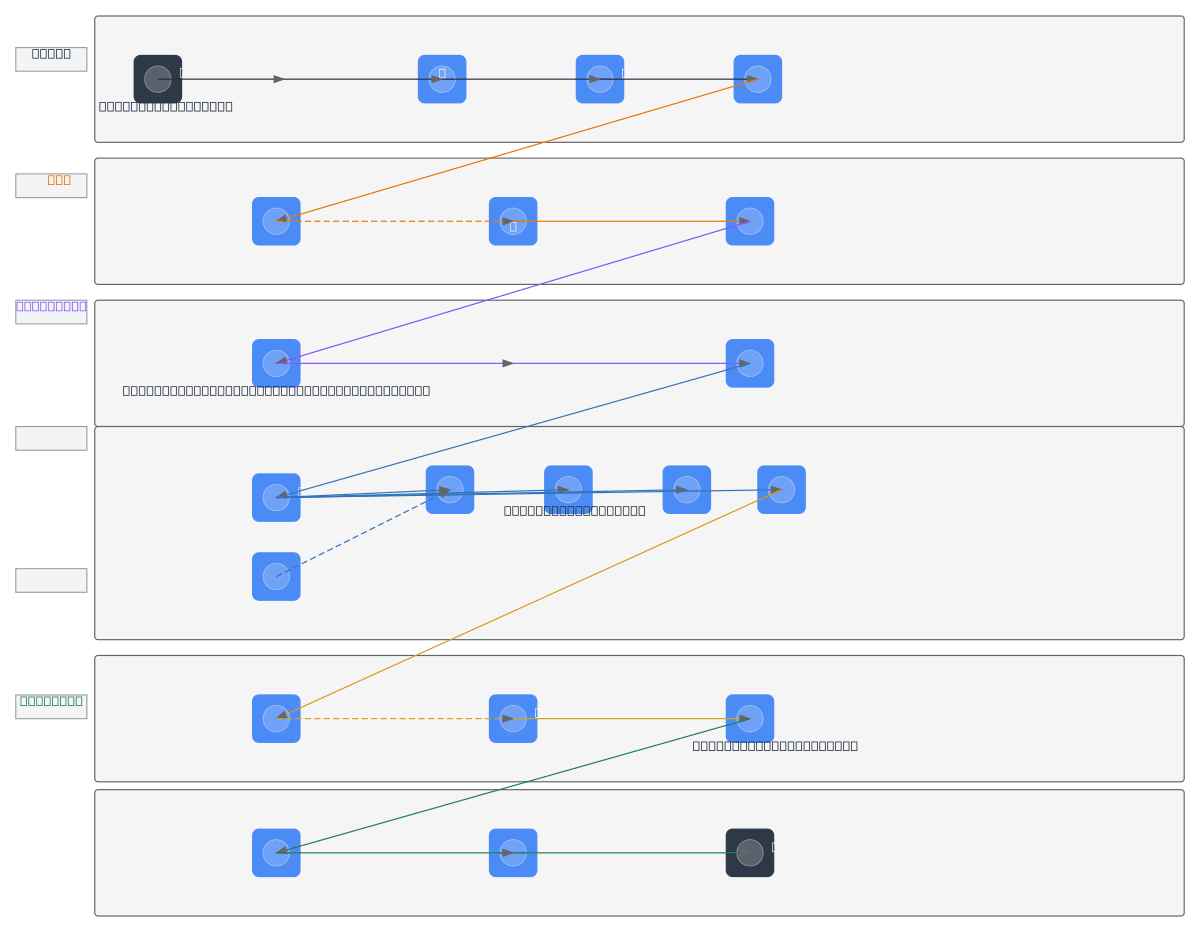
End-to-end pronunciation assessment pipeline combining audio preprocessing, speech-to-text transcription, phonetic alignment, and AI-driven mispronunciation detection. Audio flows from user microphone through PyAudio recording and Librosa feature extraction (MFCC, pitch, RMS, mel spectrograms) into dual STT options: local Whisper model or Google Cloud STT API. Phonetic conversion via CMU Pronouncing Dictionary generates ARPAbet sequences aligned against detected speech using wav2vec, SpeechBrain CAPT, and Speechocean models to identify substitutions, deletions, insertions, and stress errors. LoRA phi-4 deep model synthesizes accuracy scores, which pyttsx3 TTS converts into audio feedback played back to the user. This architecture demonstrates production-grade speech processing combining open-source and commercial components for scalable language learning applications. Fork and customize this diagram on Diagrams.so to adapt STT providers, phonetic databases, or scoring models for your specific language or assessment use case.