
About This Architecture
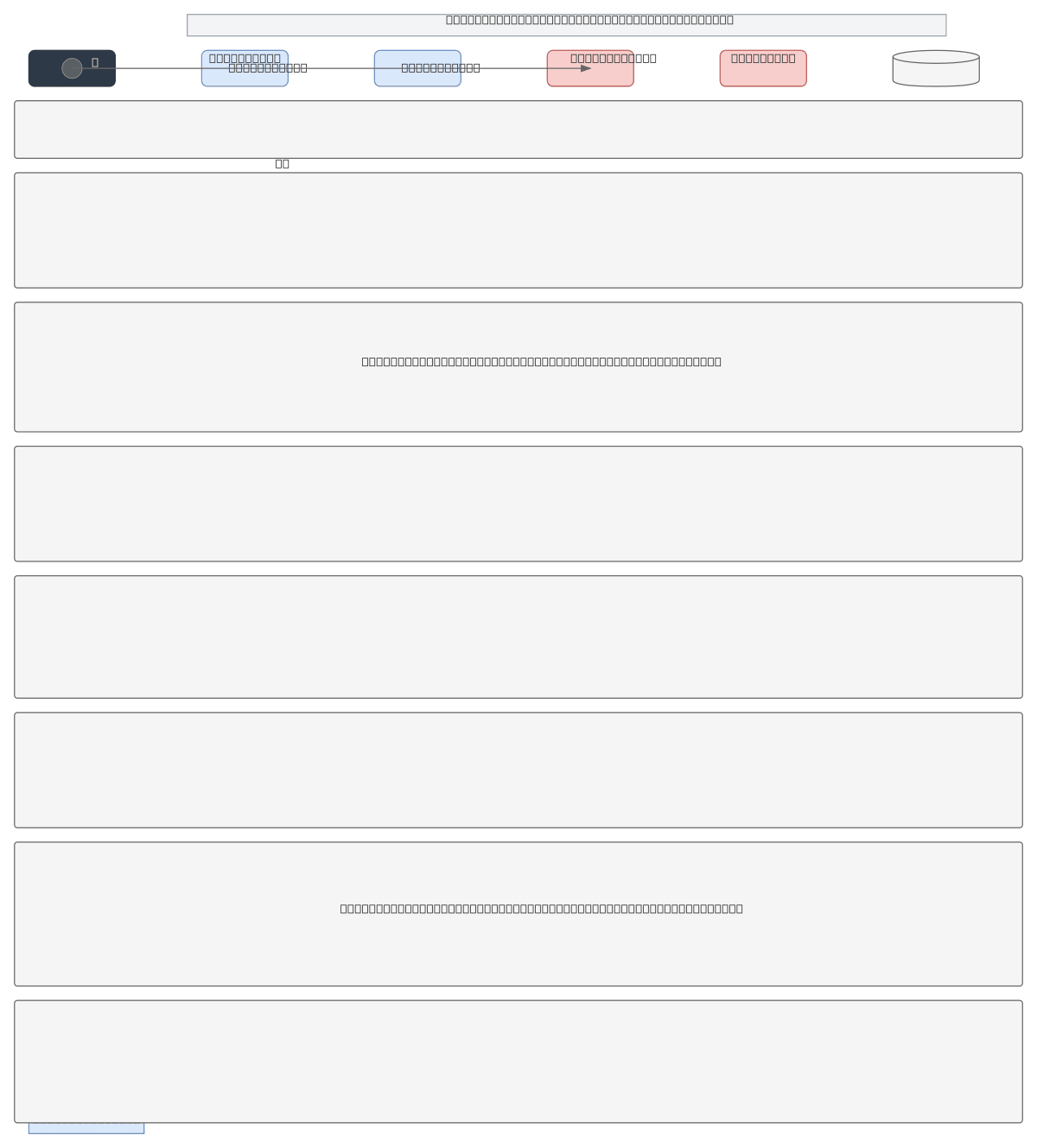
OTA Update Simulation with Attack Sequence Diagram models a comprehensive IoT firmware update security testbed spanning seven attack phases: protocol enrichment, normal operation, DDoS SYN floods, SQL injection intrusion, backdoor compromise, port scanning reconnaissance, and man-in-the-middle interception. The sequence orchestrates IoT Client and OTA Server interactions across dual ports (5000, 5001) while Attack Agent (Scapy/nmap) and mitmproxy (port 8080) inject adversarial traffic, with tshark capturing packet-level telemetry for dataset assembly. This architecture enables security teams to generate labeled attack datasets, validate intrusion detection models, and benchmark OTA protocol resilience under realistic threat conditions. Fork this diagram to customize attack payloads, adjust session counts, or integrate your own ML inference pipeline for real-time threat classification. The modular phase structure supports incremental testing and reproducible security validation workflows.