OpenShift 4.20.13 on VMware vSphere - ocpqa

KUBERNETESNetworkadvanced
OpenShift 4.20.13 on VMware vSphere - ocpqa — KUBERNETES network diagram

About This Architecture

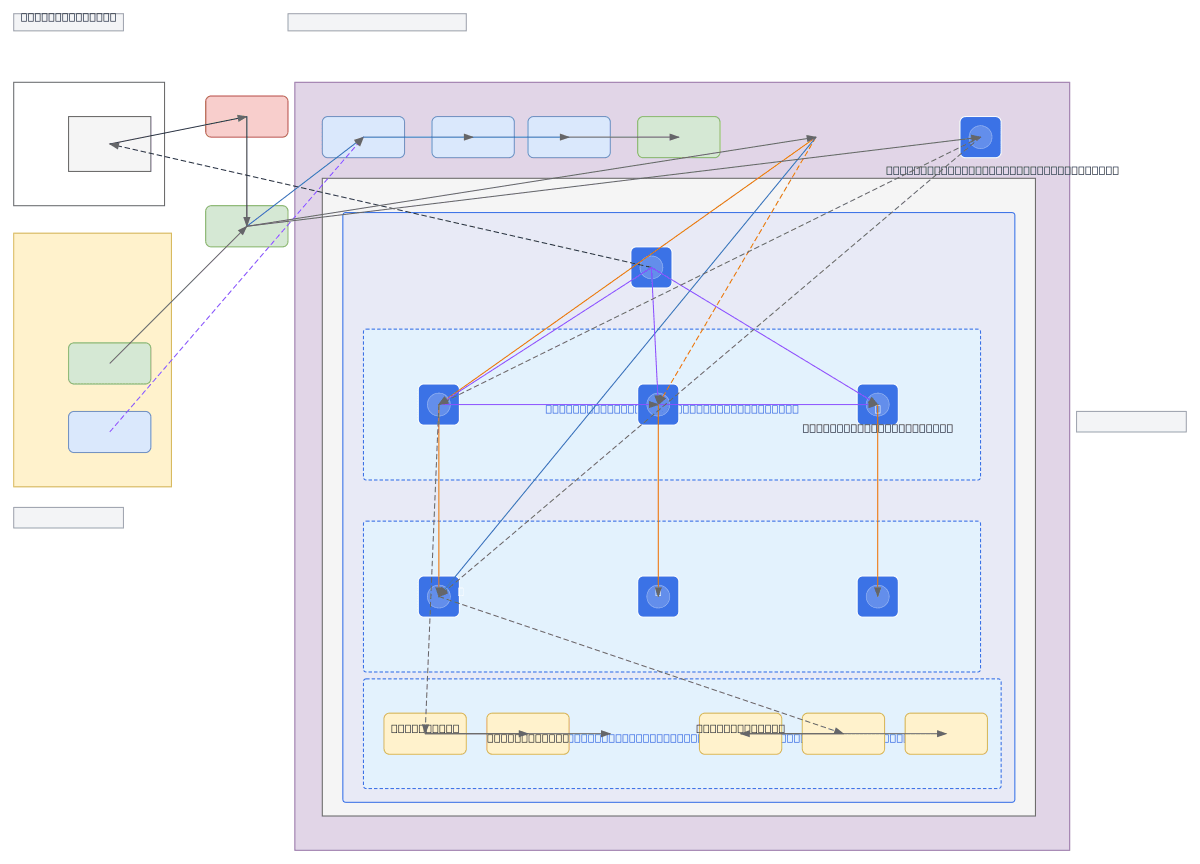
OpenShift 4.20.13 cluster deployed on VMware vSphere with a three-node control plane (ocpqa-master-0/1/2) and three-node compute plane (ocpqa-worker-0/1/2) running RHCOS, orchestrated through vCenter Server Appliance across ESXi hosts with vSAN/NFS datastore backing. Network traffic flows from Internet through Firewall and Load Balancer (VIPs) to the cluster, with DNS/DHCP and Bastion Host providing infrastructure support. The ocpqa-bootstrap node temporarily coordinates initial cluster formation and etcd quorum synchronization across control plane nodes. This architecture demonstrates enterprise-grade Kubernetes deployment patterns with high availability, network segmentation (DMZ, LAN, WAN zones), and vSphere resource pooling for production QA environments. Fork this diagram on Diagrams.so to customize node counts, storage backends, or network policies for your OpenShift deployment. The design isolates control and compute planes while maintaining secure external access through load-balanced VIPs.

People also ask

How do you deploy OpenShift 4.20 on VMware vSphere with high availability and proper network segmentation?

This diagram shows a production-ready OpenShift 4.20.13 cluster on vSphere with three control plane nodes (ocpqa-master-0/1/2) running etcd quorum, three compute nodes (ocpqa-worker-0/1/2) for workloads, and vCenter Server Appliance managing ESXi hosts. Load Balancer VIPs distribute traffic to control and compute planes, while DNS/DHCP, Bastion Host, and Firewall provide infrastructure services ac

OpenShiftKubernetesVMware vSpherevCenterRHCOSHigh Availability
Domain:
Kubernetes
Audience:
Kubernetes platform engineers deploying OpenShift on vSphere infrastructure

Generated by Diagrams.so — AI architecture diagram generator with native Draw.io output. Fork this diagram, remix it, or download as .drawio, PNG, or SVG.

Generate your own network diagram →

About This Architecture

OpenShift 4.20.13 cluster deployed on VMware vSphere with a three-node control plane (ocpqa-master-0/1/2) and three-node compute plane (ocpqa-worker-0/1/2) running RHCOS, orchestrated through vCenter Server Appliance across ESXi hosts with vSAN/NFS datastore backing. Network traffic flows from Internet through Firewall and Load Balancer (VIPs) to the cluster, with DNS/DHCP and Bastion Host providing infrastructure support. The ocpqa-bootstrap node temporarily coordinates initial cluster formation and etcd quorum synchronization across control plane nodes. This architecture demonstrates enterprise-grade Kubernetes deployment patterns with high availability, network segmentation (DMZ, LAN, WAN zones), and vSphere resource pooling for production QA environments. Fork this diagram on Diagrams.so to customize node counts, storage backends, or network policies for your OpenShift deployment. The design isolates control and compute planes while maintaining secure external access through load-balanced VIPs.

People also ask

How do you deploy OpenShift 4.20 on VMware vSphere with high availability and proper network segmentation?

This diagram shows a production-ready OpenShift 4.20.13 cluster on vSphere with three control plane nodes (ocpqa-master-0/1/2) running etcd quorum, three compute nodes (ocpqa-worker-0/1/2) for workloads, and vCenter Server Appliance managing ESXi hosts. Load Balancer VIPs distribute traffic to control and compute planes, while DNS/DHCP, Bastion Host, and Firewall provide infrastructure services ac

OpenShift 4.20.13 on VMware vSphere - ocpqa

KubernetesadvancedOpenShiftVMware vSpherevCenterRHCOSHigh Availability
Domain: KubernetesAudience: Kubernetes platform engineers deploying OpenShift on vSphere infrastructure
0 views0 favoritesPublic

Created by

April 17, 2026

Updated

April 17, 2026 at 4:44 PM

Type

network

Need a custom architecture diagram?

Describe your architecture in plain English and get a production-ready Draw.io diagram in seconds. Works for AWS, Azure, GCP, Kubernetes, and more.

Generate with AI