
About This Architecture
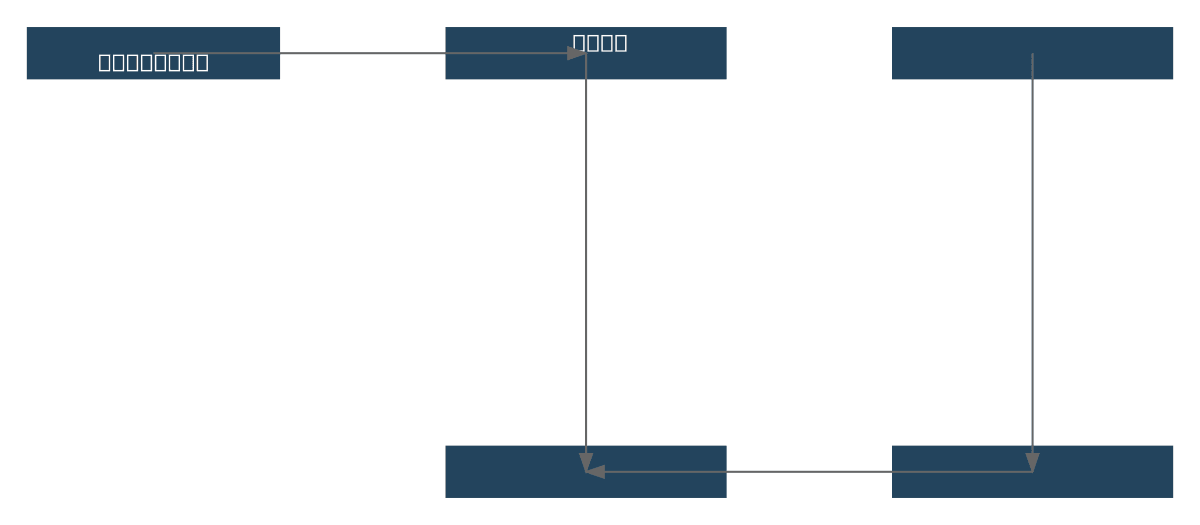
Entity-relationship diagram modeling a library system with five core entities: BORROWER, LOAN, COPY, EDITION, and BOOK, connected through primary and foreign keys. Borrowers initiate loans, each loan references one or more copies, copies belong to specific editions, and editions link to books with metadata like title, author, ISBN, and genre. This normalized schema enforces referential integrity and supports queries for inventory tracking, loan history, and borrower management. Fork this diagram on Diagrams.so to customize for your library database, add constraints, or export as SQL DDL. The one-to-many relationships between borrowers and loans, and books through editions to copies, reflect real-world library operations where multiple copies of an edition exist and borrowers check out multiple items.