IoT TinyML IDS with Federated Learning and

AWSSequenceadvanced
IoT TinyML IDS with Federated Learning and — AWS sequence diagram

About This Architecture

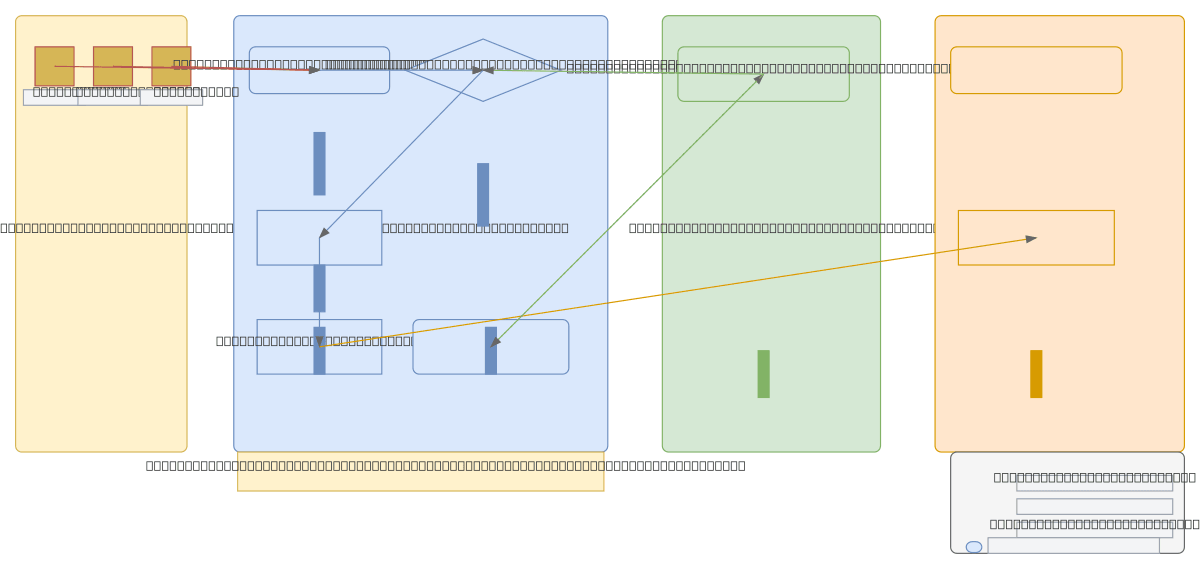
Privacy-preserving IoT intrusion detection system combining TinyML inference on edge devices with federated learning and blockchain tamper-evidence. Raw sensor data from smart cameras, thermostats, and sensor nodes flows through feature extraction and TensorFlow Lite quantized models on a Raspberry Pi 4 gateway, generating local alerts logged to JSON. Flower federated learning framework trains model weights across distributed edge nodes without centralizing raw data, while Merkle tree hashing and Ethereum smart contracts anchor detection logs to an immutable ledger. This architecture demonstrates zero-trust IoT security: raw data never leaves the edge, only model weights and cryptographic proofs traverse the cloud and blockchain layers. Fork and customize this diagram on Diagrams.so to adapt threat models, add additional sensor types, or integrate with AWS IoT Core and SageMaker for production deployments.

People also ask

How can I build a privacy-preserving intrusion detection system for IoT devices that keeps raw data on the edge while using federated learning?

This diagram shows a complete IoT IDS architecture where raw sensor data stays on Raspberry Pi gateways running TensorFlow Lite models, while only model weights are shared via Flower federated learning and detection logs are anchored to Ethereum via Merkle trees. This approach eliminates centralized data collection, satisfies privacy regulations, and enables collaborative threat detection across d

IoT SecurityFederated LearningTinyMLEdge ComputingBlockchainIntrusion Detection
Domain:
Ml Pipeline
Audience:
IoT security architects and ML engineers building privacy-preserving intrusion detection systems

Generated by Diagrams.so — AI architecture diagram generator with native Draw.io output. Fork this diagram, remix it, or download as .drawio, PNG, or SVG.

Generate your own sequence diagram →

About This Architecture

Privacy-preserving IoT intrusion detection system combining TinyML inference on edge devices with federated learning and blockchain tamper-evidence. Raw sensor data from smart cameras, thermostats, and sensor nodes flows through feature extraction and TensorFlow Lite quantized models on a Raspberry Pi 4 gateway, generating local alerts logged to JSON. Flower federated learning framework trains model weights across distributed edge nodes without centralizing raw data, while Merkle tree hashing and Ethereum smart contracts anchor detection logs to an immutable ledger. This architecture demonstrates zero-trust IoT security: raw data never leaves the edge, only model weights and cryptographic proofs traverse the cloud and blockchain layers. Fork and customize this diagram on Diagrams.so to adapt threat models, add additional sensor types, or integrate with AWS IoT Core and SageMaker for production deployments.

People also ask

How can I build a privacy-preserving intrusion detection system for IoT devices that keeps raw data on the edge while using federated learning?

This diagram shows a complete IoT IDS architecture where raw sensor data stays on Raspberry Pi gateways running TensorFlow Lite models, while only model weights are shared via Flower federated learning and detection logs are anchored to Ethereum via Merkle trees. This approach eliminates centralized data collection, satisfies privacy regulations, and enables collaborative threat detection across d

IoT TinyML IDS with Federated Learning and

AWSadvancedIoT SecurityFederated LearningTinyMLEdge ComputingBlockchainIntrusion Detection
Domain: Ml PipelineAudience: IoT security architects and ML engineers building privacy-preserving intrusion detection systems
0 views0 favoritesPublic

Created by

May 12, 2026

Updated

May 12, 2026 at 8:39 AM

Type

sequence

Need a custom architecture diagram?

Describe your architecture in plain English and get a production-ready Draw.io diagram in seconds. Works for AWS, Azure, GCP, Kubernetes, and more.

Generate with AI