IoT Solar Tracking System Architecture

GENERALArchitectureintermediate
IoT Solar Tracking System Architecture — GENERAL architecture diagram

About This Architecture

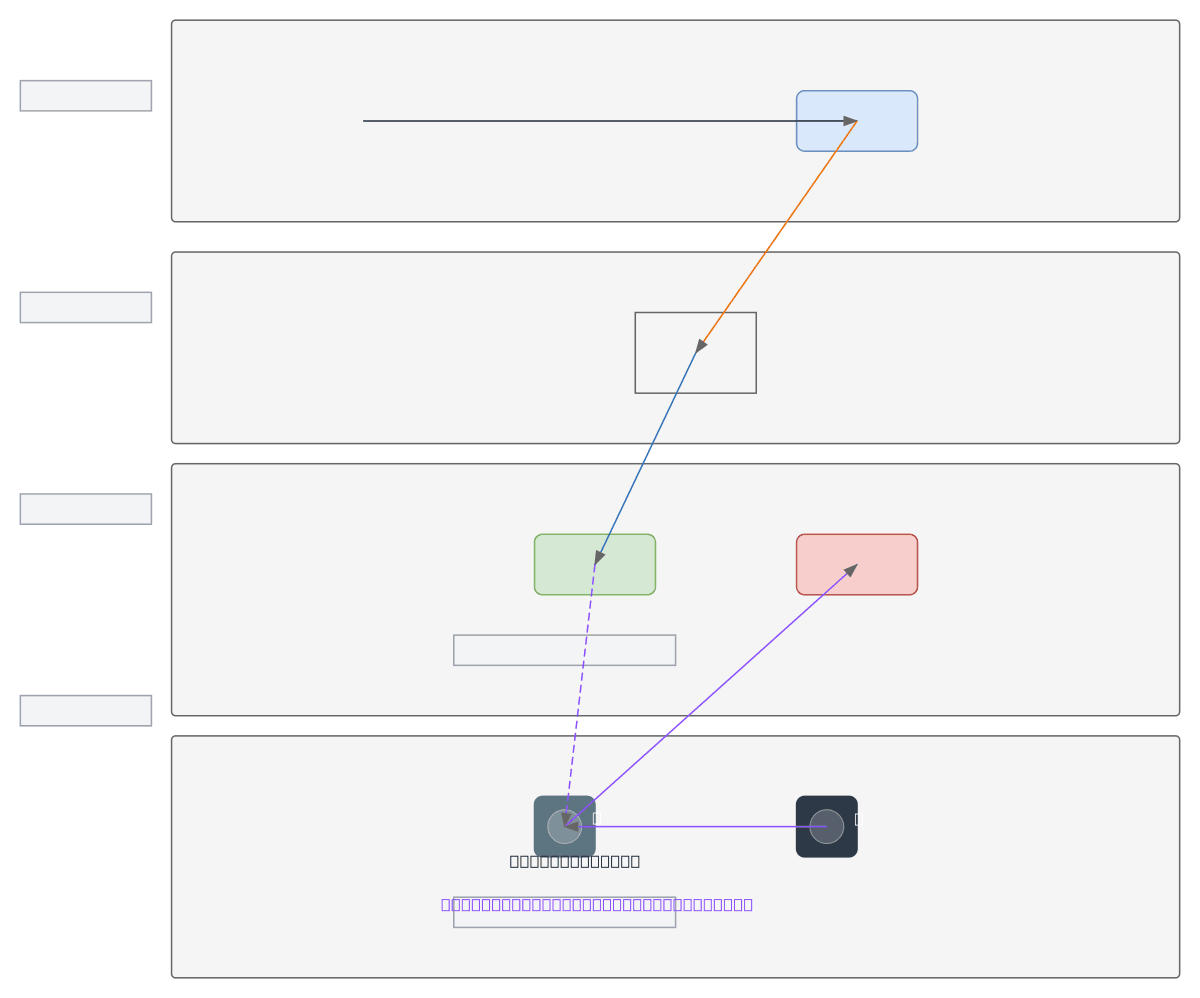
IoT solar tracking system using dual LDR sensors connected to an ESP32 microcontroller that streams light intensity data via WiFi to Firebase Realtime Database. The architecture captures left and right sensor readings with timestamps, enabling real-time synchronization to a web dashboard authenticated through Firebase Auth. This four-layer design separates hardware acquisition, wireless communication, cloud persistence, and user-facing visualization, making it ideal for prototyping autonomous solar panel positioning systems. Fork and customize this diagram on Diagrams.so to adapt sensor types, add servo motor control logic, or integrate additional cloud backends. The pattern demonstrates best practices for edge-to-cloud IoT pipelines where low-latency sensor fusion and live dashboards are critical.

People also ask

How do I build a real-time IoT system that streams sensor data from an ESP32 microcontroller to a Firebase dashboard?

This diagram shows a four-layer architecture where dual LDR sensors feed light intensity data to an ESP32 microcontroller, which transmits readings via WiFi to Firebase Realtime Database. The database syncs live values to a web dashboard protected by Firebase Auth, enabling remote monitoring of solar panel positioning in real time.

IoTFirebaseESP32Real-time DatabaseSensor IntegrationWeb Dashboard
Domain:
Iot Pipeline
Audience:
IoT engineers building real-time sensor monitoring systems with Firebase and microcontrollers

Generated by Diagrams.so — AI architecture diagram generator with native Draw.io output. Fork this diagram, remix it, or download as .drawio, PNG, or SVG.

Generate your own architecture diagram →

About This Architecture

IoT solar tracking system using dual LDR sensors connected to an ESP32 microcontroller that streams light intensity data via WiFi to Firebase Realtime Database. The architecture captures left and right sensor readings with timestamps, enabling real-time synchronization to a web dashboard authenticated through Firebase Auth. This four-layer design separates hardware acquisition, wireless communication, cloud persistence, and user-facing visualization, making it ideal for prototyping autonomous solar panel positioning systems. Fork and customize this diagram on Diagrams.so to adapt sensor types, add servo motor control logic, or integrate additional cloud backends. The pattern demonstrates best practices for edge-to-cloud IoT pipelines where low-latency sensor fusion and live dashboards are critical.

People also ask

How do I build a real-time IoT system that streams sensor data from an ESP32 microcontroller to a Firebase dashboard?

This diagram shows a four-layer architecture where dual LDR sensors feed light intensity data to an ESP32 microcontroller, which transmits readings via WiFi to Firebase Realtime Database. The database syncs live values to a web dashboard protected by Firebase Auth, enabling remote monitoring of solar panel positioning in real time.

IoT Solar Tracking System Architecture

AutointermediateIoTFirebaseESP32Real-time DatabaseSensor IntegrationWeb Dashboard
Domain: Iot PipelineAudience: IoT engineers building real-time sensor monitoring systems with Firebase and microcontrollers
0 views0 favoritesPublic

Created by

April 22, 2026

Updated

April 22, 2026 at 7:01 PM

Type

architecture

Need a custom architecture diagram?

Describe your architecture in plain English and get a production-ready Draw.io diagram in seconds. Works for AWS, Azure, GCP, Kubernetes, and more.

Generate with AI