IoT OTA Simulation with Attack Injection and

GENERALNetworkadvanced
IoT OTA Simulation with Attack Injection and — GENERAL network diagram

About This Architecture

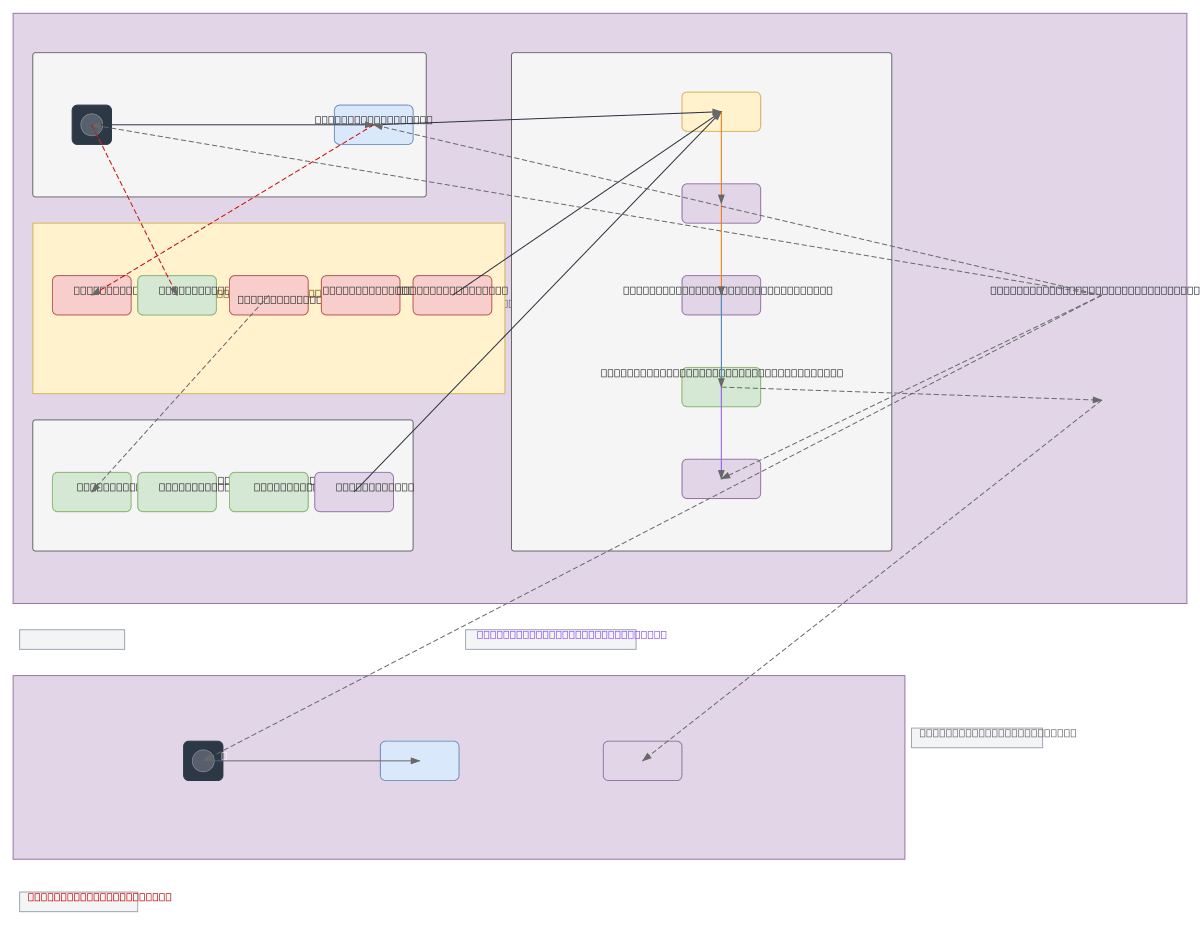
IoT OTA simulation with integrated attack injection and ML-based threat detection across four operational tiers. The architecture chains a Python IoT client and Flask OTA server through multiple attack vectors—DDoS via Scapy, reconnaissance via nmap, MITM via mitmproxy, and Python-based intrusion and backdoor payloads—while background traffic layers (ARP, ICMP, DNS, MQTT) provide realistic network noise. tshark captures loopback traffic, segments 120 sessions, extracts 38 features, and feeds a pre-trained XGBoost model to evaluate detection accuracy. This end-to-end pipeline demonstrates how to generate labeled security datasets and validate anomaly detection in IoT environments without risking production systems.

People also ask

How do I build a complete IoT intrusion detection system with attack simulation and machine learning evaluation?

This diagram shows a four-tier architecture: a simulation layer with Python IoT client and Flask OTA server, an attack injection layer deploying DDoS, reconnaissance, MITM, and backdoor payloads, a background traffic layer adding realistic network noise, and a capture-and-ML pipeline using tshark to record traffic, segment 120 sessions, extract 38 features, and evaluate a pre-trained XGBoost model

IoT securityintrusion detectionmachine learningnetwork simulationattack injectionXGBoost
Domain:
Security
Audience:
security engineers and ML practitioners building IoT intrusion detection systems

Generated by Diagrams.so — AI architecture diagram generator with native Draw.io output. Fork this diagram, remix it, or download as .drawio, PNG, or SVG.

Generate your own network diagram →

About This Architecture

IoT OTA simulation with integrated attack injection and ML-based threat detection across four operational tiers. The architecture chains a Python IoT client and Flask OTA server through multiple attack vectors—DDoS via Scapy, reconnaissance via nmap, MITM via mitmproxy, and Python-based intrusion and backdoor payloads—while background traffic layers (ARP, ICMP, DNS, MQTT) provide realistic network noise. tshark captures loopback traffic, segments 120 sessions, extracts 38 features, and feeds a pre-trained XGBoost model to evaluate detection accuracy. This end-to-end pipeline demonstrates how to generate labeled security datasets and validate anomaly detection in IoT environments without risking production systems.

People also ask

How do I build a complete IoT intrusion detection system with attack simulation and machine learning evaluation?

This diagram shows a four-tier architecture: a simulation layer with Python IoT client and Flask OTA server, an attack injection layer deploying DDoS, reconnaissance, MITM, and backdoor payloads, a background traffic layer adding realistic network noise, and a capture-and-ML pipeline using tshark to record traffic, segment 120 sessions, extract 38 features, and evaluate a pre-trained XGBoost model

IoT OTA Simulation with Attack Injection and

AutoadvancedIoT securityintrusion detectionmachine learningnetwork simulationattack injectionXGBoost
Domain: SecurityAudience: security engineers and ML practitioners building IoT intrusion detection systems
0 views0 favoritesPublic

Created by

May 16, 2026

Updated

May 16, 2026 at 10:55 AM

Type

network

Need a custom architecture diagram?

Describe your architecture in plain English and get a production-ready Draw.io diagram in seconds. Works for AWS, Azure, GCP, Kubernetes, and more.

Generate with AI