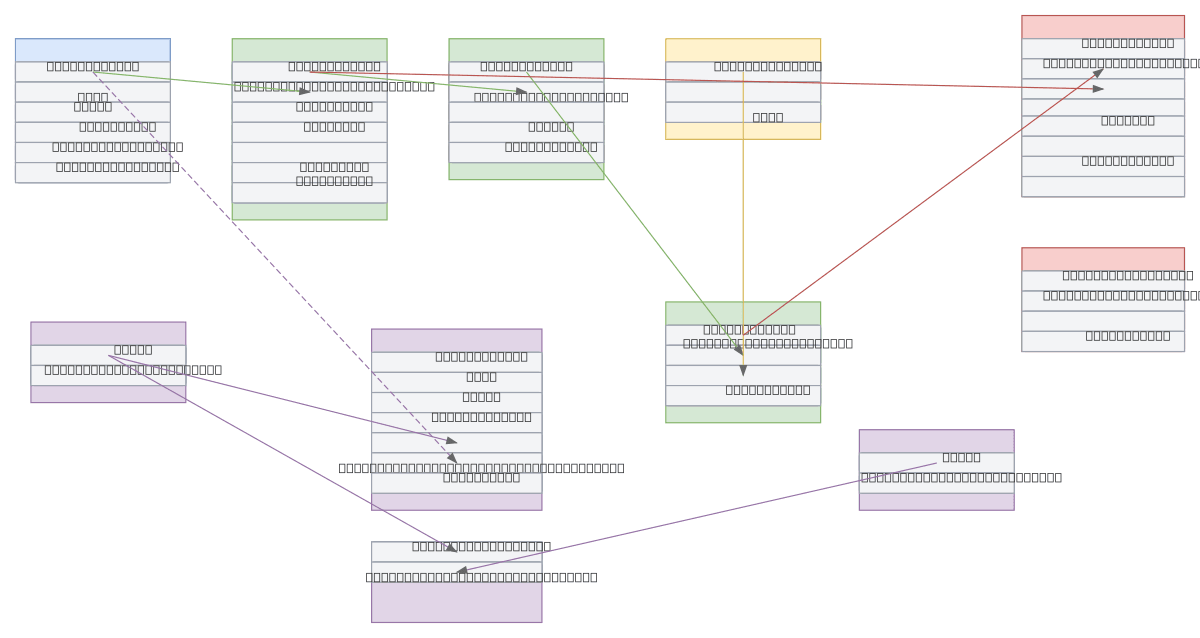
IoT Agricultural Monitoring ERD with RBAC

GENERALErintermediate
IoT Agricultural Monitoring ERD with RBAC — GENERAL er diagram

About This Architecture

IoT agricultural monitoring system with role-based access control (RBAC) spanning Customers, Fields, Devices, Sensors, SensorReadings, Alerts, Users, Roles, and Permissions tables. Data flows from physical sensors attached to devices in customer fields, through SensorTypes and SensorReadings, triggering Alerts based on thresholds. RBAC layer enforces least-privilege access: Admin users (customer_id = NULL) manage all Customers, while Customer users access only their own Fields and Devices. This architecture demonstrates multi-tenant IoT data isolation with granular permission control critical for agricultural SaaS platforms. Fork this ERD on Diagrams.so to customize entity relationships, add audit logging tables, or extend permission scopes for field managers and agronomists. Consider adding a DeviceGroups table for bulk sensor management and a SensorCalibration table for accuracy tracking in production deployments.

People also ask

How do I design a database schema for an IoT agricultural monitoring platform with role-based access control and multi-tenant isolation?

This ERD demonstrates a production-ready schema with Customers owning Fields containing Devices with Sensors that generate SensorReadings and Alerts. RBAC is enforced through Users linked to Roles, which grant Permissions, ensuring Admin users (customer_id = NULL) manage all tenants while Customer users access only their own data. The design isolates sensor data by customer and field, enabling sec

IoTAgricultural TechnologyDatabase DesignRBACMulti-tenant ArchitectureERD
Domain:
Data Engineering
Audience:
Backend engineers designing IoT agricultural platforms with role-based access control

Generated by Diagrams.so — AI architecture diagram generator with native Draw.io output. Fork this diagram, remix it, or download as .drawio, PNG, or SVG.

Generate your own er diagram →

About This Architecture

IoT agricultural monitoring system with role-based access control (RBAC) spanning Customers, Fields, Devices, Sensors, SensorReadings, Alerts, Users, Roles, and Permissions tables. Data flows from physical sensors attached to devices in customer fields, through SensorTypes and SensorReadings, triggering Alerts based on thresholds. RBAC layer enforces least-privilege access: Admin users (customer_id = NULL) manage all Customers, while Customer users access only their own Fields and Devices. This architecture demonstrates multi-tenant IoT data isolation with granular permission control critical for agricultural SaaS platforms. Fork this ERD on Diagrams.so to customize entity relationships, add audit logging tables, or extend permission scopes for field managers and agronomists. Consider adding a DeviceGroups table for bulk sensor management and a SensorCalibration table for accuracy tracking in production deployments.

People also ask

How do I design a database schema for an IoT agricultural monitoring platform with role-based access control and multi-tenant isolation?

This ERD demonstrates a production-ready schema with Customers owning Fields containing Devices with Sensors that generate SensorReadings and Alerts. RBAC is enforced through Users linked to Roles, which grant Permissions, ensuring Admin users (customer_id = NULL) manage all tenants while Customer users access only their own data. The design isolates sensor data by customer and field, enabling sec

IoT Agricultural Monitoring ERD with RBAC

AutointermediateIoTAgricultural TechnologyDatabase DesignRBACMulti-tenant ArchitectureERD
Domain: Data EngineeringAudience: Backend engineers designing IoT agricultural platforms with role-based access control
0 views0 favoritesPublic

Created by

April 29, 2026

Updated

April 29, 2026 at 10:40 AM

Type

er

Need a custom architecture diagram?

Describe your architecture in plain English and get a production-ready Draw.io diagram in seconds. Works for AWS, Azure, GCP, Kubernetes, and more.

Generate with AI