Hand Gesture Slide and Mouse Controller - ESP32

GENERALArchitectureintermediate
Hand Gesture Slide and Mouse Controller - ESP32 — GENERAL architecture diagram

About This Architecture

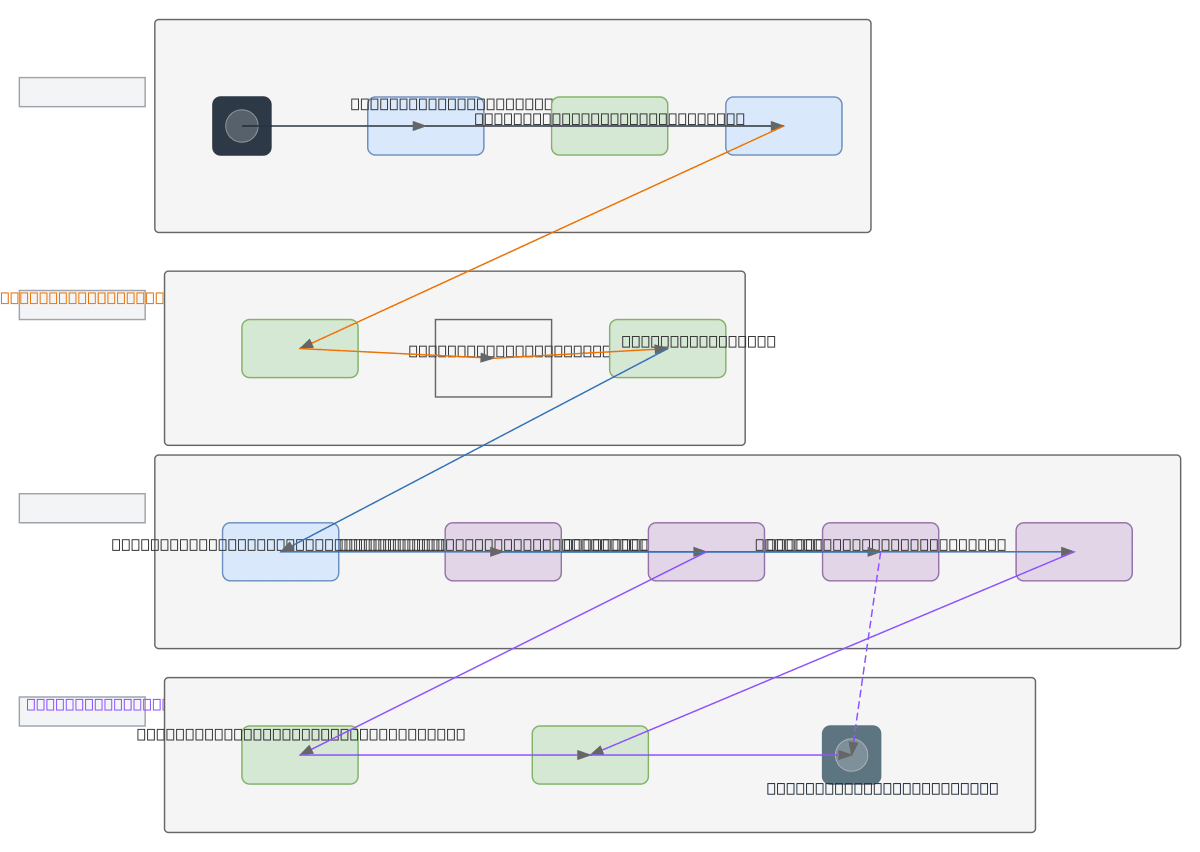
Hand gesture slide and mouse controller using ESP32 microcontroller with MPU6050 inertial measurement sensor mounted on a wrist-worn glove. Sensor data streams via WiFi to a local WebSocket server running Node.js or Python Flask, where a gesture parser interprets motion commands and routes them to slide control and mouse pointer logic. The architecture bridges gesture input to PowerPoint via COM/API integration and simultaneous web UI display, enabling wireless presentation control from hand movements alone. Fork this diagram on Diagrams.so to customize sensor types, add alternative gesture recognition models, or adapt the WebSocket protocol for your embedded platform. This pattern demonstrates edge computing principles by processing raw IMU data locally before transmission, reducing latency and network bandwidth for real-time interaction.

People also ask

How do I build a wireless hand gesture controller for PowerPoint presentations using ESP32 and motion sensors?

This diagram shows a complete IoT pipeline: a wrist-mounted glove with MPU6050 sensor connects to an ESP32 microcontroller, which transmits gesture data via WiFi to a local WebSocket server. The server runs a gesture parser that interprets motion commands and routes them to PowerPoint COM/API bridge and mouse controller logic, enabling gesture-based slide navigation and pointer control.

ESP32IoTgesture recognitionembedded systemsWebSocketPowerPoint automation
Domain:
Iot Embedded
Audience:
embedded systems engineers and IoT developers building gesture-controlled applications

Generated by Diagrams.so — AI architecture diagram generator with native Draw.io output. Fork this diagram, remix it, or download as .drawio, PNG, or SVG.

Generate your own architecture diagram →

About This Architecture

Hand gesture slide and mouse controller using ESP32 microcontroller with MPU6050 inertial measurement sensor mounted on a wrist-worn glove. Sensor data streams via WiFi to a local WebSocket server running Node.js or Python Flask, where a gesture parser interprets motion commands and routes them to slide control and mouse pointer logic. The architecture bridges gesture input to PowerPoint via COM/API integration and simultaneous web UI display, enabling wireless presentation control from hand movements alone. Fork this diagram on Diagrams.so to customize sensor types, add alternative gesture recognition models, or adapt the WebSocket protocol for your embedded platform. This pattern demonstrates edge computing principles by processing raw IMU data locally before transmission, reducing latency and network bandwidth for real-time interaction.

People also ask

How do I build a wireless hand gesture controller for PowerPoint presentations using ESP32 and motion sensors?

This diagram shows a complete IoT pipeline: a wrist-mounted glove with MPU6050 sensor connects to an ESP32 microcontroller, which transmits gesture data via WiFi to a local WebSocket server. The server runs a gesture parser that interprets motion commands and routes them to PowerPoint COM/API bridge and mouse controller logic, enabling gesture-based slide navigation and pointer control.

Hand Gesture Slide and Mouse Controller - ESP32

AutointermediateESP32IoTgesture recognitionembedded systemsWebSocketPowerPoint automation
Domain: Iot EmbeddedAudience: embedded systems engineers and IoT developers building gesture-controlled applications
0 views0 favoritesPublic

Created by

May 15, 2026

Updated

May 15, 2026 at 9:46 AM

Type

architecture

Need a custom architecture diagram?

Describe your architecture in plain English and get a production-ready Draw.io diagram in seconds. Works for AWS, Azure, GCP, Kubernetes, and more.

Generate with AI