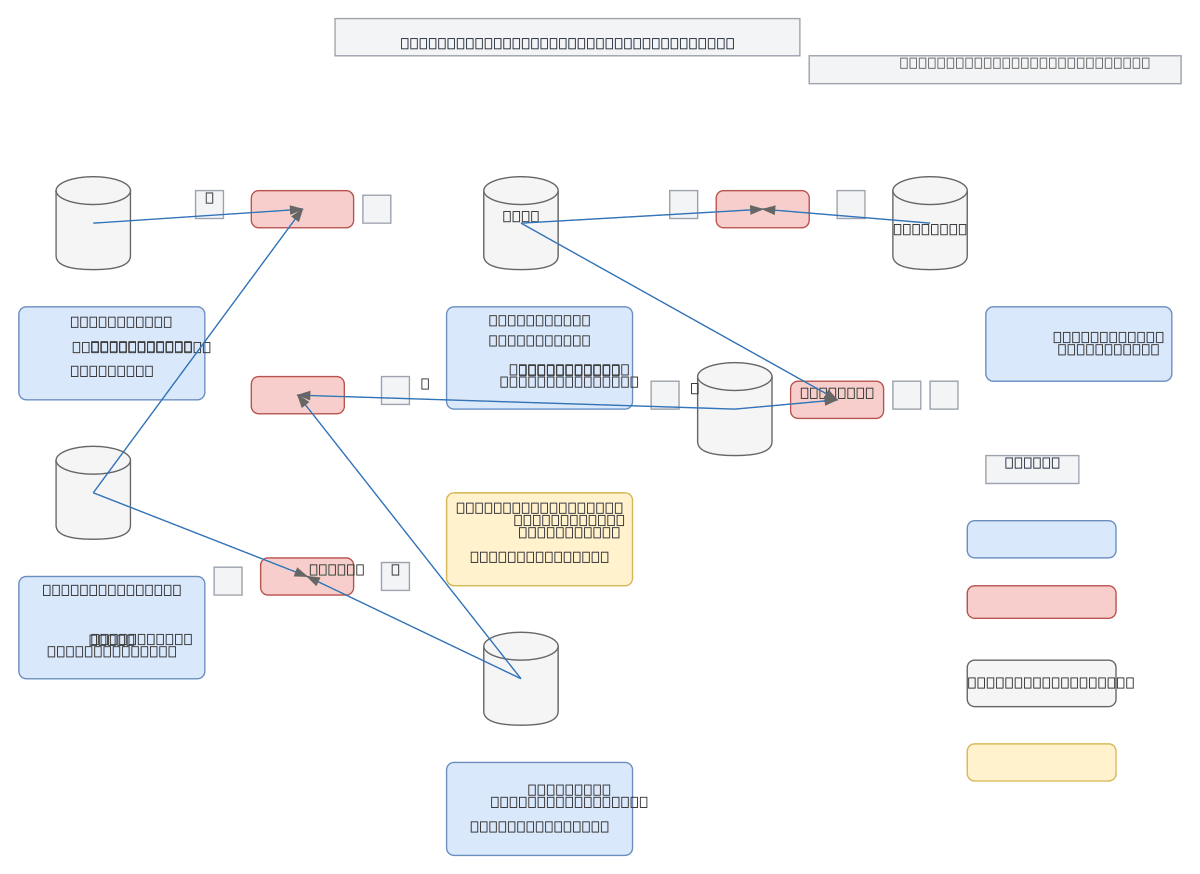
GamerHub Digital Storefront ER Diagram

GENERALArchitectureintermediate
GamerHub Digital Storefront ER Diagram — GENERAL architecture diagram

About This Architecture

GamerHub Digital Storefront ER diagram models a complete game marketplace with five core entities: CUSTOMER, GAME, CATEGORY, ORDER, and SHOPPING_CART, connected through normalized relationships. Customers place orders containing multiple games via ORDER_DETAIL, while SHOPPING_CART enables persistent cart functionality with quantity tracking and timestamps. The schema enforces referential integrity through foreign keys, supports multi-currency pricing in JOD, and maintains inventory via StockQuantity, making it ideal for indie game platforms and regional digital storefronts. Fork this diagram on Diagrams.so to customize entity attributes, add payment methods, or extend with user reviews and wishlists. The 1:N cardinality between CUSTOMER and ORDER, and between ORDER and ORDER_DETAIL, reflects typical e-commerce transaction patterns while SHOPPING_CART's independent relationship enables abandoned cart recovery workflows.

People also ask

How should I structure a database schema for a digital game storefront with shopping cart and order management?

The GamerHub ER diagram demonstrates a normalized schema with CUSTOMER placing multiple ORDERs, each containing ORDER_DETAIL records linking to GAMES organized by CATEGORY. SHOPPING_CART operates independently, allowing customers to add games before checkout. This design supports inventory tracking, multi-currency pricing in JOD, and abandoned cart recovery.

ER diagramdatabase designe-commercegame storefrontentity relationship modelschema design
Domain:
Software Architecture
Audience:
database architects and e-commerce backend engineers designing digital game storefronts

Generated by Diagrams.so — AI architecture diagram generator with native Draw.io output. Fork this diagram, remix it, or download as .drawio, PNG, or SVG.

Generate your own architecture diagram →

About This Architecture

GamerHub Digital Storefront ER diagram models a complete game marketplace with five core entities: CUSTOMER, GAME, CATEGORY, ORDER, and SHOPPING_CART, connected through normalized relationships. Customers place orders containing multiple games via ORDER_DETAIL, while SHOPPING_CART enables persistent cart functionality with quantity tracking and timestamps. The schema enforces referential integrity through foreign keys, supports multi-currency pricing in JOD, and maintains inventory via StockQuantity, making it ideal for indie game platforms and regional digital storefronts. Fork this diagram on Diagrams.so to customize entity attributes, add payment methods, or extend with user reviews and wishlists. The 1:N cardinality between CUSTOMER and ORDER, and between ORDER and ORDER_DETAIL, reflects typical e-commerce transaction patterns while SHOPPING_CART's independent relationship enables abandoned cart recovery workflows.

People also ask

How should I structure a database schema for a digital game storefront with shopping cart and order management?

The GamerHub ER diagram demonstrates a normalized schema with CUSTOMER placing multiple ORDERs, each containing ORDER_DETAIL records linking to GAMES organized by CATEGORY. SHOPPING_CART operates independently, allowing customers to add games before checkout. This design supports inventory tracking, multi-currency pricing in JOD, and abandoned cart recovery.

GamerHub Digital Storefront ER Diagram

AutointermediateER diagramdatabase designe-commercegame storefrontentity relationship modelschema design
Domain: Software ArchitectureAudience: database architects and e-commerce backend engineers designing digital game storefronts
0 views0 favoritesPublic

Created by

April 16, 2026

Updated

April 16, 2026 at 4:07 PM

Type

architecture

Need a custom architecture diagram?

Describe your architecture in plain English and get a production-ready Draw.io diagram in seconds. Works for AWS, Azure, GCP, Kubernetes, and more.

Generate with AI