FlyHigh Sinergi - Technology Architecture Target
GENERALCicdintermediate
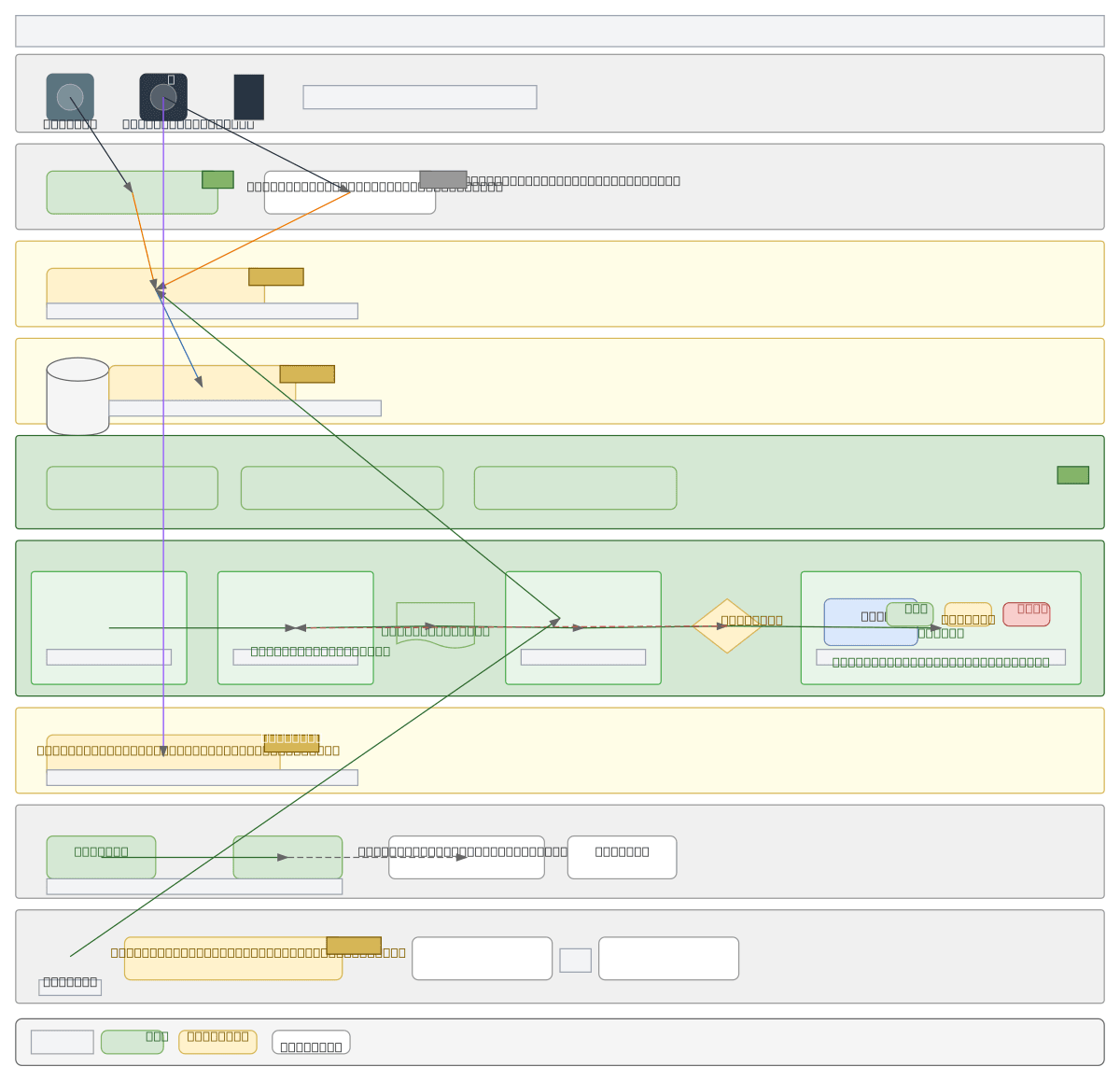
FlyHigh Sinergi - Technology Architecture Target — GENERAL cicd diagram

About This Architecture

FlyHigh Sinergi's technology architecture target spans nine integrated layers, from client browsers through a newly implemented CI/CD pipeline powered by GitHub Actions and Docker. The architecture routes code from GitHub through automated build, test, and approval stages before deploying to Hostinger across dev, staging, and production environments, with Supabase Pro handling primary database operations. This modernized stack introduces formal security controls via RBAC, centralized storage through Google Workspace, and upgraded hosting infrastructure to support 99.9% SLA requirements. Teams can fork this diagram on Diagrams.so to customize deployment targets, add additional pipeline stages, or adapt the layer structure for their own multi-product platforms. The architecture demonstrates best practices for separating concerns across client, product, hosting, database, security, CI/CD, storage, tooling, and developer workstation layers.

People also ask

How do I set up an automated CI/CD pipeline with GitHub Actions, Docker, and multi-environment deployment to Hostinger?

FlyHigh Sinergi's architecture demonstrates a complete CI/CD workflow: code commits to GitHub trigger GitHub Actions builds, Docker Compose tests containerized artifacts, manual approval gates control promotion, and Hostinger receives automated deployments across dev, staging, and production. This pattern ensures code quality, controlled releases, and infrastructure consistency while supporting bo

CI/CDGitHub ActionsDockerDevOpsHostingerdeployment pipeline
Domain:
Devops Cicd
Audience:
DevOps engineers and full-stack developers implementing CI/CD pipelines for WordPress and React/Next.js applications

Generated by Diagrams.so — AI architecture diagram generator with native Draw.io output. Fork this diagram, remix it, or download as .drawio, PNG, or SVG.

Generate your own cicddiagram →

About This Architecture

FlyHigh Sinergi's technology architecture target spans nine integrated layers, from client browsers through a newly implemented CI/CD pipeline powered by GitHub Actions and Docker. The architecture routes code from GitHub through automated build, test, and approval stages before deploying to Hostinger across dev, staging, and production environments, with Supabase Pro handling primary database operations. This modernized stack introduces formal security controls via RBAC, centralized storage through Google Workspace, and upgraded hosting infrastructure to support 99.9% SLA requirements. Teams can fork this diagram on Diagrams.so to customize deployment targets, add additional pipeline stages, or adapt the layer structure for their own multi-product platforms. The architecture demonstrates best practices for separating concerns across client, product, hosting, database, security, CI/CD, storage, tooling, and developer workstation layers.

People also ask

How do I set up an automated CI/CD pipeline with GitHub Actions, Docker, and multi-environment deployment to Hostinger?

FlyHigh Sinergi's architecture demonstrates a complete CI/CD workflow: code commits to GitHub trigger GitHub Actions builds, Docker Compose tests containerized artifacts, manual approval gates control promotion, and Hostinger receives automated deployments across dev, staging, and production. This pattern ensures code quality, controlled releases, and infrastructure consistency while supporting bo

FlyHigh Sinergi - Technology Architecture Target

AutointermediateCI/CDGitHub ActionsDockerDevOpsHostingerdeployment pipeline
Domain: Devops CicdAudience: DevOps engineers and full-stack developers implementing CI/CD pipelines for WordPress and React/Next.js applications
0 views0 favoritesPublic

Created by

June 8, 2026

Updated

June 8, 2026 at 9:06 AM

Type

cicd

Need a custom architecture diagram?

Describe your architecture in plain English and get a production-ready Draw.io diagram in seconds. Works for AWS, Azure, GCP, Kubernetes, and more.

Generate with AI