Enterprise Three-Zone Network Architecture
About This Architecture
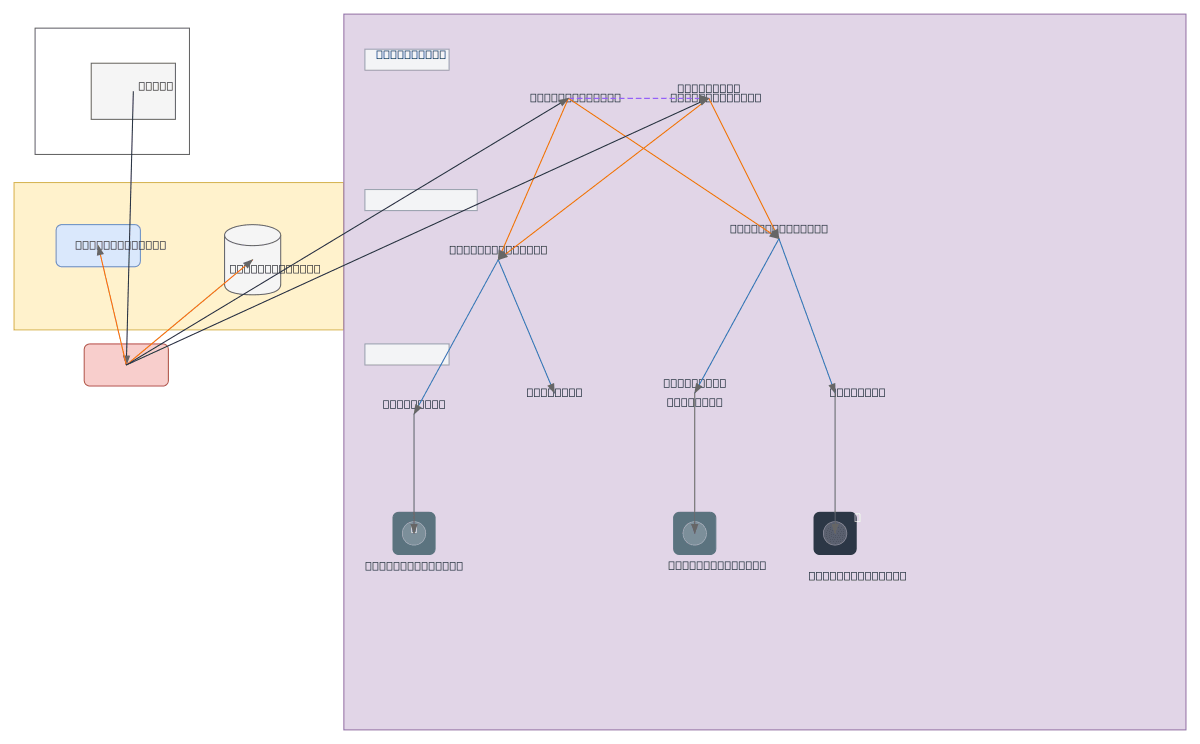
Enterprise three-zone network architecture with Palo Alto firewall enforcing perimeter security between untrusted internet, DMZ servers, and trusted office LAN. Traffic flows from ISP through the firewall to segregated VLAN zones: Web Server VLAN 20 and Database Server VLAN 20 in the DMZ, User PCs in VLAN 30, and Wireless APs in VLAN 40. Redundant H3C S6520 core switches provide high availability, feeding dual L3 aggregation switches that distribute to four L2 access switches across the access layer. This architecture demonstrates defense-in-depth with firewall perimeter control, VLAN-based micro-segmentation, and switch redundancy for fault tolerance and load balancing. Fork and customize this diagram on Diagrams.so to match your organization's topology, add additional VLANs, or integrate with OCI cloud resources. The dual-core design eliminates single points of failure while the three-zone model (untrust, DMZ, trust) aligns with zero-trust security principles.
People also ask
How do you design a secure enterprise network with firewall perimeter control, VLAN segmentation, and redundant switching?
This diagram shows a three-zone architecture where a Palo Alto firewall enforces security between the untrusted internet, DMZ (Web/Database servers in VLAN 20), and trusted office LAN (user PCs in VLAN 30, WiFi in VLAN 40). Redundant H3C S6520 core switches provide high availability, feeding L3 aggregation and L2 access layers for fault tolerance and scalability.
- Domain:
- Networking
- Audience:
- Network architects designing enterprise three-tier LAN infrastructures with DMZ segmentation
Generated by Diagrams.so — AI architecture diagram generator with native Draw.io output. Fork this diagram, remix it, or download as .drawio, PNG, or SVG.
